Formula One is on the verge of cancelling its April races in Bahrain and Saudi Arabia as an escalating US-Israeli-Iran conflict renders both host cities unsafe for travel and competition. An official announcement is expected within 48 hours, shrinking the 2026 season from 24 to 22 races with no replacement events planned.
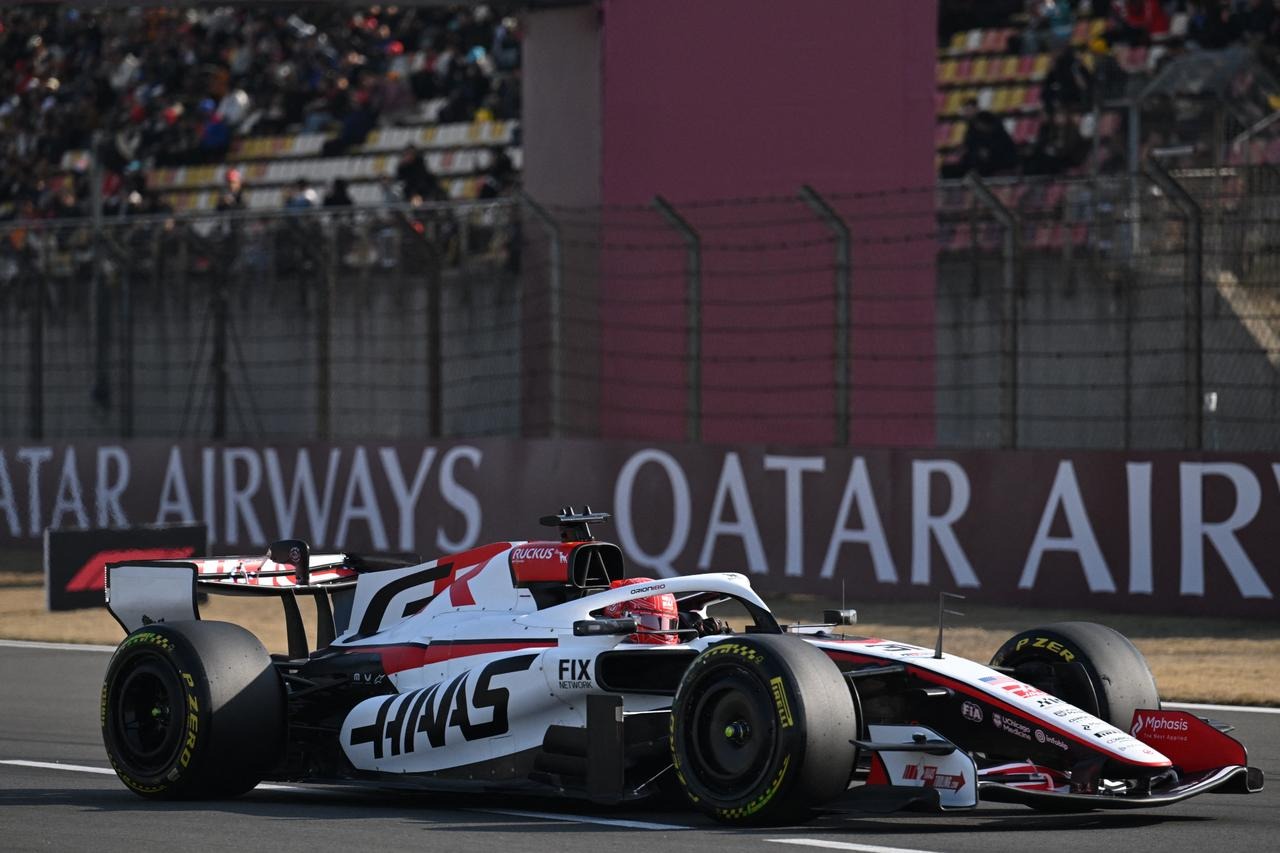
The 2026 Formula One season is facing its most significant disruption since the COVID-19 pandemic, and the decision may come before the weekend is out. Formula 1's Grands Prix in Bahrain and Saudi Arabia in April are set to be called off due to the conflict in the Middle East, reducing the 2026 season to 22 races. With F1 currently racing at the Chinese Grand Prix in Shanghai, the paddock is gripped not just by championship battles on track but by an urgent geopolitical crisis unfolding thousands of miles away.
How The Crisis Unfolded
The conflict began on February 28 with the US killing of Iran's Supreme Leader Ayatollah Ali Khamenei, since which there has been no let-up in the hostilities, nor any semblance of a clear plan on how long the conflict could last.
Iranian drones and missiles have hit several Middle Eastern capitals including Bahrain's Manama — the city where the majority of Formula One team personnel would be staying during the race weekend. All flight operations at Bahrain International Airport are currently suspended, while Saudi airports in Jeddah and Riyadh are largely running as normal — though the logistical and safety picture remains deeply uncertain.
The Freight Deadline That Is Forcing F1's Hand
Following talks at last weekend's Australian Grand Prix, F1 had set itself a 10-day deadline to make a final call on the fate of the April races — a timeline largely dictated by freight logistics to the Gulf, as the two Arabian races are twinned to optimise F1's complicated international freight operations, making it difficult to pull off one but not the other.
Once cancellation is confirmed, teams' freight — some of which never left Bahrain after pre-season testing — will be redirected to the United States for the Miami Grand Prix, with organisers also weighing whether cargo should be transported directly to Florida or stored in climate-controlled facilities during the extended interim period.
What The Sport Stands To Lose — And What Happens Next
The two Middle Eastern races pay hosting fees well north of 100 million euros combined, meaning the cancellations will inevitably represent a significant financial blow to Formula One's commercial operation.
Should the races be removed without substitutes, the calendar would see a sizeable gap in April — with the Japanese Grand Prix on March 29 followed by no race until the Miami Grand Prix on May 3, creating a pause of roughly five weeks between events. Speculation about potential substitute races at Imola, Portugal, or the possibility of holding two rounds in Japan appears unlikely to materialise.
The regional instability has already claimed other motorsport casualties — the World Endurance Championship postponed its season-opening Qatar round, now moved to October 24, while MotoGP's Qatar race on April 12 is also considered likely to be cancelled.
The 2026 Season Disruption: Critical Details
Bahrain was scheduled for April 10–12 as round four; Saudi Arabia for April 17–19 as round five of the 2026 championship
F1's contractual television obligations require a minimum of 22 races per season — the revised calendar would still meet that threshold even without both events
Lewis Hamilton expressed confidence in F1 CEO Stefano Domenicali, stating he trusts Domenicali will do what is right for all involved
With the unexpected month-long gap, teams are expected to return to European factories to analyse data and accelerate R&D work on their 2026 cars
F1 CEO Domenicali noted that over 3,000 people are required to move around the world for each Grand Prix weekend, describing the logistical challenge as a "big beast"
Qatar and Abu Dhabi's end-of-season races are also under monitoring, though no decisions have yet been made regarding those November rounds
Safety Above The Stopwatch
Mercedes team principal Toto Wolff captured the mood of the paddock plainly, saying that Formula 1 becomes the second priority — with the safety and health of everybody involved coming first. In a sport defined by split-second decisions, the most important call of the 2026 season may have nothing to do with racing at all.
Sources: Sky Sports F1, NBC News, Al Jazeera, Motorsport.com, Yahoo Sports, Gulf News, India TV News, News.GP, Türkiye Today