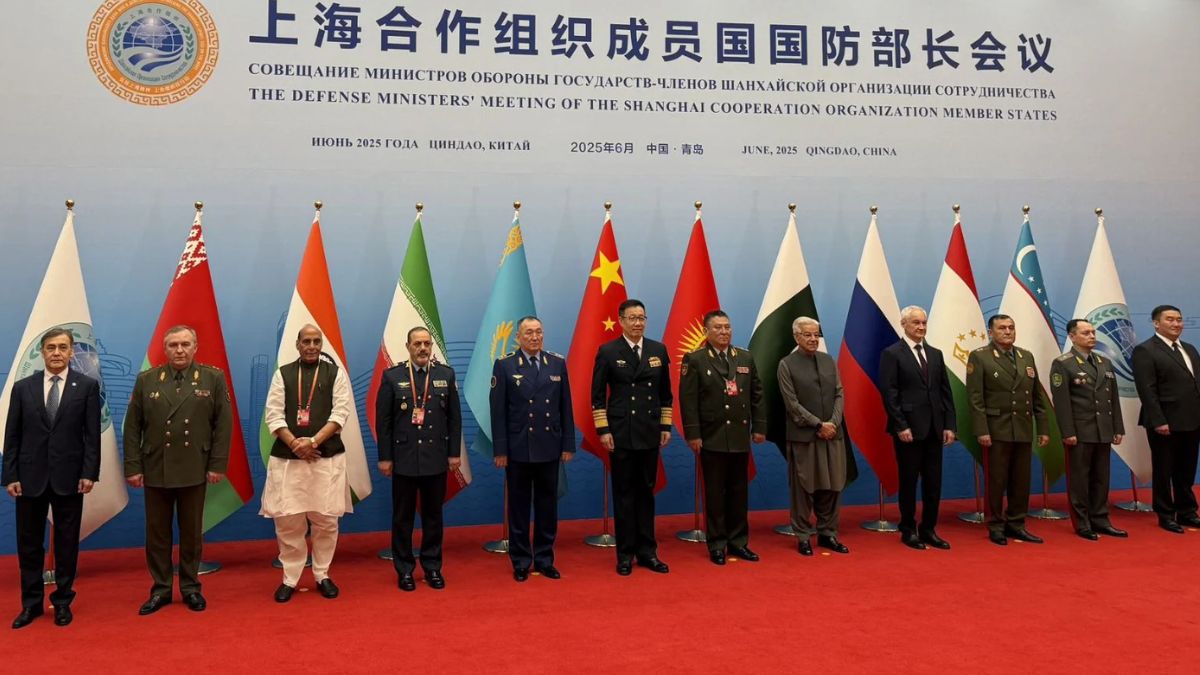
Tianjin, China — In a bold and forward-looking address at the 25th Shanghai Cooperation Organisation (SCO) Summit, Indian Prime Minister Narendra Modi reframed global economic headwinds as a catalyst for reform and opportunity. Speaking in the presence of leaders including Chinese President Xi Jinping and Russian President Vladimir Putin, Modi declared that India is committed to transforming every challenge—including the recent 50% tariffs imposed by the United States—into a stepping stone for growth, resilience, and regional cooperation.
The SCO Summit, held in the northern Chinese port city of Tianjin, comes at a critical juncture for India. The U.S. tariffs, which include a 25% penalty on Indian imports of Russian crude oil, have added pressure to New Delhi’s trade and energy strategies. Yet Modi’s speech struck a defiant and optimistic tone, emphasizing India’s mantra of “reform, perform, and transform” as the foundation for its global engagement.
“Whether it is the Covid-19 pandemic or global economic instability, we have tried to turn every challenge into an opportunity,” Modi said. “This is leading to development and is simultaneously opening new opportunities for international cooperation”.
SCO as a Strategic Platform
Modi’s remarks positioned the SCO not merely as a regional bloc, but as a strategic platform for India to assert its vision for inclusive multilateralism. He outlined India’s approach based on three pillars: security, connectivity, and opportunity—a framework he believes can foster peace, progress, and partnership across Eurasia.
India’s emphasis on connectivity was particularly pointed. Modi indirectly criticized China’s Belt and Road Initiative (BRI), noting that “connectivity should always respect sovereignty and territorial integrity.” This was a clear reference to BRI routes passing through Pakistan-occupied Kashmir, a long-standing point of contention between India and China.
Instead, Modi highlighted India’s own initiatives such as the Chabahar Port and the International North-South Transport Corridor, which aim to enhance trade routes with Central Asia and Afghanistan while respecting national boundaries.
A Call for Reform and Global Equity
Beyond regional cooperation, Modi used the SCO platform to advocate for reform in global institutions. He argued that the aspirations of the Global South should not be confined within outdated frameworks, calling for a more inclusive world order.
“SCO members can increase cooperation for reforms in global institutions; we can unanimously call for UN reform,” Modi said during the plenary session.
This call for reform comes amid growing frustration among emerging economies over the dominance of Western-led institutions and the lack of representation for developing nations in global decision-making.
Tariffs and Tensions: India’s Diplomatic Balancing Act
The backdrop to Modi’s speech was the escalating trade tension between India and the United States. The 50% tariffs, which took effect earlier this month, are widely seen as a response to India’s continued purchase of Russian oil and its neutral stance on the Ukraine conflict. While the U.S. has framed the tariffs as a strategic move to pressure India, Modi’s speech suggests that New Delhi is doubling down on its independent foreign policy.
India has also expressed concern over recent U.S.-Israel strikes on Iran, which have contributed to a humanitarian crisis in Gaza. At the SCO Summit, India joined other member states in condemning the attacks and calling for restraint.
Bilateral Diplomacy in Motion
On the sidelines of the summit, Modi held a bilateral meeting with Russian President Vladimir Putin. The two leaders reportedly discussed energy cooperation, defense ties, and regional stability. Modi tweeted about the meeting, saying, “Conversations with President Putin are always insightful”.
India’s balancing act—maintaining strategic autonomy while navigating complex global alliances—is increasingly being tested. Yet Modi’s SCO address suggests that India is not retreating but recalibrating, using multilateral platforms to assert its interests and values.
Looking Ahead
As Kyrgyzstan takes over the SCO presidency for 2025–2026, India’s role within the organization is expected to grow. With mounting global challenges—from climate change to geopolitical fragmentation—India’s emphasis on reform, connectivity, and inclusive growth may resonate beyond the SCO and shape broader international discourse.
Modi’s message was clear: India will not be defined by external pressures. Instead, it will define its own path—one that turns adversity into advantage.
Sources: The Hindu BusinessLine, Outlook India, Times of India