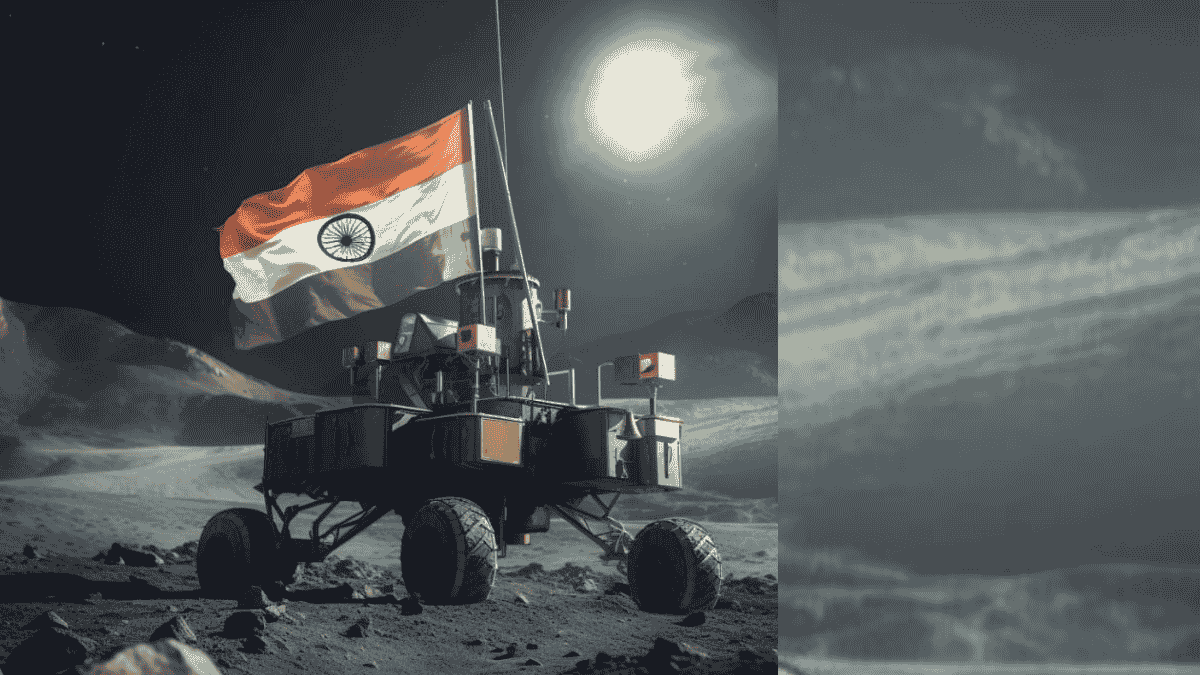





India's Chandrayaan-3 mission has made historic findings, proposing that water-ice on the Moon could be more prevalent than initially believed. The mission's findings suggest that ice might be present outside the polar regions, especially in high-latitude regions with slopes away from the Sun. Such areas might serve as cold traps, trapping water-ice under the surface. The Chandra's Surface Thermophysical Experiment (ChaSTE) instrument captured large temperature gradients, indicating a non-conducting layer on the surface of the Moon. This could be important for future lunar missions as available ice might be a crucial resource for long-term exploration and settlement. The discovery indicates India's central role in lunar exploration and lays the ground for future missions such as Chandrayaan-4.
Source: Financial Express, Indian Express, India Today.