




Loading market data...
ADVERTISEMENT

Latest Top News

Mumbai Metro Outshines Global Transit Giants: Lauded for Efficiency & Comfort
The Mumbai Metro system has been praised for outperforming major global transit networks, with industrialist Harsh Goenka calling it “better than Paris, London, and New York.” The newly expanded network, including Metro Line 3 (Aqua Line), is transforming urban mobility, offering speed, comfort, and reliability that rivals international benchmarks.
Stay Ahead – Explore Now! Powering Growth: Kay Cee Energy Bags Rs 171.5 Mln Infrastructure Deal
ADVERTISEMENT

Latest Updates

Coast Guard Recovers Beacon From Sunk Ship
25 Aug 2026, 08:04 PM
Sadbhav Engineering Finalizes Debt Restructuring
25 Aug 2026, 08:01 PM
Wockhardt Faces Customs Penalty and Redemption Fin...
25 Aug 2026, 07:59 PM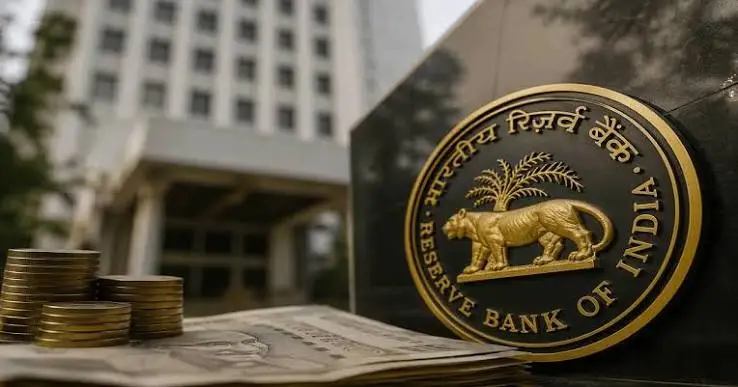
RBI Issues Rural Co-Operative Bank CRR and SLR Rul...
25 Aug 2026, 07:55 PM
WOW STORY OF THE DAY: She Saw a Gap in Fun Guilt-F...
25 Aug 2026, 08:23 PMADVERTISEMENT

Top Stories
Coast Guard Recovers Beacon From Sunk Ship
25 Aug 2026, 08:04 PM
Sadbhav Engineering Finalizes Debt Restructuring
25 Aug 2026, 08:01 PM
Wockhardt Faces Customs Penalty and Redemption Fin...
25 Aug 2026, 07:59 PM