







Follow WOWNEWS 24x7 on:


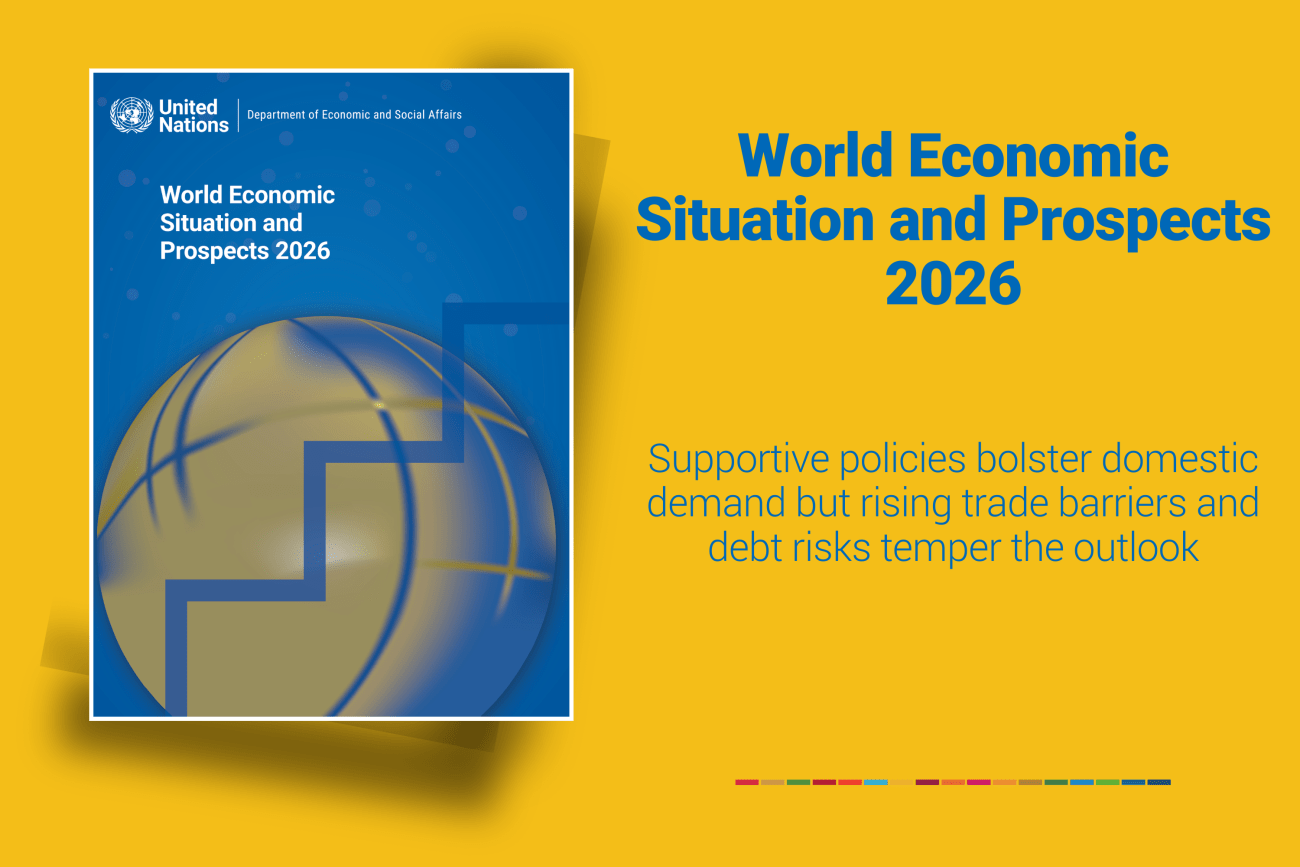
Despite global economic slowdown, South Asia is projected to grow by 5.6% in 2026 and 5.9% in 2027, according to the United Nations’ World Economic Situation and Prospects (WESP) 2026. Strong domestic demand, supportive policies, and resilience in key economies provide silver linings amid trade tensions and debt challenges.
Show moreStay Ahead – Explore Now! India Confirms LNG Cargoes To Ensure Energy Stability Amid Middle East Crisis



Updated: March 12, 2026 20:29

Updated: March 11, 2026 17:41

Updated: March 10, 2026 18:56












Follow WOWNEWS 24x7 on:





Copyright 2024 WOWNEWS 24x7. All rights reserved. The WOWNEWS 24x7 is not responsible for the content of external sites. Read about our approach to external linking.
Powered By Just Imagine
