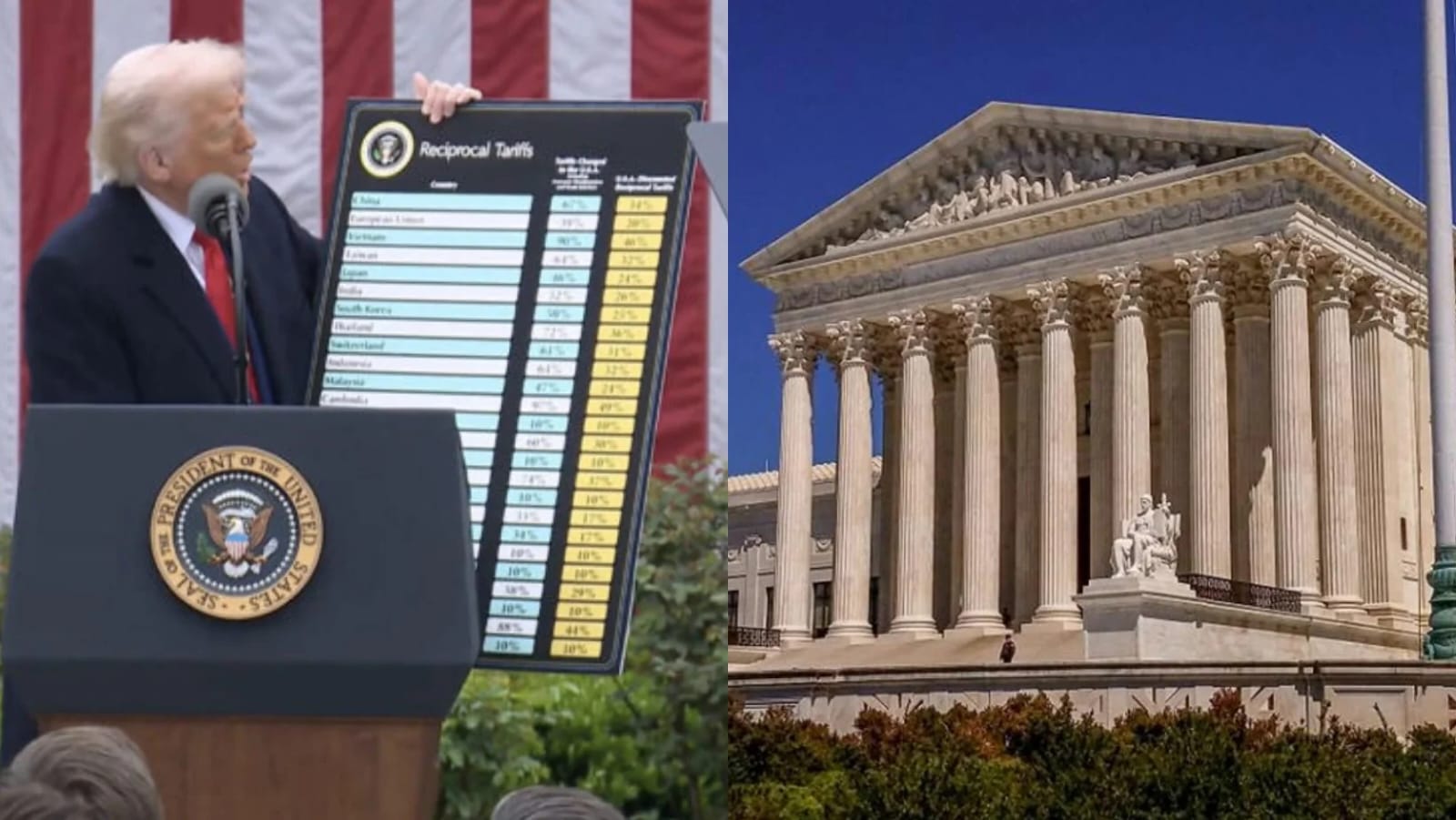





Thousands of U.S. businesses secured a landmark victory as the Supreme Court struck down emergency tariffs imposed under Donald Trump’s administration. While the ruling opens the door to billions in refunds, the process is expected to be lengthy, complex, and fraught with administrative hurdles.
In a pivotal decision, the U.S. Supreme Court ruled that President Donald Trump exceeded his authority by using the 1977 International Emergency Economic Powers Act to impose sweeping tariffs on imports. This judgment marks a significant win for businesses that have long argued the duties were unlawful and economically damaging. However, despite the celebratory tone across industries, the path to reclaiming billions in tariff payments remains uncertain.
Key Highlights
-
Businesses across sectors, from manufacturing to retail, are preparing refund claims worth billions, but the Supreme Court ruling offered no clear guidance on timelines or procedures.
-
Importers had already paid billions in bonds and collateral to U.S. Customs and Border Protection, complicating the refund process further.
-
Legal experts caution that the refund mechanism could become a “mess,” as noted in Justice Brett Kavanaugh’s dissent, highlighting the lack of clarity in the ruling.
-
Major corporations are expected to lead refund lawsuits, but smaller businesses may face greater challenges navigating the complex claims system.
-
Economists suggest that while refunds could eventually ease financial strain on companies, consumers may not see immediate price reductions, as supply chains and market dynamics take time to adjust.
-
The ruling is likely to reshape trade policy debates, with implications for future administrations on how emergency powers can be applied in economic contexts.
The decision represents both relief and frustration: relief that the tariffs have been deemed unlawful, but frustration that businesses must now endure a protracted refund battle. Analysts believe the outcome could ripple across global trade, influencing negotiations and reshaping U.S. import strategies for years to come.
Sources: Reuters, Yahoo Finance, CNBC