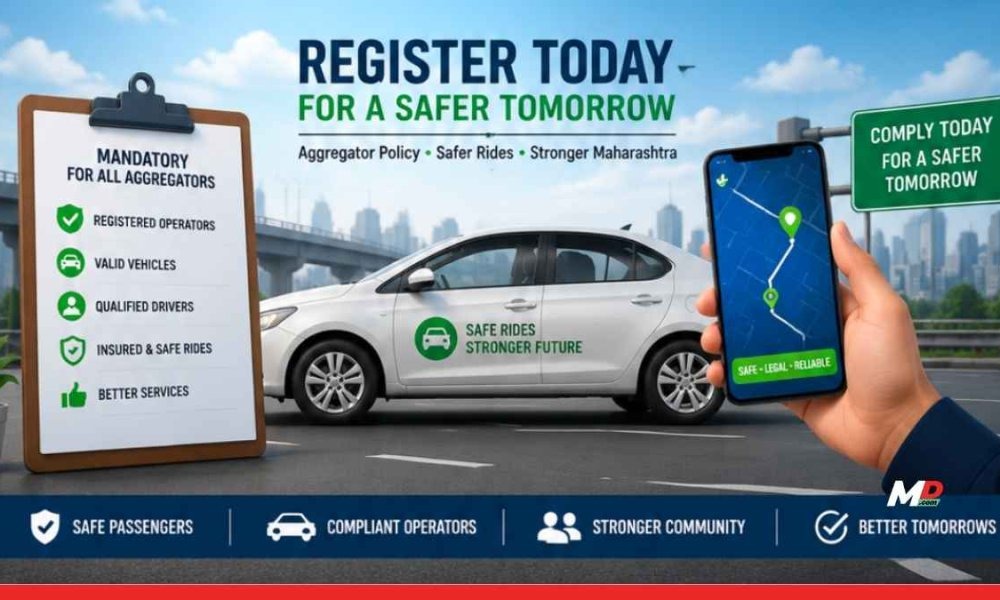
The Maharashtra government has mandated all app-based passenger transport aggregators, including Ola, Uber, and Rapido, to complete registration under the state's Aggregator Policy 2026 by September 1. Transport Minister Pratap Sarnaik warned that platforms operating without valid licenses or commercial vehicle registrations after the deadline will face strict legal action.
MUMBAI, Maharashtra — The Maharashtra government has issued a strict directive ordering all app-based mobility aggregators to obtain operational licenses under the state’s newly notified Maharashtra Motor Vehicle Aggregator Rules by September 1, 2026. State Transport Minister Pratap Sarnaik announced on July 30 that digital ride-hailing companies operating without valid registration after the deadline will face suspension of services and enforcement action.
The regulatory mandate applies to major ride-hailing and bike-taxi platforms including Ola, Uber, and Rapido and aims to standardize passenger safety, driver background verification, vehicle commercial licensing, and fare structures across urban centers like Mumbai, Pune, Nagpur, and Nashik.
Regulatory Compliance Framework and Vehicle Mandates
Under the Motor Vehicle Aggregator Rules, all transport aggregators must apply for three-year operational licenses issued by the State Transport Authority. The policy prohibits private vehicles from engaging in commercial passenger transport without valid commercial permits and aggregator authorization.
Key provisions outlined under the regulatory framework include:
Commercial Registration: All cabs, auto-rickshaws, and two-wheelers operating on ride-hailing apps must be legally registered as commercial vehicles with valid transport permits.
Passenger Safety Mandates: Mandatory integration of in-journey safety tracking, 24/7 customer support centers, and emergency response mechanisms within aggregator applications.
Driver Standards & Payouts: Implementation of mandatory five-day driver induction training, driver identification badges, and a requirement ensuring drivers receive at least 80% of the total fare.
Comprehensive Insurance: Obligatory insurance coverage for drivers and passengers for all trips routed through app platforms.
Industry Response and Fleet Registration Caps
The Transport Department noted that while ride-hailing firms have accepted most service provisions, negotiations continue regarding caps placed on fleet vehicle attachments. Transport officials confirmed that barring new entrant Bharat Taxi, major aggregators were operating on provisional approvals and had yet to submit finalized license applications.
Minister Sarnaik emphasized that the state would not grant deadline extensions, urging aggregator platforms to complete technical integration and documentation well ahead of the September 1 cutoff.
Impact on Commuters, Drivers, and Mobility Companies
The enforcement of the September 1 deadline carries immediate operational implications across Maharashtra's urban mobility sector:
For Commuters: Enhances trip safety through verified commercial drivers, integrated app tracking, and structured grievance redressal mechanisms, alongside penalties for driver-initiated ride cancellations to critical locations.
For Platform Drivers: Protects earnings by capping aggregator commission fees to guarantee drivers receive at least 80% of trip fares.
For Mobility Companies: Forces app operators to transition from provisional frameworks to formal multi-year regulatory licensing while restructuring fleet onboarding processes to align with state commercial permit laws.
Official Sources Section
Regulatory details and statements cited in this news report were verified through official disclosures from:
Quote Section
"Technology-driven services should certainly benefit citizens, but no one will be allowed to bypass the law in the name of convenience or compromise passenger safety," stated Transport Minister Pratap Sarnaik. "The warning is clear. Cab aggregators must comply with all regulations and apply for a licence by September 1. Failure to do so will result in strict legal action and suspension of operations."
Why It Matters
Formal licensing under the Aggregator Policy 2026 establishes legal accountability for digital mobility platforms operating in Maharashtra. By mandating commercial permits, transparent driver commission splits, and passenger insurance, the government seeks to balance commuter safety and fair driver compensation with digital ride-hailing growth.
Key Facts at a Glance
Registration Deadline: September 1, 2026.
Target Entities: All app-based passenger transport aggregators (including Ola, Uber, and Rapido).
Key Enforcement Rules: Mandatory commercial vehicle permits, 80% minimum driver fare share, and comprehensive passenger insurance.
Regulatory Authority: Transport Department, Government of Maharashtra.
Frequently Asked Questions (FAQs)
What is the deadline set by Maharashtra for cab aggregator registration?
The Maharashtra government has mandated that all app-based passenger transport aggregators complete their registration and obtain operational licenses by September 1, 2026.
Can private vehicles operate on ride-hailing apps under the new policy?
No. The policy explicitly prohibits private vehicles from engaging in commercial passenger transport, requiring all bikes, cabs, and auto-rickshaws to hold valid commercial permits and registrations.
What happens if an aggregator firm fails to register by September 1?
Aggregator firms that fail to secure a license by the deadline will be barred from operating in Maharashtra and face enforcement action under state motor vehicle laws.
Sources: Transport Department Government of Maharashtra, Office of the Transport Minister Maharashtra.