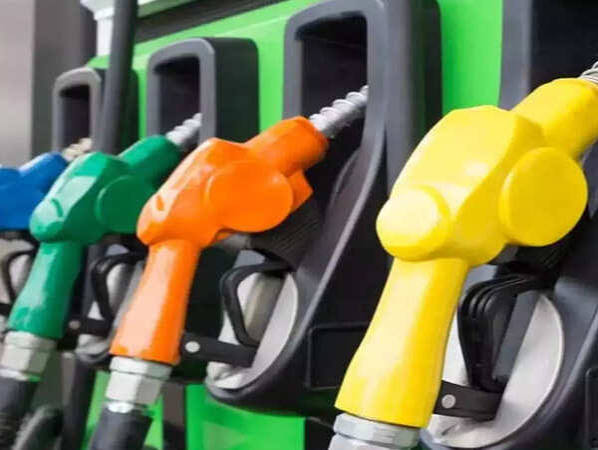
India's fuel consumption data for August revealed rising demand for petrol (up 7.88%) and diesel (up 6.46%) driven by mobility and monsoon irrigation needs. Conversely, LPG consumption dropped 16.15% as supply adjustments and a structural shift toward piped natural gas reduced cooking gas demand.
NEW DELHI — India’s domestic fuel consumption patterns in August exhibited a stark divergence, as robust economic mobility and agricultural demand pushed petrol and diesel sales higher, even as liquefied petroleum gas (LPG) consumption plummeted.
Provisional data released by the Petroleum Planning and Analysis Cell (PPAC) showed that petrol consumption increased by 7.88% year-on-year to reach 3.82 million tonnes in August. Simultaneously, diesel consumption grew by 6.46% to 7.0 million tonnes, supported by elevated freight movement and heavy reliance on irrigation pumps. In sharp contrast, LPG demand experienced a steep decline of 16.15%, dropping to 2.42 million tonnes compared to 2.89 million tonnes in the corresponding month last year.
Monsoon Irrigation and Transport Mobility Spur Diesel and Petrol
The steady expansion in petrol and diesel volumes reflects continued broad-based economic momentum across urban and rural sectors. Petrol demand was heavily propelled by rising sales of passenger cars and two-wheelers across tier-1, tier-2, and rural markets.
Meanwhile, the surge in diesel consumption was largely dictated by weather patterns. Below-normal and erratic monsoon conditions across several agricultural belts forced farmers to rely extensively on diesel-powered pump sets for irrigation. This agricultural demand, combined with steady national freight and passenger transport requirements, kept diesel burning at elevated levels despite slight sequential moderation compared to July.
According to official data releases from the PPAC and market reports:
Petrol Growth: Rose 7.88% year-on-year to 3.82 million tonnes.
Diesel Expansion: Increased 6.46% year-on-year to 7.0 million tonnes, backed by farm irrigation needs.
LPG Slump: Contracted 16.15% year-on-year to 2.42 million tonnes.
Aviation Turbine Fuel (ATF): Registered a modest 1.4% marginal increase, totaling 720,000 tonnes.
Supply Shifts and Pipeline Adoption Weigh on LPG
The steep contraction in LPG consumption stems from structural shifts and supply chain adjustments. Ongoing geopolitical realignments and Middle Eastern transit bottlenecks have impacted traditional import routes, prompting a national push toward alternative energy sources.
To navigate import pressures and secure domestic cooking fuel availability, the government and city gas distributors actively encouraged residential and commercial consumers to migrate toward piped natural gas (PNG). This structural migration, alongside earlier curbs on bulk commercial cylinders during supply tightness, accounts for the enduring year-on-year drop in bottled LPG demand.
Official Sources Section
Petroleum Planning and Analysis Cell (PPAC): Official monthly consumption statistics, product-wise sales volumes, and energy tracking reports.
Ministry of Petroleum and Natural Gas, Government of India: Upstream policy frameworks, supply management disclosures, and energy transition notices.
Quote Section
"According to official provisional data released by the Petroleum Planning and Analysis Cell, transport fuels maintained strong upward trajectories on the back of rising mobility and agricultural demand, while cooking gas volumes adjusted lower amid a steady shift toward piped natural gas networks."
Why It Matters
For macroeconomic planners, logistics providers, and energy investors, retail fuel trends serve as a reliable real-time barometer of domestic economic activity. While higher transport fuel consumption validates resilient industrial and consumer demand, the structural decline in bottled LPG highlights the successful expansion of city gas distribution infrastructure across urban centers.
Key Facts at a Glance
Reporting Period: August 2026.
Data Authority: Petroleum Planning and Analysis Cell (PPAC).
Petrol Volume: 3.82 million tonnes.
Diesel Volume: 7.0 million tonnes.
LPG Volume: 2.42 million tonnes.
FAQ Section
How much did petrol and diesel consumption grow in August?
Petrol consumption rose by 7.88% year-on-year to 3.82 million tonnes, while diesel grew by 6.46% to 7.0 million tonnes.
What caused the sharp increase in diesel demand during the month?
Diesel demand was driven by freight transport requirements and heightened use of diesel-powered irrigation equipment amid erratic monsoon conditions.
Why did LPG consumption decline so steeply in August?
LPG consumption fell 16.15% due to import constraints and an accelerating consumer shift toward piped natural gas (PNG).
Where can citizens review official petroleum consumption reports?
Detailed monthly data sets are published directly through the Petroleum Planning and Analysis Cell Portal.
Source: Petroleum Planning and Analysis Cell, Ministry of Petroleum and Natural Gas, The Hindu Business Desk, Business Standard