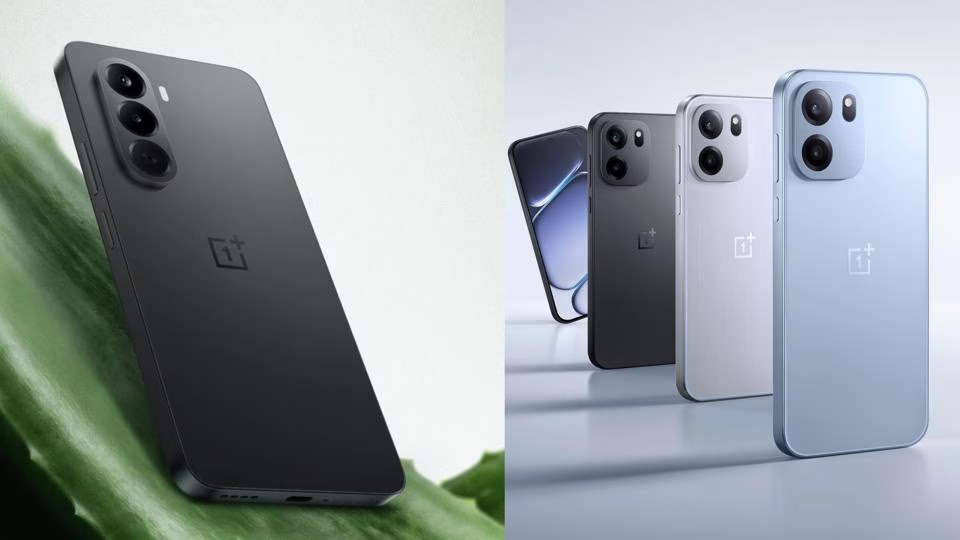
A new report indicates a complete OnePlus India exit is planned by 2027 as parent company Oppo launches a global restructuring. Driven by rising component costs and intense legal friction, OnePlus will pivot into a China-exclusive brand, while sibling brand Realme entirely retreats from China to target Northern Europe.
NEW DELHI — In a major development that could fundamentally reshape the smartphone landscape, a new report confirms that a complete OnePlus India exit is planned by 2027. According to details initially published by Bloomberg, citing a person familiar with the private strategic roadmap, the brand's parent entity Guangdong Oppo Mobile Telecommunications Corporation Ltd. is executing a top-to-bottom structural reorganization. While operations in the United States and Europe are expected to wind down imminently, the phased international retreat will expand globally, eventually concluding with a complete market exit from India over the next 18 months. Today's revelation points to growing commercial, logistical, and legal pressures facing Chinese handset ecosystems operating outside domestic channels.
Phased Withdrawal Triggers Global Consolidation
The strategic overhaul outlined by internal sources details a multi-phase corporate wind-down designed to consolidate Oppo's sprawling smartphone portfolio. The immediate phase focuses on Western markets, where OnePlus is reportedly scheduled to cease commercial product distributions as early as this week. The brand will transition into a strictly domestic, China-exclusive manufacturer over the long term.
However, the upcoming OnePlus India exit follows a longer timeline, giving the brand a temporary runway in one of its historically profitable strongholds outside mainland China.
In a parallel cross-border realignment, sibling sub-brand Realme is prepared to completely exit the Chinese domestic market. Instead, Oppo intends to position Realme exclusively across Northern Europe and the Nordic region, targeting countries like Finland, Denmark, Sweden, and Iceland, where the brand has maintained resilient sales metrics.
Meanwhile, the primary Oppo brand will absorb the remaining enterprise resources to focus its direct mid-range and premium smartphone strategies on Central Europe.
Surging RAM Component Costs and Market Friction
According to global supply chain datasets tracked by the International Data Corporation (IDC), broader smartphone industry adjustments have heavily penalized the business models of value-focused sub-brands. A severe ongoing global shortage and price squeeze on memory modules and high-speed random-access memory (RAM) chips have significantly driven up manufacturing overheads.
This cost increase has severely affected OnePlus's budget-friendly "Nord" series, a product line that directly anchored the brand's high-volume sales targets inside the Indian market.
Concurrently, geopolitical headwinds and regulatory friction have disrupted product launch cycles. The brand's latest flagship model, the OnePlus 15, encountered significant commercial delays in North America after facing extended regulatory certification issues.
Compounding these manufacturing and administrative hurdles is an active, high-stakes trade-secrets lawsuit filed by Apple Inc., adding substantial legal costs to the brand's Western operations.
Impact on Consumers, Retailers, and Android Fans
The impending exit carries severe implications for millions of Indian mobile consumers, third-party distribution networks, and the wider Android enthusiast community. For tech consumers, the departure of the original "Flagship Killer" brand removes a key competitive alternative that historically forced market leaders like Apple and Samsung to justify premium tier pricing.
Large-scale electronic retailers and localized distributors will face immediate inventory realignments as high-volume stock lines are phased out.
Existing device owners will track this development with caution, as a complete brand relocation back to China raises immediate questions regarding long-term software support, operating system rollouts, and the availability of genuine spare parts across domestic service stations.
Official Sources Section
The corporate restructuring timelines, brand migrations, and manufacturing cost profiles analyzed in this report are assembled from data tracks compiled by Bloomberg, handset shipment metrics monitored by the International Data Corporation (IDC), and recent regional leadership tracking notices processed via the Ministry of Corporate Affairs following the departure of key regional executives.
Quote Section
"According to officials close to the parent organization's international planning committees, the consolidation of three overlapping sub-brands into targeted regional markets is an absolute necessity to defend operating margins against surging component costs and aggressive global litigation."
Why It Matters
The planned OnePlus India exit represents the end of an era for the global smartphone landscape. During its early years, OnePlus built a passionate international following by delivering near-flagship performance and clean software architectures at a fraction of standard premium costs.
However, the current transition proves that the modern smartphone economy has become intensely hostile toward secondary tier players. With chip inflation eating away margins on affordable devices, smaller independent ecosystems are being forced to retreat into protected domestic strongholds, leaving the global premium smartphone market increasingly consolidated under a rigid corporate duopoly.
Key Facts at a Glance
Phased Exit Timeline: OnePlus is scheduled to cease US and European operations immediately, with a final India market exit planned for 2027.
Domestic Retreat: The organizational changes will transform OnePlus into a strictly domestic, China-exclusive brand.
Realme Realignment: Sibling brand Realme will pull out of the Chinese domestic market to concentrate operations on the Nordic region.
Supply Chain Trigger: A sharp increase in memory component and RAM costs eroded the profit margins of the value-oriented Nord series.
Legal and Regulatory Headwinds: The global retreat follows active trade-secret litigation from Apple Inc. and regulatory certification friction in Western markets.
FAQ Section
Why is Oppo initiating a complete OnePlus India exit by 2027?
Oppo is executing the global retreat due to severe financial pressures across its smartphone business, sluggish sales momentum outside China, rising memory component costs, and ongoing legal disputes with Apple.
What will happen to OnePlus's sibling brand, Realme?
Realme will completely withdraw from the highly competitive Chinese domestic market and reallocate its resources to focus on expanding sales in Northern Europe and the Nordic countries.
Will existing OnePlus devices in India continue to receive software updates?
While the brand is expected to maintain regular sales and support operations until its final exit in 2027, Oppo has not yet detailed its post-2027 service, warranty, and software patch infrastructure for international consumers.
Source: Strategic restructuring analysis published by Bloomberg, global device market data from the International Data Corporation (IDC), and corporate documentation filed with the Ministry of Corporate Affairs.