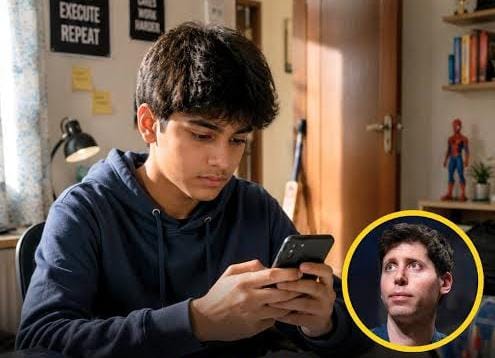
OpenAI released "ChatGPT for Teens" on August 18, 2026, featuring stronger default protections against self-harm, explicit content, and artificial emotional attachment for users aged 13 to 17. The update introduces guided study tools and optional parental controls, including scheduled "Quiet Hours" and emergency safety alerts.
SAN FRANCISCO — OpenAI launched "ChatGPT for Teens" on Tuesday, August 18, 2026, introducing a specialized experience designed for users aged 13 to 17. The San Francisco-based artificial intelligence company unveiled built-in safety guardrails alongside optional parental controls to address growing global concerns over youth mental health, classroom academic integrity, and digital safety.
The update automatically engages when an account is estimated or self-identified as belonging to a minor under 18, applying restricted content parameters across desktop and mobile versions.
Enhanced Safety Filters and Anti-Attachment Rules
Under the default configuration of ChatGPT for Teens, OpenAI has implemented strict filters prohibiting content related to self-harm, eating disorders, violence, and romantic or sexually explicit topics.
To prevent unhealthy emotional dependency on artificial intelligence, the updated system is programmed to refrain from claiming it has human consciousness, personal feelings, or emotional attachment toward users.
Study Mode and Guided Educational Features
The system alters how the chatbot assists with academic assignments. Rather than generating complete essays or immediate problem solutions, ChatGPT for Teens features an active "Study Mode". This mode provides step-by-step prompts, quizzes, and learning visualizations to guide students toward working out answers independently.
Additionally, the interface includes break reminders during extended usage sessions and notifications encouraging teens to review image uploads for sensitive personal information before sharing.
Optional Parental Controls and Account Linking
Parents and guardians can optionally link their accounts to a teenager's account via a mutual opt-in process. Linked parental accounts grant specific administrative oversight without exposing private conversation histories:
Quiet Hours: Schedules periods, such as bedtime or study hours, during which the chatbot cannot be accessed.
Safety Notifications: Automated alerts sent to parents in high-risk situations involving potential self-harm, violence, or eating disorders.
Unlinking Alerts: Parents are automatically notified if a linked teenager chooses to disconnect the account link.
Official Sources Section
Product architecture, safety features, and administrative settings according to official press announcements, technical documentation, and regulatory briefings published by OpenAI and the OpenAI Help Center.
Quote Section
"We want to treat teens like teens, which means that we have to make sure that we're showing up with the right developmental stage where we're not either talking down to them or treating them like kids, but we're also making sure that they're not exposed to material that they shouldn't be exposed to," said Ann O'Leary, representative at OpenAI.
Why It Matters
The release addresses regulatory pressure and lawsuits facing generative AI developers regarding youth safety and digital wellbeing. By enforcing default content filters and transforming direct answer generation into guided learning, the deployment attempts to balance educational utility with risk mitigation for young users entering an AI-integrated workforce.
Key Facts at a Glance
Target Demographics: Automatically applied to accounts identified for ages 13 through 17.
Safety Filters: Restricts content on self-harm, romantic chats, eating disorders, and explicit material.
Educational Tools: Features "Study Mode" to prompt guided problem-solving rather than providing direct answers.
Parental Controls: Enables scheduled "Quiet Hours" and high-risk safety alerts without revealing full chat histories.
Frequently Asked Questions
Can parents read their teenager's chat history?
No. Parental controls do not allow parents or guardians to read or monitor conversation histories. Parents receive notifications only in limited high-risk safety situations.
How does ChatGPT determine if a user is a teenager?
OpenAI uses age assurance technology to estimate user age based on query patterns and account registration details. Users who self-identify as minors are also automatically placed into the experience.
What happens when a teen user turns 18?
When an account reaches age 18, the user automatically transitions out of the teen experience. Teen protections and linked parental controls are removed, giving the user full account authority.
Source: Official safety documentation and product releases from OpenAI and the OpenAI Help Center.