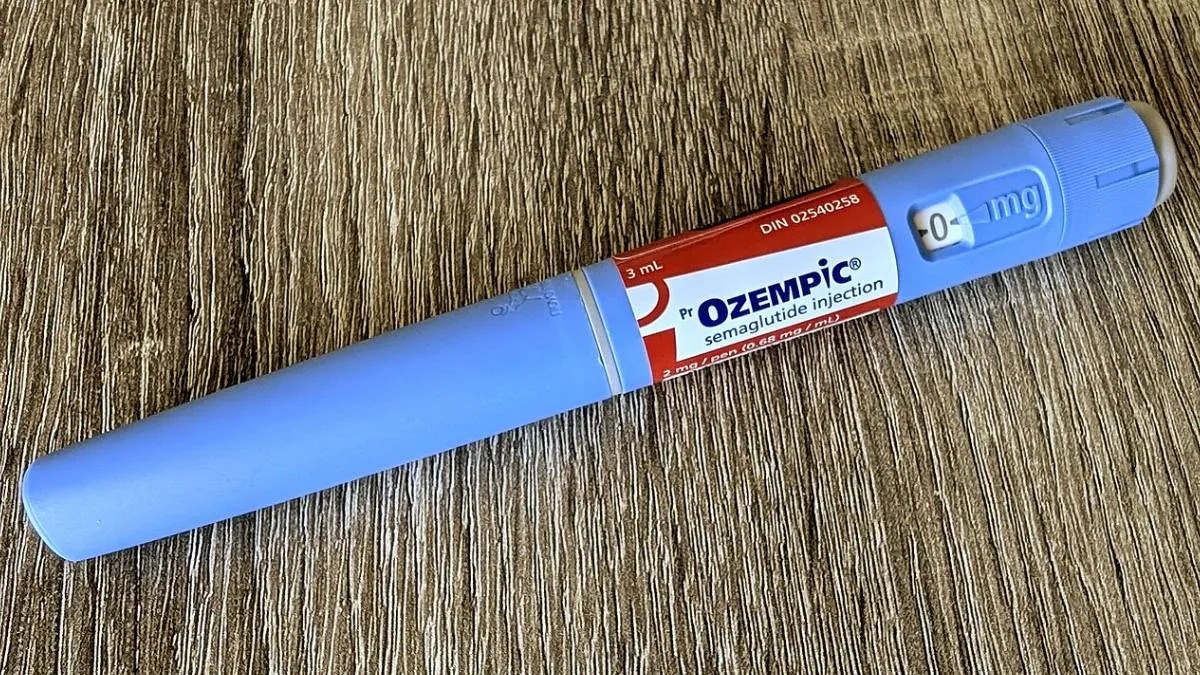
India’s vitamin and nutraceutical market has seen a sharp uptick in demand barely a month after generic semaglutide the “Ozempic-famed” diabetes and weight-loss drug entered the domestic market. Fresh data suggest the rise is closely linked to doctors prescribing multivitamins to GLP-1 users to counter potential micronutrient deficiencies.
According to Pharmarack data cited by the Times of India, vitamin supplement sales in India rose 11.6% in April to ₹871.85 crore versus ₹780.57 crore in March, while the broader vitamin–mineral–nutrition segment grew 10% over the same period. Analysts and clinicians attribute this surge to the arrival of generic semaglutide and growing awareness of side effects such as reduced appetite, lower food intake and associated nutrient gaps.
Semaglutide, GLP-1s And Nutrient Gaps
GLP-1 receptor agonists like semaglutide slow gastric emptying and curb appetite, leading many patients to eat less overall. International and Indian clinicians note that, over time, this can translate into lower intake of key micronutrients, particularly fat-soluble vitamins like A, D and E, prompting a rise in prescriptions and OTC purchases of multivitamin and mineral supplements.
Indian Market Response To “Desi Ozempic”
The launch of generic semaglutide in India is being framed as a turning point for obesity and diabetes care, opening a large new therapy segment that pharma companies expect to be a top-5 disease area by 2030. Pharmarack’s April numbers indicate that chemists and e-pharmacies are already seeing higher ticket sizes from GLP-1 users adding vitamin D, B12, multivitamin and protein supplements to their monthly baskets.
How Supplement Brands Are Positioning
Global trends suggest that supplement makers will increasingly tailor products and marketing to GLP-1 users, as seen in the US where chains like GNC and Vitamin Shoppe are curating “Ozempic-support” sections. In India, early signs point to more physician-detailing around GLP-1-adjacent nutraceuticals and consumer campaigns that highlight gut health, energy and hair/skin support for those on weight-loss injections.
Clinical Caution And Patient Advice
Doctors caution that supplements are not a substitute for balanced diets and medical supervision, and that not all semaglutide users require vitamins by default. They recommend blood tests for specific deficiencies (such as vitamin D and B12) and stress that patients should only start supplements after consulting their treating physician or endocrinologist.
Key Highlights
- Vitamin supplement sales in India jumped 11.6% in April to ₹871.85 crore after generic semaglutide’s launch
- Overall vitamin–mineral–nutrition market expanded around 10% month-on-month
- Clinicians link the rise to GLP-1 users’ lower food intake and risk of micronutrient loss
- Indian pharma and nutraceutical players see semaglutide as a major commercial opportunity through 2030
- Global and domestic supplement brands are repositioning portfolios for the “Ozempic age”
Sources: Times of India