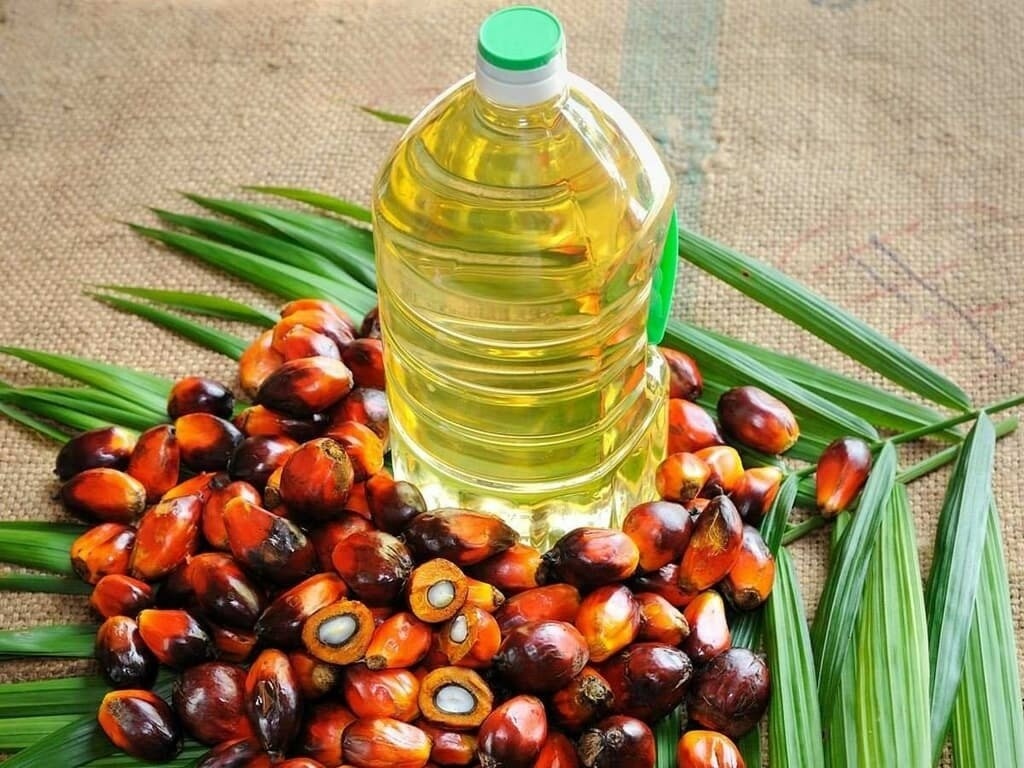
Malaysia’s palm oil industry is showing renewed momentum as exports from August 1–10 surged to 453,230 metric tons, a significant jump from 366,482 metric tons during the same period in July, according to inspection company AmSpec Agri Malaysia. This 23.6% increase signals robust glob...
Malaysia’s palm oil industry is showing renewed momentum as exports from August 1–10 surged to 453,230 metric tons, a significant jump from 366,482 metric tons during the same period in July, according to inspection company AmSpec Agri Malaysia. This 23.6% increase signals robust global demand and a potential rebound for one of the country’s most vital export commodities.
A Promising Start to August
The sharp uptick in exports during the first ten days of August marks a notable recovery after months of fluctuating trade volumes. In July, Malaysia’s palm oil exports had seen a modest rise, but the August figures suggest a stronger-than-expected performance. Analysts attribute this growth to improved buying interest from key markets such as India, China, and the European Union, as well as favorable pricing conditions.
This export boost comes at a time when Malaysia’s palm oil stocks have also risen. According to the Malaysian Palm Oil Board (MPOB), end-of-August stocks climbed by 7.34% to 1.88 million metric tons, the highest level since February. The increase in both exports and inventory reflects a surge in production and a more aggressive push into international markets.
Global Market Dynamics
Palm oil remains a cornerstone of Malaysia’s agricultural economy, contributing significantly to GDP and employment. The country is the world’s second-largest producer of palm oil, after Indonesia, and its exports are closely watched by global commodity markets.
In 2024, Malaysia’s total palm oil exports rose to 16.90 million metric tons, up from 15.14 million metric tons in 2023. India continues to be the largest importer for the 11th consecutive year, followed by China and the EU. The recent spike in exports during early August suggests that these markets are ramping up purchases ahead of seasonal demand and potential supply constraints.
Product Breakdown and Trends
AmSpec Agri’s breakdown of palm oil products exported during August 1–10 includes:
-
Crude Palm Oil (CPO): 47,800 metric tons
-
Refined Bleached Deodorized (RBD) Palm Oil: 26,195 metric tons
-
RBD Palm Olein: 124,878 metric tons
-
RBD Palm Stearin: 16,279 metric tons
-
Palm Fatty Acid Distillate: 9,400 metric tons
These figures highlight the diversity of palm-based products in Malaysia’s export portfolio. RBD palm olein, commonly used in cooking oils, continues to dominate the export mix, reflecting strong demand from food processing industries worldwide.
What’s Driving the Surge?
Several factors are contributing to the August export spike:
-
Seasonal buying: Importers often stock up ahead of festive seasons and weather-related disruptions.
-
Competitive pricing: Malaysian palm oil has remained price-competitive compared to alternatives like soybean and sunflower oil.
-
Improved logistics: Easing of global shipping bottlenecks has facilitated smoother trade flows.
-
Government support: Malaysia’s push for sustainable palm oil certification has helped maintain market access in environmentally conscious regions like the EU.
Sustainability and Future Outlook
While the export surge is encouraging, Malaysia’s palm oil industry continues to face challenges around sustainability, labor practices, and environmental impact. The government and industry stakeholders are working to enhance transparency and adopt greener technologies, as outlined in the Green Technology Master Plan Malaysia 2017–2030.
Looking ahead, analysts expect Malaysia’s palm oil exports to remain strong through the third quarter, driven by favorable weather conditions and steady demand. However, geopolitical tensions, currency fluctuations, and competition from Indonesia could influence future performance.
Sources: lse.co.uk, mpoc.org, bepi.mpob.gov, pmo.gov