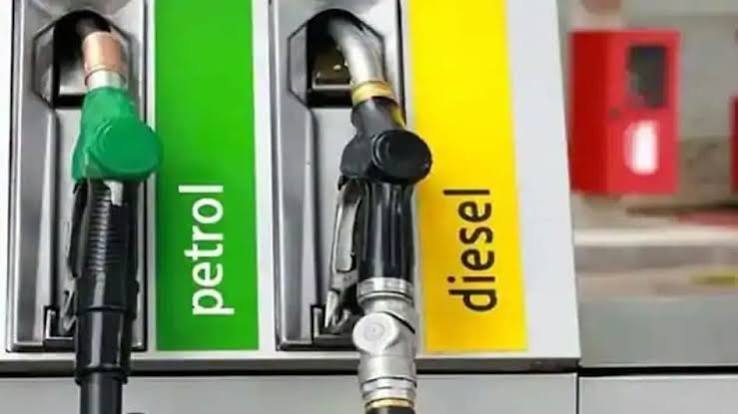
On August 14, 2026, state-run oil marketing companies maintained stable domestic petrol and diesel prices across major metropolitan cities. Retail rates held steady, with petrol selling at ₹102.12 per liter in New Delhi and ₹111.21 in Mumbai, despite elevated global crude oil prices and continuing geopolitical supply pressures.
NEW DELHI — State-owned oil marketing companies (OMCs)—including Indian Oil Corporation, Bharat Petroleum Corporation Limited, and Hindustan Petroleum Corporation Limited—kept retail petrol and diesel prices unchanged across major metropolitan cities on August 14, 2026.
The morning price revision at 6:00 AM IST reflected stable domestic retail rates for consumers and commercial transport operators. In New Delhi, petrol continues to retail at ₹102.12 per liter while diesel stands at ₹95.20 per liter. Mumbai maintained the highest rates among the national metros, with petrol priced at ₹111.21 per liter and diesel at ₹97.83 per liter. The pause in price adjustments comes despite elevated international crude benchmarks and ongoing geopolitical tensions affecting global energy supply lanes.
Metro-Wise Fuel Price Breakdown for August 14, 2026
Fuel prices across major Indian cities vary significantly due to local Value Added Tax (VAT), freight charges, and state-level levies imposed on petroleum products.
Among primary metros, Kolkata recorded the highest petrol rate at ₹113.51 per liter, followed by Bengaluru at ₹111.68 per liter. In the diesel segment, Hyderabad recorded ₹103.82 per liter, while Kolkata and Bengaluru hovered near the ₹99.50-₹99.80 threshold.
The consistency in petrol diesel prices August 14 reflects the current strategy of state-run OMCs to absorb short-term global crude fluctuations rather than immediately passing price volatility to retail pumps.
Global Energy Drivers and Domestic Taxation Framework
Domestic fuel pricing in India operates under a daily dynamic pricing mechanism managed by OMCs, taking into account international benchmark crude prices, foreign exchange rates (USD/INR), refining margins, and central/state tax structures.
Global oil futures have experienced upward momentum in recent months, driven by international supply shortfalls and trade corridor disruptions. However, retail fuel prices in India have remained largely range-bound as public sector energy firms offset margin fluctuations against previous recovery periods.
According to energy analysts, taxes imposed by the Ministry of Finance and respective state finance departments account for a substantial percentage of the final retail price paid by consumers at petrol pumps.
Impact on Logistics, Consumers, and Inflationary Trends
The stabilization of petrol diesel prices August 14 delivers predictable operating conditions for key economic sectors:
Commercial Transport and Logistics: Steady diesel rates prevent sudden spikes in freight transit costs, helping fleet operators maintain stable freight tariffs across national highways.
Daily Commuters and Drivers: Range-bound petrol prices provide short-term budgeting stability for two-wheeler owners, private vehicle drivers, and ride-hailing operators.
Retail Supply Chain & Inflation: Prevents fresh inflationary pressures on essential vegetable and food grain distribution, which rely heavily on long-distance diesel freight.
Aviation and Compressed Natural Gas (CNG): Allied fuel segments, including commercial CNG, remained steady in municipal markets, supporting urban public transit networks.
Official Sources Section
According to official daily price updates published by the Indian Oil Corporation, Bharat Petroleum Corporation Limited, and Hindustan Petroleum Corporation Limited, retail rates are verified every morning at 6:00 AM IST.
Regulatory benchmarks and taxation guidelines maintained by the Ministry of Petroleum and Natural Gas confirm that domestic fuel distribution continues under established daily pricing frameworks.
Quote Section
"According to officials from state-run oil marketing companies, daily retail fuel revisions continue to align domestic pricing with international crude trends while balancing consumer affordability and refining margin sustainability."
"Energy analysts stated that state VAT differentials remain the primary reason why petrol and diesel rates vary by several rupees per liter between neighboring state capitals."
Why It Matters
Monitoring petrol diesel prices August 14 is critical for household budgets, corporate logistics planning, and broader macroeconomic sentiment. Because transportation costs directly influence the retail price of consumer goods and food items, stable fuel pricing plays a vital role in curbing regional inflationary pressures across Indian markets.
Key Facts at a Glance
Daily Pricing: Rates revised daily at 6:00 AM IST by state-owned OMCs (IOCL, BPCL, HPCL).
New Delhi Rates: Petrol retails at ₹102.12/L; Diesel retails at ₹95.20/L.
Mumbai Rates: Petrol stands at ₹111.21/L; Diesel stands at ₹97.83/L.
Regional Variation: Tax structural differences (state VAT) account for price disparities between cities like Delhi and Kolkata.
Frequently Asked Questions (FAQ)
Why do petrol and diesel prices differ across Indian states?
Fuel prices vary between states due to local Value Added Tax (VAT) rates, freight charges, dealer commissions, and regional municipal levies applied on top of central excise duties.
When are daily petrol and diesel prices updated in India?
State-run oil marketing companies update retail fuel rates every morning at 6:00 AM IST based on international benchmark crude prices and foreign exchange rates.
How can consumers check daily fuel rates in their city?
Consumers can check real-time fuel prices through the official mobile apps of IOCL, BPCL, and HPCL, or by sending SMS queries with specific pump dealer codes to official OMC customer service numbers.
Source: Indian Oil Corporation, Bharat Petroleum Corporation Limited, Ministry of Petroleum and Natural Gas