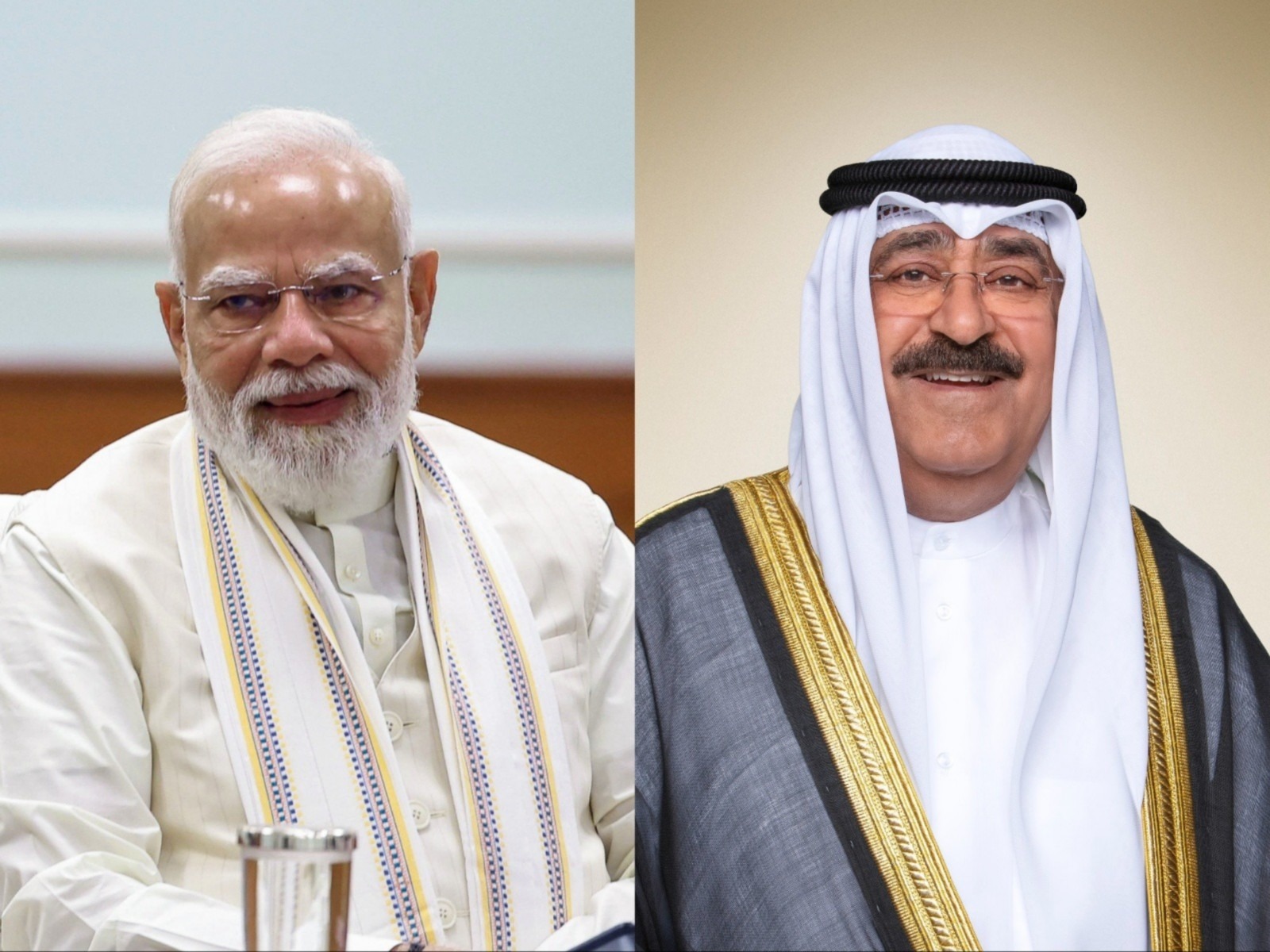
Prime Minister Narendra Modi held a telephone conversation with the Amir of Kuwait to address the escalating West Asian security crisis. The talks emphasized the need for diplomacy to restore peace and addressed the welfare of Indian nationals following recent strikes on critical infrastructure in Kuwait amid US-Iran tensions.
Prime Minister Narendra Modi engaged in a high-level telephonic conversation with the Amir of Kuwait, Sheikh Meshal Al-Ahmad Al-Jaber Al Sabah, on Tuesday, June 9, 2026, to discuss the rapidly deteriorating security environment in West Asia. The conversation underscores India’s growing diplomatic focus on regional stability amidst intensified hostilities involving regional powers and international actors.
The discussion, confirmed by the Prime Minister’s Office (PMO), centered on the need for immediate de-escalation and a return to diplomatic channels. Prime Minister Modi conveyed India’s deep concern regarding the ongoing conflict, explicitly condemning recent attacks that have compromised Kuwait’s sovereignty and territorial integrity.
Regional Instability and Safety Concerns
The diplomatic outreach follows a series of violent incidents in Kuwait that have directly impacted Indian nationals. On June 3, an Indian citizen was tragically killed during an Iranian strike on Kuwait International Airport. This followed a similar incident on March 30, when another Indian national lost their life in an attack targeting a power and water desalination facility.
These security breaches have placed the welfare of the large Indian diaspora in Kuwait at the forefront of New Delhi’s diplomatic agenda. During the call, Prime Minister Modi expressed his gratitude to the Amir for his personal intervention in ensuring the safety and well-being of the hundreds of thousands of Indian expatriates residing in the Gulf nation.
Strategic Context: The US-Iran Standoff
The regional crisis is unfolding against a volatile backdrop of broader geopolitical maneuvering. US President Donald Trump, speaking to reporters on Monday, emphasized that a naval blockade of the Strait of Hormuz will remain in effect until a definitive agreement is reached with Tehran. While President Trump expressed optimism regarding "backchannel talks," suggesting a deal could be finalized within "two or three days," regional analysts remain cautious.
Pakistani government sources, quoted by Anadolu, suggested that an immediate breakthrough is unlikely due to the "complex situation" on the ground, particularly concerning the ongoing military escalations in southern Lebanon and the lack of a formal ceasefire.
Quote Section
"According to officials," Prime Minister Modi underscored that "peaceful engagement remains the most effective path toward restoring stability and ensuring the security of the region," reiterating India’s commitment to diplomacy and dialogue as the primary tools for conflict resolution.
Why It Matters
For India, the stability of West Asia is paramount due to critical energy supplies, trade routes, and the lives of millions of Indian citizens working in the region. The high-level communication between New Delhi and Kuwait City highlights India’s role as an engaged stakeholder in Gulf security. For the global community, the dialogue reflects the urgency of de-escalation efforts as the world watches whether the reported US-Iran negotiations will yield a lasting peace or if the current naval and military tensions will broaden further.
Key Facts at a Glance
Diplomatic Engagement: PM Modi spoke with the Amir of Kuwait on June 9, 2026, to discuss regional security.
Security Concerns: Recent attacks on Kuwait International Airport and desalination plants have resulted in Indian casualties.
Strait of Hormuz: The US continues to enforce a strict naval blockade, with President Trump signaling high-stakes negotiations are ongoing.
India’s Stance: Reaffirmed commitment to de-escalation, dialogue, and diplomacy; condemnation of attacks on sovereignty.
FAQ Section
1. Why did PM Modi speak with the Amir of Kuwait?
The call was prompted by the deteriorating security situation in West Asia and the recent deaths of Indian nationals in Kuwait due to cross-border strikes, necessitating high-level discussions on safety and stability.
2. What is the status of US-Iran negotiations?
While President Trump has suggested a potential deal is "two or three days" away, sources close to mediation efforts suggest the situation remains complex and a breakthrough is not guaranteed.
3. What is India's official position on the West Asian conflict?
India consistently calls for de-escalation, dialogue, and diplomacy, emphasizing that civilian populations and infrastructure must be protected.
4. How does the conflict affect the Indian diaspora?
With hundreds of thousands of Indians residing in Kuwait and the wider Gulf region, regional instability poses direct risks to their safety, making their welfare a top priority for the Indian government.
Source: Prime Minister's Office (PMO), Ministry of External Affairs (MEA), The New Indian Express, ANI News, Al Jazeera