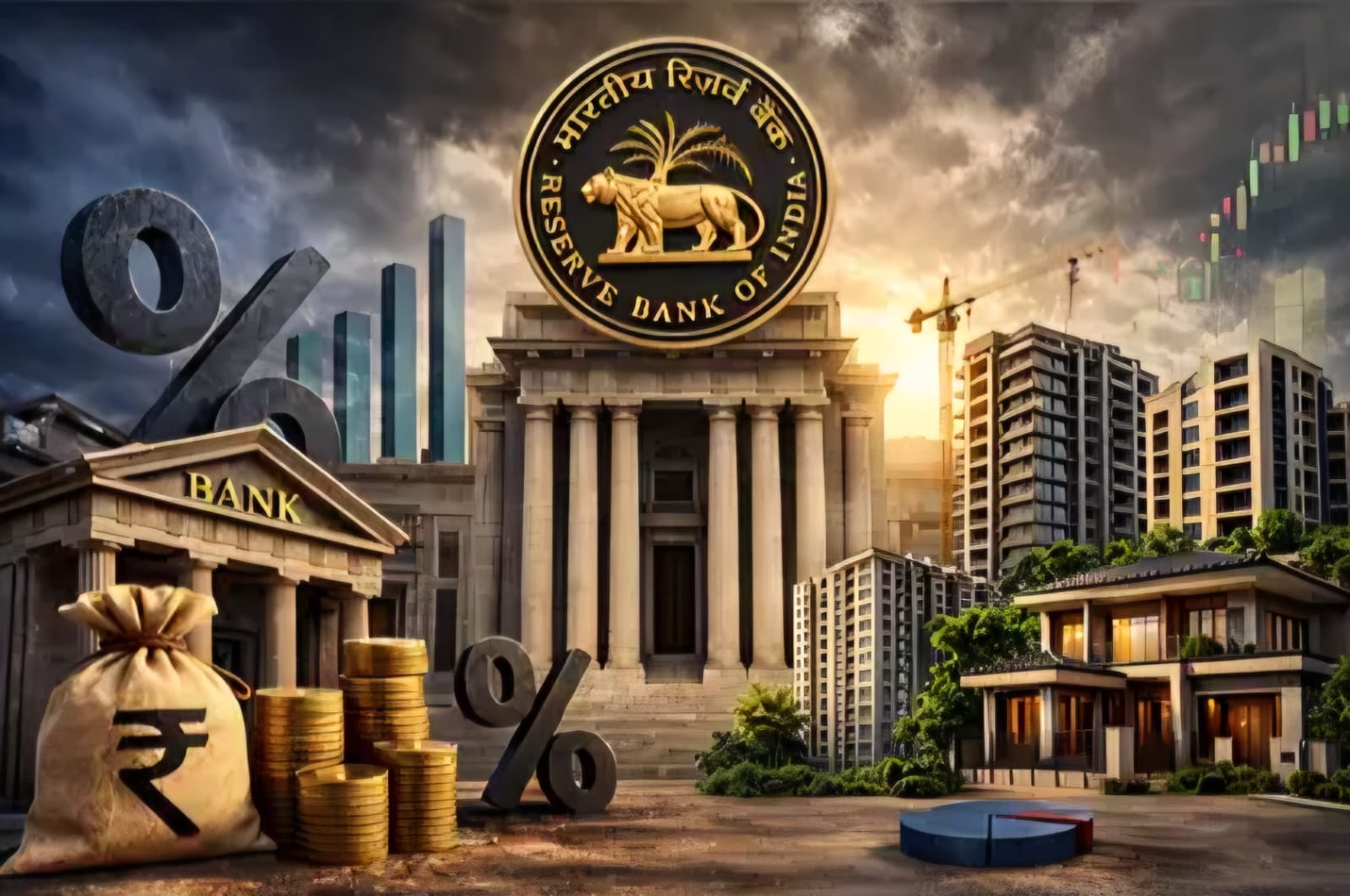
The Reserve Bank of India (RBI) absorbed ₹801.70 billion ($9.6 billion) from commercial banks during an overnight Variable Rate Reverse Repo (VRRR) auction on Thursday, August 13, 2026. Facing total bids of ₹801.70 billion against a notified ₹1,000 billion target, the central bank set the cut-off rate at 5.24 percent.
MUMBAI — The Reserve Bank of India (RBI) absorbed ₹801.70 billion ($9.6 billion) in banking liquidity on Thursday, August 13, 2026, through an overnight Variable Rate Reverse Repo (VRRR) auction. According to official operational releases from the central bank, commercial banks submitted bids totaling ₹801.70 billion against the notified target of ₹1,000 billion (₹1 trillion). The RBI accepted all bids in full, setting a cut-off rate of 5.24 percent and a weighted average rate of 5.24 percent to anchor overnight money market rates near the policy corridor floor.
Auction Mechanics and Liquidity Absorption Operations
Under its regular Liquidity Adjustment Facility (LAF) framework, the central bank uses VRRR operations as an active tool to pull excess cash out of the banking system. By offering a market-discovered interest rate through competitive bidding, the RBI encourages commercial lenders and primary dealers to park excess funds with the monetary authority rather than allowing overnight lending rates to fall below policy benchmarks.
Data released by the central bank highlighted the operational outcome of Thursday's liquidity drainage:
Notified Auction Amount: ₹1,000.00 Billion (₹1.00 Trillion)
Total Bids Received: ₹801.70 Billion
Total Bids Accepted: ₹801.70 Billion
Cut-Off Rate Set by RBI: 5.24%
Weighted Average Rate: 5.24%
The 80.17 percent bid-to-notified coverage ratio indicates that while banking system liquidity remains in surplus, commercial lenders retained roughly ₹198.30 billion for routine treasury operations, credit deployment, and interbank settlement buffers.
Money Market Impact and Policy Corridor Context
The overnight VRRR auction serves to align short-term interbank lending benchmarks—such as the Weighted Average Call Rate (WACR)—with the RBI's policy rate. Without central bank interventions to absorb idle balances, excess liquidity can drive call money rates toward the Standing Deposit Facility (SDF) rate floor, weakening monetary policy transmission.
| LAF Corridor Facility | Key Monetary Benchmark / Rate | Operational Role |
| Marginal Standing Facility (MSF) | Ceiling Rate | Emergency Liquidity Borrowing by Banks |
| Policy Repo Rate | Key Target Benchmark | Short-Term Liquidity Injection |
| VRRR Cut-Off Rate (Aug 13, 2026) | 5.24% Market Cut-off | Fine-Tuning Liquidity Absorption |
| Standing Deposit Facility (SDF) | Floor Rate | Passive Fixed-Rate Liquidity Absorption |
By securing an average yield of 5.24 percent on surplus funds, commercial banks achieved returns close to the prevailing policy repo rate. The operation prevents overnight money market volatility while keeping liquidity conditions consistent with the central bank's broader stance.
Official Sources Section
All operational metrics, auction figures, interest rates, and liquidity absorption figures referenced in this report reflect statutory data released by official central bank and exchange platforms:
Reserve Bank of India (RBI): Official press releases detailing Liquidity Adjustment Facility (LAF) auction results published on August 13, 2026.
The Clearing Corporation of India Limited (CCIL): Money market settlement data, Call Money, and Triparty Repo (TREPS) trading records.
National Stock Exchange of India (NSE): Money market interest rate logs and debt market reporting feeds.
Quote Section
"According to officials familiar with central bank money market desks on August 13, the overnight VRRR auction was executed as a fine-tuning measure to absorb short-term liquidity surpluses and keep overnight interbank rates aligned with the policy corridor."
Treasury desks reported that the full acceptance of bids helped stabilize interbank call rates during early trading hours.
Why It Matters
The outcome of the RBI's VRRR auction provides direct visibility into liquidity levels across India's banking system. Absorbing ₹801.70 billion helps prevent short-term money market rates from drifting downward, protecting net interest margins for institutional lenders while controlling inflationary liquidity pressures. For fixed-income investors and corporate treasury managers, predictable VRRR pricing maintains stability in short-term yield curves, commercial paper (CP) rates, and certificates of deposit (CD) pricing.
Key Facts at a Glance
Total Bids Accepted: The RBI accepted ₹801.70 billion in bids against a ₹1,000 billion notified target.
Cut-Off Interest Rate: Established at 5.24 percent during competitive auction bidding.
Weighted Average Yield: Settled at 5.24 percent for the overnight operation.
Operational Goal: Designed to absorb short-term surplus liquidity and anchor interbank lending rates.
Auction Date: Operations were conducted and settled on Thursday, August 13, 2026.
Frequently Asked Questions (FAQ)
1. What is a Variable Rate Reverse Repo (VRRR) auction?
A VRRR auction is a monetary policy tool used by the Reserve Bank of India to absorb excess cash from commercial banks. Banks bid to park surplus liquidity with the RBI in exchange for market-determined interest rates.
2. How much liquidity did the RBI absorb in the August 13, 2026 auction?
The RBI absorbed ₹801.70 billion ($9.6 billion) in surplus cash from commercial lenders, accepting all submitted bids in full.
3. What was the cut-off rate set by the RBI for the overnight VRRR?
The central bank set both the cut-off rate and the weighted average rate at 5.24 percent for the overnight auction.
4. Why did total bids fall below the ₹1,000 billion notified amount?
Total bids totaled ₹801.70 billion as banks retained around ₹198.30 billion to cover daily credit demands, clearing reserves, and liquidity coverage requirements.
Source: Official operational releases and money market reports published by the Reserve Bank of India (RBI), The Clearing Corporation of India Limited (CCIL), and the National Stock Exchange of India (NSE).