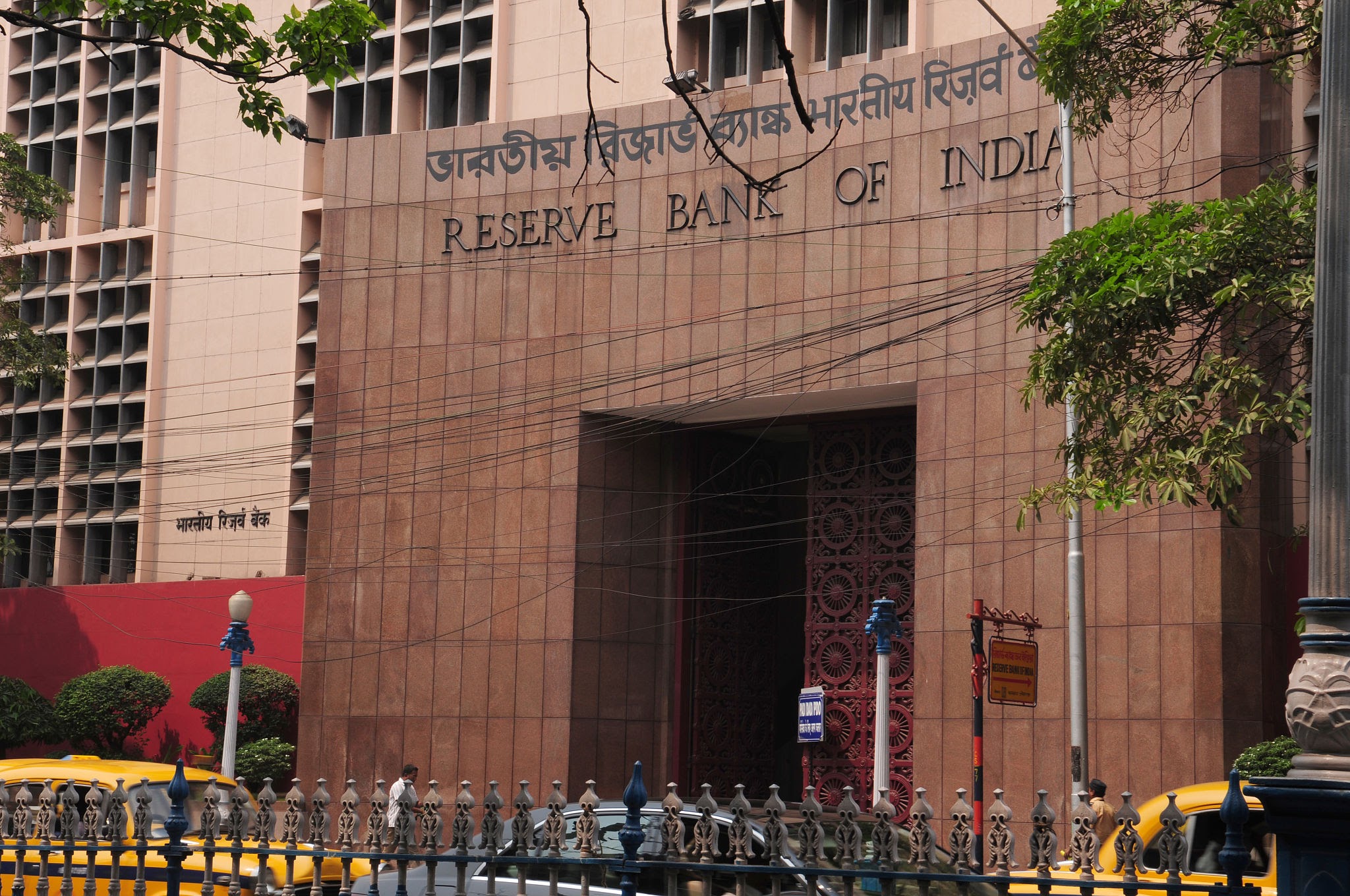
The Reserve Bank of India extended its operational directions on The Irinjalakuda Town Co-operative Bank Ltd. under Section 35A and Section 56 of the Banking Regulation Act. The regulatory move maintains strict controls on lending and withdrawals to safeguard depositor interests while the bank remains under central bank oversight.
MUMBAI — The Reserve Bank of India (RBI) has formally extended its operational restrictions on The Irinjalakuda Town Co-operative Bank Ltd., located in Thrissur district, Kerala. Issued under Section 35A read with Section 56 of the Banking Regulation Act, 1949, the statutory extension prolongs supervisory directions originally imposed to protect depositor interests and stabilize the lender's operational framework. The decision ensures that strict regulatory oversight remains active while the central bank continues to assess the institution's financial condition and administrative restructuring.
Statutory Provisions and Extension Framework
The regulatory action forms part of the central bank's ongoing exercise of powers under Section 35A read with Section 56 of the Banking Regulation Act, 1949, which applies specifically to co-operative societies operating in the banking sector.
Under these statutory provisions, the central bank retains authority to issue binding directions to prevent any co-operative bank from conducting business in a manner detrimental to the interest of depositors or public interest. The latest regulatory directive prolongs all existing operational conditions without relaxation, keeping withdrawal limits, credit restrictions, and asset oversight fully active.
Background of Regulatory Directions
The central bank initially placed All Inclusive Directions on The Irinjalakuda Town Co-operative Bank Ltd. following supervisory evaluations that revealed asset quality deterioration and liquidity stresses. As part of these directions, restrictions were placed on granting or renewing loans, making fresh investments, incurring liabilities, or disbursing payments without prior written approval from the banking regulator.
To safeguard depositor interest and ensure day-to-day administrative stability, the RBI subsequently superseded the bank's Board of Directors and appointed an Administrator alongside a Committee of Advisors (CoA). The regulatory intervention also enabled eligible depositors to access deposit insurance coverage through the Deposit Insurance and Credit Guarantee Corporation (DICGC), up to a statutory ceiling of 500,000 rupees per depositor.
Operational Restrictions and Rationale
The central bank emphasized that the decision to prolong the directive stems from a comprehensive assessment of the co-operative lender's liquidity position and operational recovery steps.
Key operational conditions enforced under the ongoing directions include:
Lending Restrictions: The bank is prohibited from granting or renewing any loans and advances without explicit prior written permission from the regulator.
Investment Limitations: Fresh investments, liability commitments, and asset disposals remain strictly controlled under central bank oversight.
Withdrawal Caps & Loan Set-Offs: Depositor withdrawal limits remain subject to established regulatory thresholds, while borrowers are permitted to set off loans against their deposits under specified guidelines.
Regulatory Rationale: The extension is granted in the public interest and does not imply that the regulator is satisfied with the financial health or stabilization of the institution.
Official Sources Section
All administrative directives, statutory extensions, and regulatory updates cited in this article originate directly from official press releases and regulatory notices published by the Reserve Bank of India under the Banking Regulation Act, 1949. Additional deposit protection details are governed under statutory frameworks administered by the Deposit Insurance and Credit Guarantee Corporation (DICGC).
Quote Section
"According to officials, the Reserve Bank of India extended the directive in the interest of the reading public and depositors, clarifying that the period extension should not be interpreted as a sign of improvement or stabilization in the bank's overall financial position."
Practical Impact on Depositors, Borrowers, and Urban Co-operative Banks
The extension of directions on the Kerala-based co-operative bank carries direct operational consequences for local account holders and the broader urban co-operative banking (UCB) sector:
For Depositors: Account holders remain subject to defined withdrawal caps, while eligible claims continue to be processed under DICGC insurance rules up to the 500,000 rupee threshold.
For Borrowers: Debtors seeking loan renewals or credit expansion must operate under strict regulatory restrictions, though loan set-offs against existing deposit balances remain permissible under prescribed rules.
For the Co-operative Banking Sector: The continued application of Section 35A directions highlights the central bank's persistent focus on governance, asset quality, and financial discipline across regional urban co-operative banks.
Why It Matters
Supervisory directions issued under Section 35A read with Section 56 of the Banking Regulation Act, 1949, act as an essential regulatory tool to prevent capital erosion and protect public savings. By extending directions on the Irinjalakuda Town Co-operative Bank, the central bank maintains administrative continuity, prevents uncoordinated asset liquidation, and ensures that corrective measures are systematically executed under appointed administrative oversight.
Key Facts at a Glance
Regulatory Action: RBI extended directions under Section 35A read with Section 56 of the Banking Regulation Act, 1949.
Affected Entity: The Irinjalakuda Town Co-operative Bank Ltd., operating in Kerala.
Operational Rules: Continued restrictions on loan disbursements, fresh investments, and asset liabilities.
Depositor Protection: Insurance protection accessible via DICGC up to a limit of 500,000 rupees.
Regulatory Rationale: Decision taken in the public interest to preserve financial oversight while structural review continues.
Frequently Asked Questions (FAQ)
Why did the Reserve Bank of India issue directions on Irinjalakuda Town Co-operative Bank?
The central bank issued operational directions under Section 35A and Section 56 of the Banking Regulation Act, 1949, to safeguard public interest and protect depositor savings following financial and operational stresses at the bank.
Does the extension mean the bank's financial condition has improved?
No, the RBI explicitly clarified that extending the period of directions does not imply satisfaction with the bank's financial state or mean that its financial condition has stabilized.
Can depositors withdraw their funds during the extended period?
Depositor withdrawals remain governed by statutory caps established in the RBI directions, though eligible depositors may claim insurance payouts through the DICGC up to 500,000 rupees.
What legal provisions empower the RBI to impose these restrictions?
The restrictions are enforced under Section 35A read with Section 56 of the Banking Regulation Act, 1949, which grants the central bank statutory powers to issue binding operational directions to co-operative banks.
Source: Official regulatory announcements and public releases published by the Reserve Bank of India and the Deposit Insurance and Credit Guarantee Corporation (DICGC).