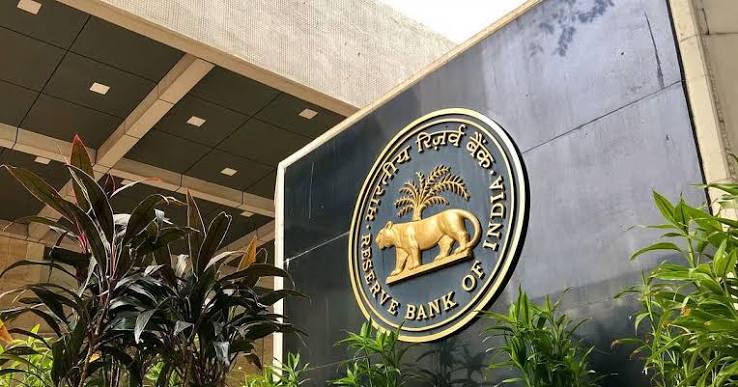
The Reserve Bank of India has extended its regulatory directions on Samarth Sahakari Bank Ltd. in Osmanabad, Maharashtra, citing the need for continued financial oversight. Invoking the Banking Regulation Act, the RBI aims to maintain institutional stability and protect depositors, keeping the bank under operational restrictions while it undergoes review.
MUMBAI — The Reserve Bank of India (RBI) has announced a further extension of the regulatory directions imposed on Samarth Sahakari Bank Ltd., based in Osmanabad, Maharashtra. This decision, issued under the powers vested in the central bank via Section 35A read with Section 56 of the Banking Regulation Act, 1949, aims to continue oversight of the institution’s operations and protect the interests of its depositors.
The extension, effective immediately, serves as a continued safeguard, signaling that the financial institution remains under close regulatory scrutiny. The RBI has periodically issued such directives to distressed co-operative banks to prevent further erosion of their financial health while corrective measures are assessed or implemented.
Regulatory Context and Banking Oversight
The regulatory directions placed on Samarth Sahakari Bank Ltd. involve specific restrictions on the bank’s ability to grant loans, make investments, or incur liabilities. These measures are common tools utilized by the Reserve Bank of India to manage financial instability within the urban co-operative banking sector.
For the bank's customers, the directives often include limitations on cash withdrawals, which are adjusted based on the institution's liquidity position. The RBI maintains these curbs to ensure that the bank can continue to operate in a limited capacity while preserving its remaining asset base. These measures remain in force until the central bank determines that the institution has reached a level of stability that warrants a modification or withdrawal of the directions.
Impact on Depositors and Local Business
Samarth Sahakari Bank Ltd. serves a significant number of depositors in the Osmanabad region, including small business owners, farmers, and retail savers. The continuation of these RBI restrictions means that depositors will likely continue to face limitations on their transactions.
According to financial analysts, such extensions are typically implemented when a co-operative bank struggles with high non-performing assets (NPAs) or capital adequacy requirements. The RBI’s move is intended to ensure that the institution does not collapse, which would have a more severe impact on the local economy. The regulator frequently reviews these directives, and the current extension is a testament to the ongoing need for stabilization efforts within the bank's administrative and financial structure.
Official Sources
The directive was issued following a formal review by the Reserve Bank of India (RBI), the nation's central banking institution. All regulatory notifications and press releases regarding the status of urban co-operative banks are published on the RBI official portal. The bank is expected to display copies of the RBI directions at its premises for public information.
Quote Section
According to officials at the Reserve Bank of India, the extension of these directions is "necessary to maintain the financial stability of the institution and to ensure the protection of depositor interests." Organizers stated that the bank will continue to provide services to the extent allowed by the regulatory framework, with all operations subject to ongoing monitoring by the central authority.
Why It Matters
The restriction on Samarth Sahakari Bank Ltd. is a reflection of the challenges facing smaller, regionally focused co-operative banks in India. For the community in Osmanabad, this means banking activities will continue under a highly regulated environment. For the broader financial system, it underscores the RBI’s commitment to proactive supervision, ensuring that individual bank failures do not lead to systemic instability or panic within the co-operative banking sector.
Key Facts at a Glance
Institution: Samarth Sahakari Bank Ltd., Osmanabad, Maharashtra.
Legal Basis: Actions taken under Section 35A read with Section 56 of the Banking Regulation Act, 1949.
Regulatory Authority: Reserve Bank of India (RBI).
Primary Objective: To ensure banking stability and safeguard the interests of account holders.
Current Status: Regulatory directions extended for an additional period.
FAQ
What are the restrictions on Samarth Sahakari Bank Ltd.?
The restrictions typically include limitations on lending, investments, and daily cash withdrawals for depositors to preserve the bank’s liquidity.
Are my deposits safe in the bank?
The RBI imposes these directions to stabilize the bank. Depositors should be aware that the Deposit Insurance and Credit Guarantee Corporation (DICGC) provides insurance coverage for deposits up to ₹5 lakh per depositor, subject to certain conditions.
How long will these restrictions last?
The RBI does not specify a permanent end date, but rather reviews the financial health of the bank periodically. The current extension remains in effect until the regulator deems it appropriate to modify or cancel the orders.
Source: Reserve Bank of India (RBI)