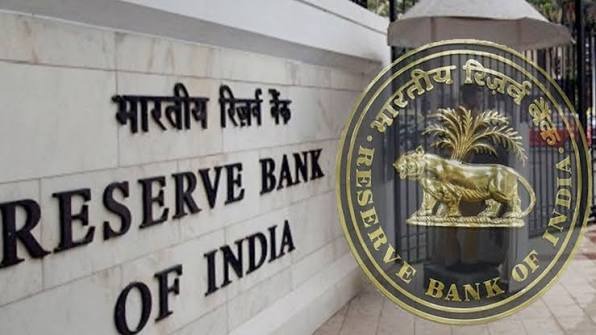
The Reserve Bank of India (RBI) has issued final amended directions establishing a unified governance framework for commercial, payments, and small finance banks, effective October 1, 2026. The directives transition banking boardrooms from prescriptive checklists to a principle-based oversight model, prioritizing risk governance.
MUMBAI, INDIA — The Reserve Bank of India (RBI) has issued its final amended directions dictating the framework of governance, regulatory policies, and administrative matters that must be systematically placed before the boards of regulated banking institutions. Released as part of a major structural overhaul of the domestic financial system on Tuesday, July 14, 2026, the updated regulatory guidelines are officially scheduled to come into effect starting October 1, 2026.
The comprehensive policy package introduces targeted structural updates, specifically launching the Reserve Bank of India (Payments Banks - Governance) Amendment Directions, 2026, and the Reserve Bank of India (Small Finance Banks - Governance) Amendment Directions, 2026. By enforcing these coordinated amendments, the country's banking regulator aims to transform the operational focus within institutional boardrooms. The new rules move away from historical, compliance-heavy checklists and transition toward active, principle-based strategic risk management. This shift ensures that specialized lending institutions maintain high financial stability as credit and digital transactional volumes scale up nationwide.
Shifting Focus From Routine Audits to Core Risk Oversight
The primary objective behind the newly issued governance amendment directions is to reduce administrative congestion during quarterly board evaluations. Under the legacy regulatory frameworks, board agendas were often crowded with repetitive operational updates and low-level policy sign-offs. The RBI's updated mandates resolve this issue by clearly dividing responsibilities between full boards and their specialized sub-committees.
Under the revised guidance, bank boards can delegate routine operational reviews to committees like the Audit Committee of the Board (ACB) or the Management Committee. This reorganization frees up the full board to dedicate extended meeting hours to macro-level strategy, technological vulnerabilities, capital adequacy plans, and systemic liquidity buffers. For Small Finance Banks (SFBs) and Payments Banks (PBs), which manage large volumes of digital transactions and micro-loans, this mandate requires direct board-level oversight on technological infrastructure and anti-money laundering (AML) frameworks.
Enhancing Accountability Structures for Niche Banks
The targeted directives introduce specific governance expectations tailored to the unique business models of Small Finance Banks and Payments Banks:
Small Finance Banks Framework: Mandates deep-dive board reviews of regional credit concentration levels, non-performing asset (NPA) collections within agricultural and MSME portfolios, and Internal Capital Adequacy Assessment Process (ICAAP) designs.
Payments Banks Framework: Prioritizes strict boardroom monitoring of cyber resilience, high-volume digital platform uptimes, third-party payment gateway partnerships, and the secure investment of customer deposits in government securities.
For bank depositors, retail consumers, and stock market investors, these refined governance guidelines act as a critical safety buffer. By formalizing stricter internal controls and holding board members directly accountable for risk choices, the central bank aims to prevent corporate failures and maintain high trust in the expanding digital banking network.
Official Sources Section
The final regulatory guidelines and specific text revisions are published under the supervisory circulars terminal of the Reserve Bank of India. The central bank executed these sweeping modifications using its statutory authority granted under Section 35A of the Banking Regulation Act of 1949. Banking corporate framework updates and subsequent institutional board structure filings can be cross-referenced via the central registries hosted by the Ministry of Corporate Affairs.
Quotes Section
Detailing the underlying supervisory philosophy in the final notification, senior officials from the central bank stated:
"The core intent of these governance amendment directions is to ensure that bank boards are not consumed by routine compliance checklists. By rationalizing the list of matters to be placed before the boards of banks, we are empowering directors to dedicate sufficient time to long-term business strategy, internal audit independence, and forward-looking risk governance."
According to officials familiar with the implementation timeline:
"Regulated entities are granted an adequate preparation window until the official enforcement date on October 1, 2026. Boards must use this period to re-align their internal agendas, update committee charters, and define clear boundaries for material policy changes."
Why It Matters
Moving to a principle-based governance model ensures that bank directors focus on key financial indicators rather than minor administrative tasks. For everyday consumers and investors, this modern oversight structure means faster detection of systemic credit flaws, better security against digital fraud at payments banks, and an altogether safer banking environment.
Key Facts at a Glance
Definitive Timeline: The final governance directions issued by the RBI will officially take effect on October 1, 2026.
Targeted Segments: The release includes dedicated governance amendment directions for both Payments Banks and Small Finance Banks.
Principle-Based Shift: Discontinues restrictive checklist systems, forcing bank boards to focus on high-level risk appetite and capital planning.
Delegation Flexibility: Boards can delegate minor policy reviews to sub-committees while keeping full accountability for major changes.
FAQ Section
When do the new RBI bank board governance guidelines become mandatory?
All covered commercial, small finance, and payments banks must fully implement the updated agenda and governance frameworks starting October 1, 2026.
Can bank boards delegate all policy approvals to management committees?
No. While boards can delegate routine reviews and minor adjustments, they retain ultimate responsibility and must directly approve all material strategy shifts, capital infusions, and large exposure policies.
How do these rules protect Small Finance Banks and Payments Banks?
The directions force these boards to monitor risks unique to their operations such as high-volume transaction uptimes for payments banks and micro-credit concentrations for small finance banks preventing hidden operational liabilities.
Source: Reserve Bank of India Master Notifications, Ministry of Corporate Affairs Banking Registry