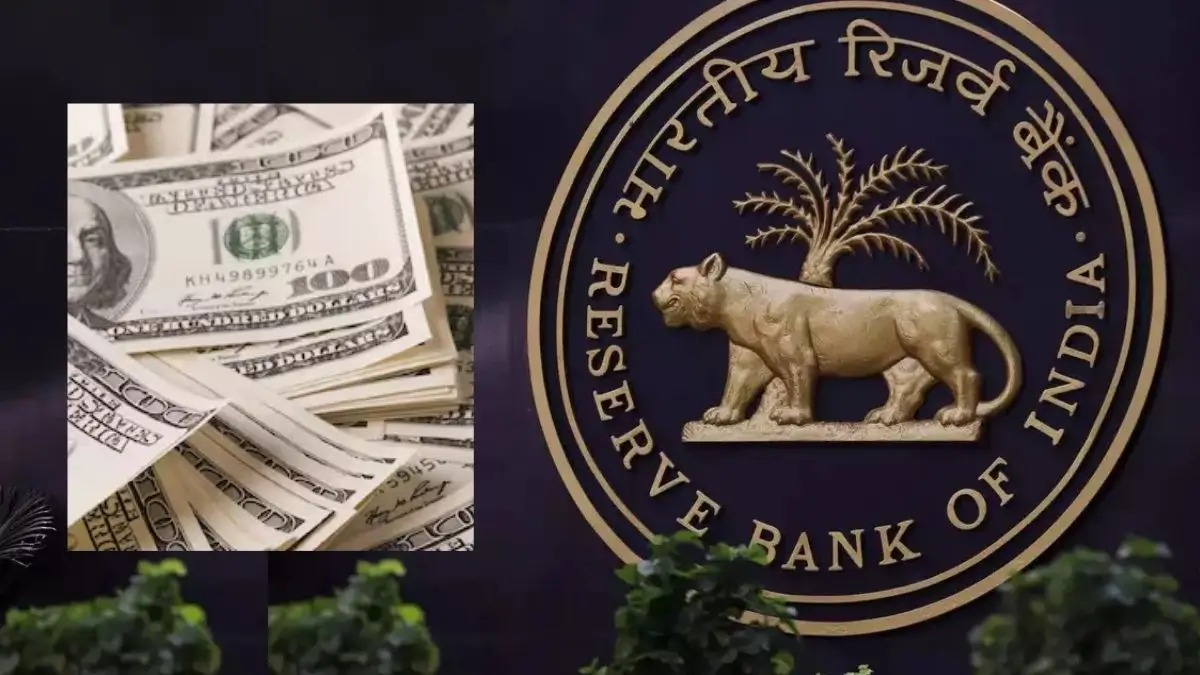
The Reserve Bank of India maintained the repo rate at 5.25% following its June MPC meeting, citing global economic uncertainty and inflation risks. While India’s GDP growth forecast was revised to 6.6%, the nation's forex reserves remain robust at $671.63 billion, with the federal government currently holding no outstanding RBI loans.
The Reserve Bank of India (RBI) has concluded its Monetary Policy Committee (MPC) meeting, held from June 3 to June 5, 2026, with a unanimous decision to maintain the repo rate at 5.25%. The central bank has opted to retain its "neutral" policy stance, signaling a cautious approach as it navigates a complex environment of shifting global demand and persistent inflationary pressures.
In its latest policy statement, the RBI underscored that while domestic growth remains resilient, external factors—particularly geopolitical tensions in West Asia and volatile crude oil prices—continue to present upside risks to inflation. Consequently, the MPC has revised India’s GDP growth forecast for the 2026-27 fiscal year downward to 6.6%, a slight adjustment from previous projections, as it balances the need for supporting economic activity with the imperative of maintaining price stability.
Forex Reserves and External Sector Resilience
As of June 12, 2026, India’s foreign exchange reserves stood at $671.63 billion, according to the latest data released by the Reserve Bank of India. This figure represents a marginal change from the previous week's level of $681.61 billion. Despite the slight fluctuation, RBI Governor Sanjay Malhotra emphasized that India’s external sector remains robust.
The current level of reserves is widely considered adequate, providing an import cover of approximately 11 months, which serves as a significant buffer against potential global financial volatility. The central bank remains vigilant in its management of the forex market, with officials stating that they are fully prepared to intervene to preserve orderly market conditions should the need arise.
Federal Government Fiscal Position
In a demonstration of the government's current fiscal liquidity, the RBI reported that the federal government had no outstanding loans with the central bank as of June 12, 2026. This status reflects a comfortable cash-flow position for the government during the current quarter, even as it continues to manage infrastructure spending and navigate broader fiscal targets amid a challenging global economic landscape.
Official Sources
The policy decisions and economic data cited in this report are based on the Reserve Bank of India (RBI) official press releases and the minutes of the Monetary Policy Committee meeting held from June 3 to June 5, 2026. Weekly data regarding India's forex reserves and government loan positions are published through the RBI's standard statistical reporting channels.
Quote Section
"According to officials," the decision to maintain the status quo on interest rates was driven by the necessity of anchoring inflation expectations while supporting the economy's underlying growth momentum. Organizers stated that the central bank continues to prioritize financial stability, ensuring that systemic liquidity remains adequate to meet the productive requirements of the economy during these periods of heightened geopolitical uncertainty.
Why It Matters
For businesses and consumers, the RBI's decision to hold interest rates steady suggests that borrowing costs, including home and auto loan rates, are expected to remain stable in the near term. For investors, the central bank’s focus on stability over aggressive stimulus provides a predictable environment, though the downward revision of the GDP growth forecast highlights the ongoing challenges posed by external economic pressures.
Key Facts at a Glance
Repo Rate: Unchanged at 5.25%.
GDP Growth Forecast (FY27): Revised to 6.6%.
Forex Reserves: $671.63 billion as of June 12, 2026.
Government Borrowing: No outstanding loans with the RBI as of June 12.
Policy Stance: Neutral.
Frequently Asked Questions (FAQ)
Why did the RBI keep the repo rate unchanged?
The RBI kept the repo rate unchanged to balance inflation risks—driven by crude oil prices and global supply disruptions—with the need to sustain domestic economic growth.
Are forex reserves sufficient?
Yes, at $671.63 billion, the RBI considers reserves to be at a healthy level, providing approximately 11 months of import cover and acting as a strong buffer against external shocks.
What does it mean for the government to have no outstanding loans with the RBI?
It indicates that the federal government has managed its cash flows effectively and is not currently relying on the central bank for short-term liquidity support.
Source: Reserve Bank of India (RBI)