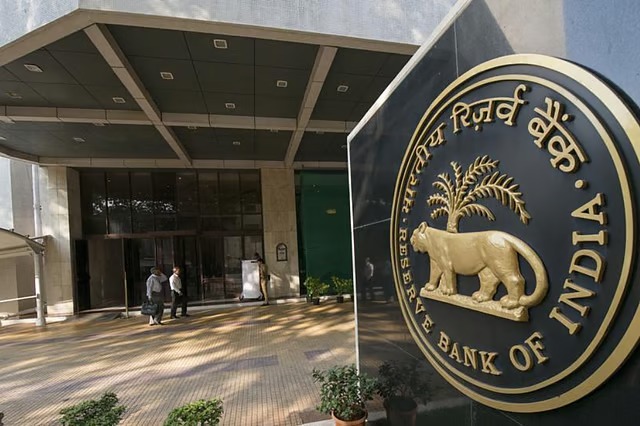
The Reserve Bank of India (RBI) has officially announced an auction for the buyback of Government of India dated securities aggregating up to ₹200 billion (₹20,000 crore) on July 28. The liquidity management operation aims to ease premature debt redemption pressures on the central government while providing institutional lenders with enhanced trading flexibility.
MUMBAI — The Reserve Bank of India (RBI) has issued a official notification confirming a buyback auction of Government of India dated securities worth up to ₹200 billion (₹20,000 crore), scheduled to take place on July 28.
The buyback operation, conducted on behalf of the Ministry of Finance, is designed to prematurely extinguish select short-dated sovereign bonds. By repurchasing these securities prior to their formal maturity dates, the central government aims to smooth its upcoming debt redemption profile and mitigate bunching of repayment obligations.
The development comes as the central bank continues to recalibrate liquidity conditions in the domestic banking system, allowing commercial banks and primary dealers to realign their sovereign debt portfolios.
Auction Mechanics and Buyback Structure
According to guidelines released by the central bank, the buyback will be conducted through an electronic auction on the RBI’s proprietary e-Kuber trading portal.
Key structural aspects of the buyback auction include:
Target Value: ₹200 billion (₹20,000 crore) aggregate notified amount.
Auction Date: July 28, with settlement scheduled for the following business day.
Eligible Participants: Primary Dealers, commercial banks, institutional funds, and recognized gilt account holders.
Auction Format: Multiple price-based auction methodology, where successful sellers receive payouts at their specific bid prices.
The RBI reserves the right to accept or reject bids partially or fully, or to decide the quantum of buyback for individual securities depending on market yield conditions.
Debt Management Context and Impact on Bond Yields
Sovereign bond buybacks and switch operations form a core pillar of the government's medium-term debt management strategy. During fiscal cycles with heavy borrowing targets, early repurchases help prevent liquidity crunches caused by simultaneous large-scale bond maturities.
Strategic Market Implications
Redemption Profile Smoothing: Repurchasing short-maturity paper prevents excessive cash outflows from the exchequer during upcoming fiscal periods.
Liquidity Support: The central bank's cash injection via the buyback returns ₹200 billion into the banking system, helping balance interbank call money rates.
Yield Curve Alignment: Removing specific short-term securities from secondary markets helps stabilize short-end sovereign yields relative to longer-dated government bonds.
Money market participants expect strong institutional participation in the auction, as commercial banks look to lock in profits or re-allocate liquidity toward higher-yielding credit assets.
Official Sources Statement
In an official public disclosure released from Mumbai, the Reserve Bank of India confirmed:
"According to officials, the Government of India has decided to conduct a buyback auction of dated securities for a notified amount of ₹200 billion on July 28. The auction will be conducted using the multiple price method via the e-Kuber system."
The operation is conducted under the provisions of the Public Debt Act and in consultation with the Ministry of Finance.
Why It Matters
The ₹200 billion G-sec buyback carries immediate practical benefits for financial institutions, market participants, and treasury managers:
Banking System Liquidity: Releasing cash into the banking system enhances money market liquidity for short-term commercial lending.
Fiscal Discipline: Premature debt redemption demonstrates proactive sovereign risk management and fiscal planning.
Portfolio Rebalancing: Institutional bondholders can unload short-tenor holdings at competitive market yields ahead of final maturity.
Key Facts at a Glance
Issuing Authority: Reserve Bank of India (RBI) on behalf of Government of India
Operation: Buyback of Government Dated Securities (G-Secs)
Auction Amount: Up to ₹200 billion (₹20,000 crore)
Auction Date: July 28
Platform: Electronic bidding via RBI e-Kuber system
Frequently Asked Questions (FAQs)
What is a Government Security (G-Sec) buyback?
A G-Sec buyback is an operation where the government repurchases its own issued bonds from the secondary market before their scheduled maturity date using surplus funds or debt management provisions.
Why does the government buy back its own bonds?
The government conducts buybacks to manage its debt maturity profile, prevent large concentration of debt repayments in a single year, and inject liquidity into the banking system.
How do banks participate in the RBI buyback auction?
Eligible institutions, including commercial banks and Primary Dealers, submit competitive price bids electronically through the RBI’s e-Kuber core banking system during the designated auction window.
Where can investors track official RBI auction results?
Official auction announcements and settlement results are published directly on the official portal of the Reserve Bank of India and communicated to exchanges including BSE India and the National Stock Exchange of India.
Source: Official notifications from the Reserve Bank of India, debt management updates from the Ministry of Finance, and market reports from Press Information Bureau.