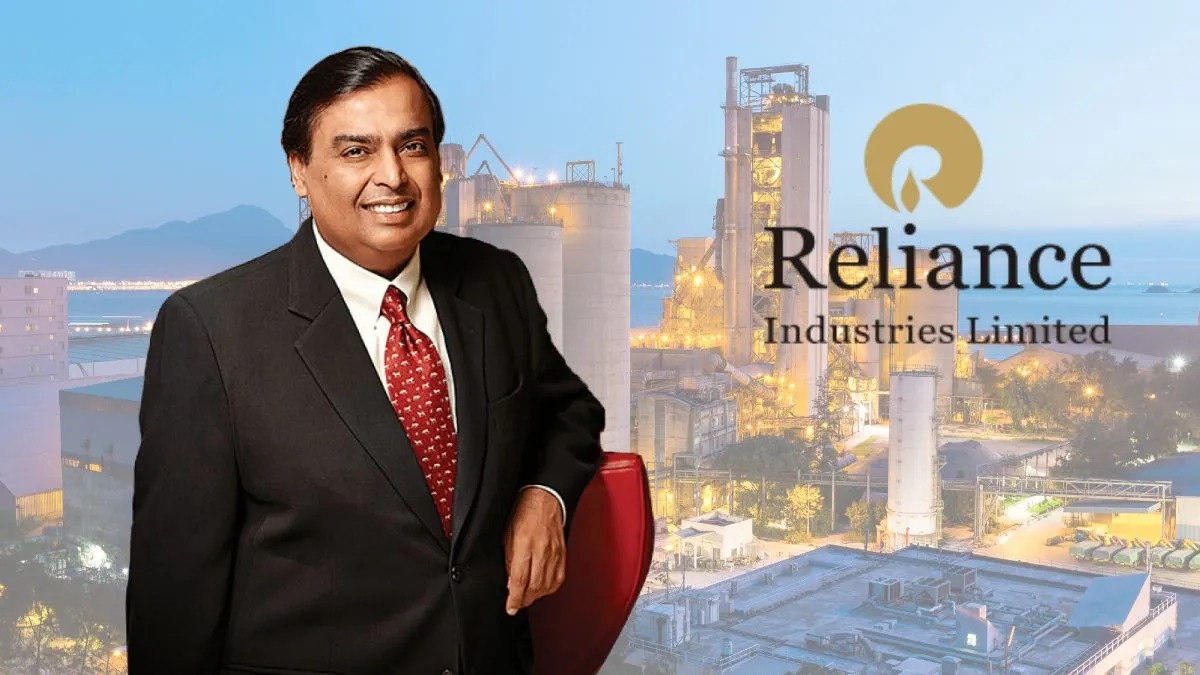
Reliance Industries is pivoting toward a sustainable future, with a significant portion of its multi-billion dollar capital expenditure over the next five years dedicated to its "New Energy" platform. By scaling solar, battery, and green hydrogen manufacturing, Reliance aims to drive India's energy transition while achieving net-zero by 2035.
Reliance Industries Limited (RIL) has reaffirmed its commitment to a sustainable future by prioritizing its "New Energy" platform in its capital expenditure roadmap for the next three to five years. During the company’s 49th Annual General Meeting (AGM) held on June 19, 2026, Chairman and Managing Director Mukesh Ambani outlined a multi-billion dollar investment strategy designed to position Reliance as a global leader in clean energy and advanced materials.
The strategic focus follows a record-breaking fiscal year in which the conglomerate invested ₹1,44,271 crore ($15.2 billion) in capital expenditure. With a cumulative five-year investment of over ₹6.48 lakh crore ($68.4 billion), the group has emerged as India’s largest private-sector spender, fueling massive projects across its digital, retail, and energy verticals.
Building a Green Energy Empire
The centerpiece of the company's energy vision is the Dhirubhai Ambani Green Energy Giga Complex in Jamnagar. Spanning 5,000 acres, this integrated ecosystem is already operational, having produced nearly 1 GW of Heterojunction Technology (HJT) solar modules. Reliance has set aggressive production targets, aiming to scale its solar module manufacturing capacity to 10 GW annually, with a clear roadmap to double that to 20 GW in the coming years.
Beyond solar, the company is developing a large-scale renewable energy platform in Kutch, Gujarat. This initiative is pivotal to India’s national objective of achieving 500 GW of non-fossil fuel power capacity and 5 million metric tonnes per annum (MMTPA) of green hydrogen production by 2030. According to official reports, the Kutch project is designed to eventually supply approximately 10% of India’s total electricity demand over the next decade.
Strategic Capital Allocation
While the company continues to maintain its leadership in Oil-to-Chemicals (O2C), the shift toward renewable energy is deliberate. The "New Energy" platform integrates solar, wind, hydrogen, fuel cells, and battery manufacturing, creating a comprehensive energy portfolio. The company is currently one of the world's largest potential manufacturers of Lithium Iron Phosphate (LFP) batteries, further bolstering its position in the energy storage value chain.
"Reliance is committed to achieving an ambitious net-zero carbon target by 2035," the company noted in its official strategy documents, emphasizing that the New Energy business will provide an optimal mix of affordable and reliable clean energy solutions.
Official Sources
Information regarding the capital expenditure strategy and operational milestones was sourced from the Reliance Industries 49th Annual General Meeting (AGM) notice and post-meeting disclosures, along with financial reporting for the fiscal year ended March 31, 2026. Data on renewable energy capacity and national targets were corroborated by reports from the India Brand Equity Foundation (IBEF).
Quote Section
"According to officials," the company’s capital allocation over the coming half-decade is strategically aligned with India’s long-term energy security goals. Organizers stated that the investment in the new energy platform is intended to bridge the "green energy divide" and establish Reliance as a cornerstone of the global circular economy through the integration of sustainable materials and clean power.
Why It Matters
For investors and stakeholders, this shift signals a long-term transformation of Reliance from a traditional hydrocarbon-focused conglomerate into a diversified energy-tech giant. The scale of investment suggests that the company is effectively hedging against global energy volatility while positioning itself to capture the massive economic shift toward decarbonization in India.
Key Facts at a Glance
Solar Target: Scaling solar module manufacturing to 10 GW, with plans to double to 20 GW.
Net-Zero Goal: Committed to carbon neutrality by 2035.
5-Year Capex: Over ₹6.48 lakh crore ($68.4 billion) invested cumulatively through FY26.
National Impact: Kutch renewable project aims to supply ~10% of India's electricity demand.
Technology Milestone: First Indian company to receive ALMM listing for HJT solar cells.
Frequently Asked Questions (FAQ)
What is the core focus of Reliance’s New Energy platform?
The platform focuses on building an integrated ecosystem comprising solar, wind, green hydrogen, fuel cells, and advanced battery manufacturing (LFP) to provide clean and reliable energy.
How is Reliance funding these green investments?
The investments are primarily funded through the company’s internal cash profits, supported by its strong operational performance in its core business segments like O2C, retail, and digital services.
What is the significance of the Jamnagar Giga Complex?
It serves as the hub for Reliance’s clean energy production, including the manufacture of HJT modules and integration of green energy materials, positioning it as one of the world’s most integrated sites.
Source: Reliance Industries Limited, IBEF, The Economic Times