A Reuters poll released on August 6, 2026, revealed that bearish bets on Asian currencies decreased significantly. Short positions on the Indonesian rupiah reached their lowest since January 2026, while Indian rupee short bets hit mid-July 2025 lows. Investors also turned net bullish on the South Korean won for the first time in 10 months.
SINGAPORE — Bearish positioning against Asian currencies eased significantly this week, with short bets on the Indonesian rupiah hitting their lowest level since early January 2026 and short positions on the Indian rupee dropping to their lowest since mid-July 2025, according to a fortnightly survey released by Reuters on Thursday, August 6, 2026. The survey also revealed that market participants turned net bullish on the South Korean won for the first time in over 10 months. The shift in regional currency positioning reflects broader market expectations of easing global interest rate pressures, stabilizing commodity costs, and continued central bank interventions across emerging Asian economies.
Easing Bearish Bets on Indonesian Rupiah and Indian Rupee
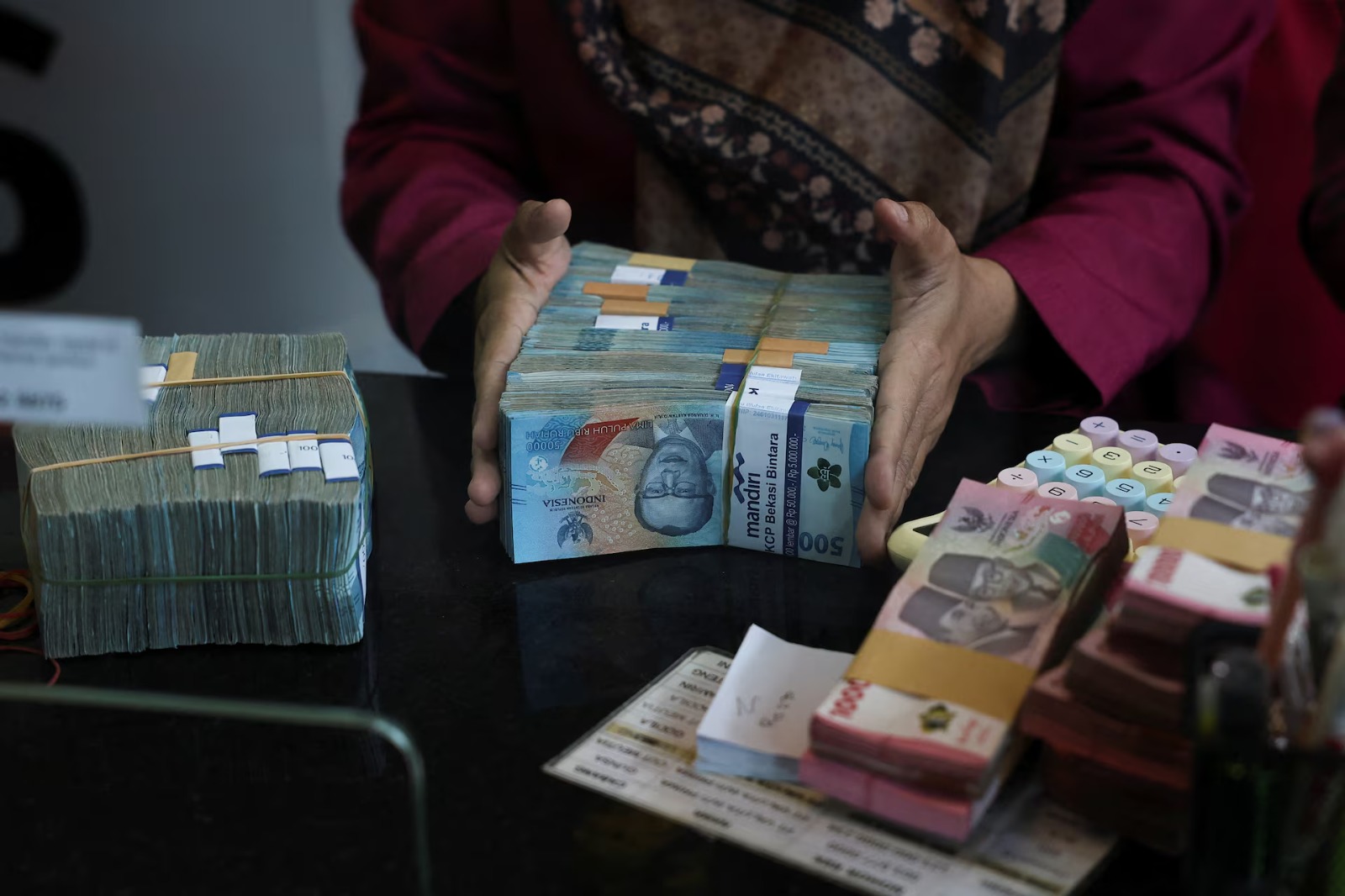
The survey results highlight a significant recalibration in FX market positioning across major emerging Asian markets. Bearish bets on the Indonesian rupiah (IDR=) fell to their lowest mark since early January 2026, supported by steady monetary policy measures and foreign capital inflows into local sovereign debt markets.
Simultaneously, short bets on the Indian rupee (INR=IN) retreated to levels not seen since mid-July 2025. The Indian rupee has benefited from active liquidity management by the domestic central bank and steady macroeconomic fundamentals despite global trade volatility. Market analysts attribute the reduced bearish sentiment on both currencies to stabilizing global energy prices, which have eased import bill concerns for energy-dependent Asian economies.
South Korean Won Turns Bullish for First Time in 10 Months
In one of the most pronounced shifts recorded in the latest survey, investors turned net bullish on the South Korean won (KRW=KFTC) for the first time in over 10 months. The positive turn in market sentiment follows renewed strength in technology hardware exports and sustained foreign portfolio inflows into South Korean equity markets.
The recovery in the South Korean won signals expanding investor confidence in North Asian export-oriented economies. Increased global demand for semiconductor memory chips and artificial intelligence hardware has bolstered South Korea's trade balance, providing direct fundamental support for the domestic currency.
Official Sources Section
The market positioning data was published in the fortnightly foreign exchange poll conducted by Reuters. Monetary policy context and foreign exchange liquidity framework updates are maintained by Bank Indonesia, the Reserve Bank of India (RBI), and the Bank of Korea.
Direct Official Statements
"According to officials and currency strategists surveyed in the Reuters poll, shifting expectations surrounding global central bank interest rate trajectories have reduced downside pressure on emerging Asian currencies."
"Organizers and market analysts stated that regional central bank interventions and improved trade balances in North Asia have played a key role in driving bullish shifts in currencies like the South Korean won."
Why It Matters: Practical Implications for Businesses, Investors, and Travelers
The improvement in sentiment surrounding Asian currencies carries direct economic consequences across the region:
For International Investors: Easing short positions reduces foreign exchange hedging costs for global funds investing in regional equity and bond markets.
For Importers & Exporters: Stabler exchange rates reduce currency volatility risks for businesses managing cross-border supply chains and raw material imports.
For Travelers & Consumers: Stronger domestic currencies help contain imported inflation, stabilizing the local cost of consumer goods, energy, and overseas travel.
Key Facts at a Glance
Indonesian Rupiah: Bearish bets dropped to their lowest level since early January 2026.
Indian Rupee: Short positions fell to their lowest point since mid-July 2025.
South Korean Won: Investors turned net bullish for the first time in over 10 months.
Survey Coverage: The Reuters poll tracks market positioning across nine major emerging Asian currencies.
Frequently Asked Questions (FAQ)
What does the latest Reuters poll show about Asian currencies?
The latest Reuters poll shows a broad decline in short bets across Asian currencies, with bearish bets on the Indonesian rupiah and Indian rupee hitting multi-month lows and the South Korean won turning bullish.
Why did sentiment turn bullish on the South Korean won?
Sentiment on the South Korean won turned positive for the first time in over 10 months due to robust semiconductor export demand and renewed foreign capital inflows into South Korea's technology sector.
What factors reduced bearish bets on the Indian rupee and Indonesian rupiah?
Bearish bets on the Indian rupee and Indonesian rupiah eased due to active central bank market support, lower global crude oil prices, and stable domestic economic growth.
How often is the Reuters Asian currency positioning poll conducted?
The Reuters survey on Asian currency positioning is conducted fortnightly, polling foreign exchange analysts and fund managers on net long or short positions across nine regional currencies.
Source: Fortnightly currency positioning survey published by Reuters, central bank policy updates from Bank Indonesia, foreign exchange reserve reports from the Reserve Bank of India (RBI), and trade balance statistics from the Bank of Korea.