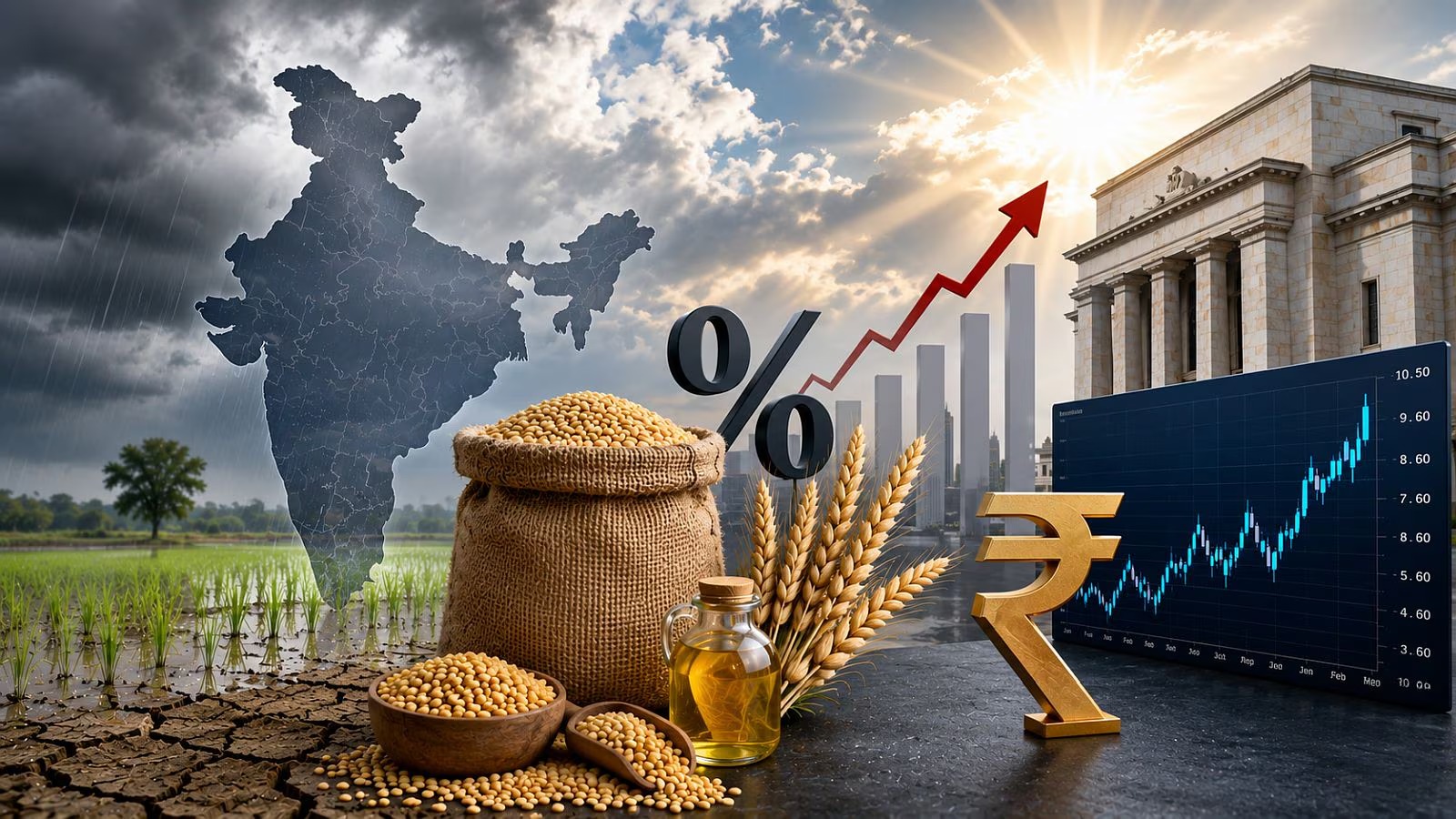
Provisional government data for June 2026 shows rural inflation reaching 4.74%, outpacing urban rates and straining household finances. Driven by rising food and fuel costs, this inflationary trend has dampened rural consumer confidence and reduced spending on non-essential goods, marking a reversal from the relative price stability observed in 2025.
Recent government data shows rural inflation has outpaced urban rates, straining household budgets and dampening consumer confidence across the countryside.
NEW DELHI — Rural India is increasingly bearing the brunt of the nation’s rising cost of living, as provisional data for June 2026 reveals that rural inflation has climbed higher than its urban counterpart. The All India Consumer Price Index (CPI) for June 2026 reached 4.38%, with rural areas recording an inflation rate of 4.74% compared to 3.92% in urban centers.
This development marks a shift from previous trends observed in 2025, when rural inflation remained relatively lower, providing a measure of relief to agrarian communities. The current surge in prices is largely driven by volatility in food and fuel costs, compounded by global geopolitical uncertainties and supply chain disruptions.
Economic Strain on Rural Households
The impact of this inflationary trend is being felt deeply by rural families, whose spending power is under renewed pressure. According to surveys from the Reserve Bank of India (RBI), rural consumer confidence has weakened, with households turning more cautious about economic conditions and non-essential expenditure.
While headline inflation remains a concern, the "inflation perception" among rural households has worsened, with many reporting that their personal finances are increasingly strained by the rising costs of essential goods. Spending intentions have softened significantly, particularly in discretionary and non-essential categories, as families prioritize basic needs amid uncertain income prospects.
Drivers of Price Increases
The recent rise in the Consumer Food Price Index (CFPI), which hit 5.32% in June 2026, has disproportionately affected rural regions, where food constitutes a larger portion of household expenditure.
Food Volatility: Prices for key food items have seen significant fluctuations, contributing to the higher rural inflation rate of 5.45% in the food category, compared to 5.09% in urban areas.
Energy Costs: Increased costs for electricity, gas, and other fuels have also added to the burden, with rural housing inflation for these items reaching 2.66%.
Geopolitical Factors: Ongoing crises in West Asia and a weaker-than-normal monsoon have introduced supply-side constraints that are keeping prices elevated.
Why It Matters
For policymakers and rural communities alike, this divergence in inflation rates is a critical concern. In rural India, where a significant portion of the population relies on agriculture and informal labor, sustained inflation can quickly erode savings and reduce the standard of living. As the government monitors these trends, the challenge lies in balancing price stability with support for rural demand, which is essential for the nation's broader economic growth.
Key Facts at a Glance
June 2026 Headline Inflation: 4.38% (Provisional).
Rural vs. Urban Split: Rural inflation stood at 4.74%, significantly higher than the 3.92% recorded in urban areas.
Food Inflation: The Consumer Food Price Index (CFPI) reached 5.32%, with rural food inflation peaking at 5.45%.
Consumer Sentiment: Surveys indicate a broad-based deterioration in rural consumer confidence, leading to a sharp decline in spending intentions.
FAQ
Why is rural inflation higher than urban inflation?
Rural inflation is being driven primarily by higher food price volatility and supply chain pressures that affect rural markets more acutely, as reported by the Ministry of Statistics and Programme Implementation (MoSPI).
How are rural households coping with these price rises?
Rural households are reporting increased caution, with a notable shift toward reducing discretionary spending and prioritizing essential goods, according to RBI surveys.
What is the outlook for inflation in the coming months?
While the RBI projects inflation to remain within target ranges, households remain cautious, and future inflation expectations have climbed, reflecting concerns over persistent price pressures.
Source: Ministry of Statistics and Programme Implementation (MoSPI) June 2026 Press Release, The Hindu, New Indian Express