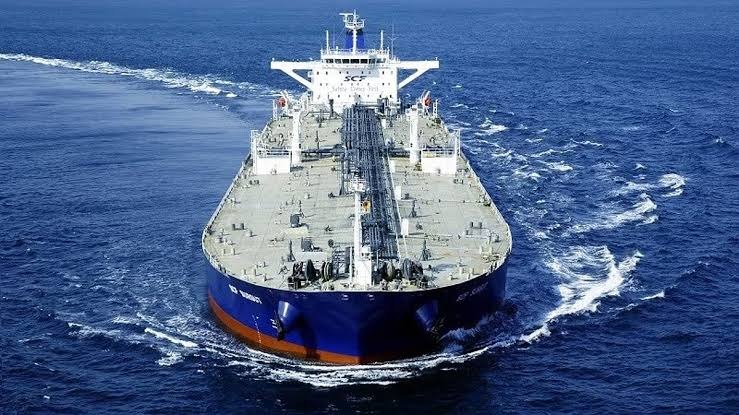
Russia imported roughly 460,000 metric tons of seaborne motor fuels in August 2026 to counter acute domestic shortages. Driven by refinery disruptions from Ukrainian strikes, the rare import push underscores severe pressures on Russian energy infrastructure and forces a temporary reversal of traditional export roles.
Russia imported approximately 460,000 metric tons of seaborne motor fuels, predominantly gasoline, in August 2026 to offset severe domestic shortages.
MOSCOW — Shipping data and industry intelligence reports revealed that Russia imported nearly 460,000 tonnes of seaborne motor fuels throughout August 2026. Traditionally a powerhouse net exporter of petroleum products, Moscow has been forced to reverse its trade flows as persistent Ukrainian drone and missile strikes target domestic refining facilities. The spike in seaborne shipments highlights mounting stress on Russia's energy infrastructure, prompting the state to secure alternative supplies via complex maritime logistics and ship-to-ship transfers.
Infrastructure Strains and Seaborne Supply Chains
The August import figures underscore the compounding impact of sustained military strikes on Russian processing capabilities. Analytics firms including Vortexa and Kpler noted that repeated attacks on regional refineries significantly curtailed domestic output, driving local inventories down and creating spot shortages.
To bypass Western sanctions and obscure trade routes, a significant share of these motor fuel cargoes utilized covert ship-to-ship (STS) transfers off the coasts of Asia and the Middle East, with portions originating from international refiners such as those in India. Tankers carrying refined products have unloaded supplies at alternative domestic hubs, including Arctic ports and Far Eastern terminals, to feed regional distribution networks.
Government Restrictions and Market Implications
The ongoing fuel deficit has forced the Russian government to maintain stringent export bans on gasoline and diesel to preserve inventory for domestic agricultural harvesting and transport demands. Russian Deputy Prime Minister Alexander Novak previously acknowledged the initiation of product imports to stabilize local markets.
For international energy markets, the shift of a major crude producer into a net importer of refined fuels demonstrates the profound economic toll of protracted infrastructural damage, reshaping traditional trade routes across Asia and Europe.
Official Sources Section
Market metrics, seaborne delivery volumes, and trade adjustments were compiled from shipping data analytics provided by Vortexa, Kpler, and reporting agency Reuters.
Quote Section
"According to officials, emergency product imports and strict domestic export limitations are being utilized to stabilize local fuel availability following disruptions to refining capacity."
Why It Matters
The necessity for Russia to import hundreds of thousands of tons of motor fuel alters regional supply dynamics, forcing domestic consumers and commercial transport sectors to absorb higher logistics costs. For global energy markets, the rare import push signals deep vulnerability in refining infrastructure, keeping upward pressure on regional product prices.
Key Facts at a Glance
Russia imported approximately 460,000 metric tons of seaborne motor fuels, primarily gasoline, in August 2026.
The imports mark an unusual reversal for a country that is traditionally a major net exporter of petroleum products.
Shipments arrived via alternative maritime routes and ship-to-ship transfers to mitigate the risk of Western sanctions.
The emergency procurement strategy aims to offset domestic refining deficits caused by persistent attacks on energy infrastructure.
Frequently Asked Questions
Why is Russia importing motor fuels by sea?
Russia turned to seaborne imports to counter domestic fuel shortages triggered by sustained attacks on its oil refineries.
What volume of motor fuel did Russia import in August 2026?
Data indicates that seaborne imports reached approximately 460,000 metric tons for the month.
Where are these refined fuel shipments originating from?
Supplies have been sourced internationally through maritime trade networks, including contributions from Asian refiners via ship-to-ship transfers.
How is the Russian government responding domestically to the shortage?
Moscow has enforced extended bans on gasoline and diesel exports while coordinating emergency rail and seaborne deliveries.
Source: Vortexa, Kpler, Reuters