State Bank of India (SBI) is finalizing a historic $1 billion financing commitment to join global lenders backing Sun Pharmaceutical Industries Limited’s $11.75 billion acquisition of Organon & Co. The move highlights a major regulatory shift allowing state-run Indian banks to finance massive cross-border corporate takeovers.
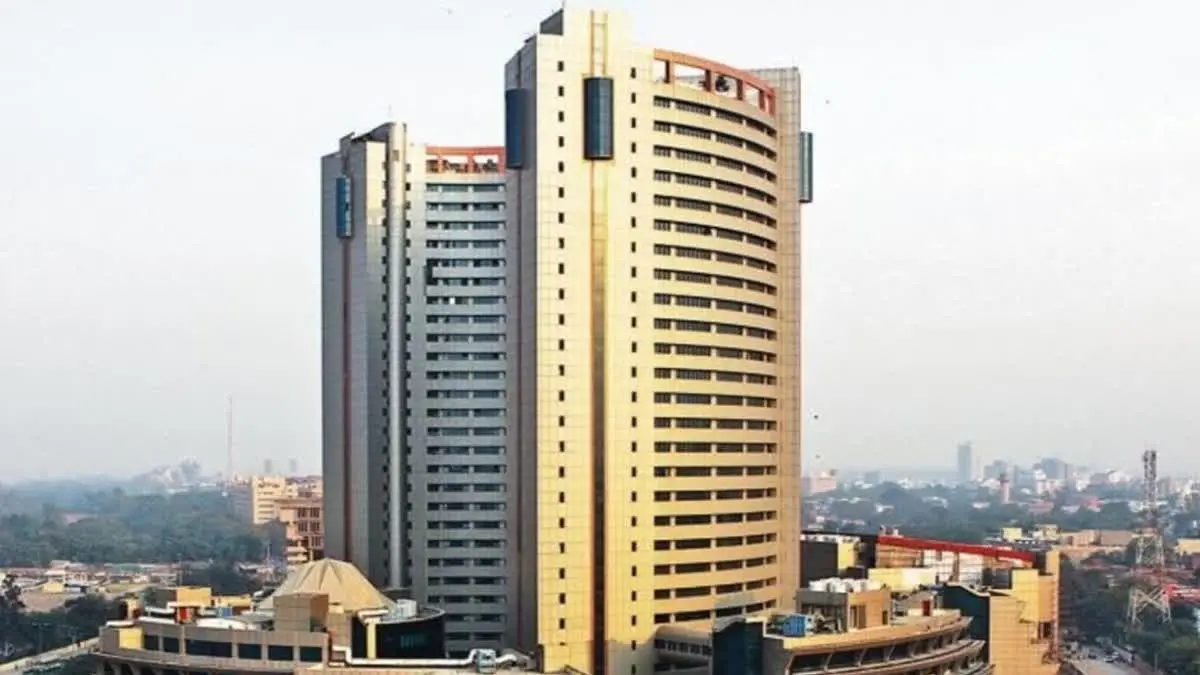
MUMBAI — State Bank of India (SBI) is finalising a landmark commitment of up to $1 billion to join the international financing syndicate backing Sun Pharmaceutical Industries Limited’s acquisition of New York-listed Organon & Co., according to banking sector sources familiar with the matter. The proposed dollar-denominated facility, currently awaiting final board approval, marks one of the single largest acquisition-financing arrangements ever extended by an Indian state-run financial institution for a cross-border corporate takeover. This massive capital commitment places India's largest commercial bank alongside a premier league of global lenders backing the multi-billion-dollar pharmaceuticals transaction.
Strategic Banking Shift and Syndicate Expansion
According to draft loan parameters reviewed by institutional finance desks, SBI’s $1 billion commitment will integrate directly into the broader credit structure being arranged for Sun Pharma. In initial regulatory disclosures filed with the National Stock Exchange of India (NSE), Sun Pharma had outlined that its $11.75 billion enterprise-value purchase of Organon was underwritten by an elite consortium comprising Citigroup Inc., JPMorgan Chase & Co., and Mitsubishi UFJ Financial Group Inc. (MUFG).
The inclusion of SBI signals a historic shift in how large Indian multinationals fund their outward mergers and acquisitions (M&A). Historically, state-run Indian banks were restricted from financing corporate takeovers due to stringent asset-quality mandates and credit risk limitations enforced by financial authorities.
However, recent regulatory modifications introduced by the central bank opened the door for domestic commercial lenders to selectively fund major corporate acquisitions. SBI’s move to deploy $1 billion toward the Sun Pharma-Organon consolidation serves as the first major test of this policy evolution, demonstrating the bank's capacity to compete directly with Wall Street and Japanese mega-banks.
Capital Deployment and Corporate Leverage Targets
Sun Pharma intends to fund the all-cash transaction—structured at $14.00 per share—through a balanced mix of cash reserves and offshore debt. The company’s internal roadmaps indicate that it will deploy between $2 billion and $2.5 billion directly from its existing cash balance to lower the initial gross loan pressure.
The remaining acquisition facility will consist of offshore loans, potential euro-denominated bonds, and the newly established bank syndication lines. To optimize long-term interest burdens, global banking partners are also exploring a post-merger debt swap. This plan would allow existing Organon bondholders to exchange their current holdings for higher-rated Sun Pharma-linked corporate debt.
Despite absorbing Organon’s existing operational liabilities, the combined pharmaceutical business is structured to maintain a healthy credit profile. Backed by Organon’s robust annual cash flow generation, which exceeds $1 billion, the combined entity targets a manageable post-transaction Net Debt-to-EBITDA leverage ratio of 2.3x. This strong cash position is expected to facilitate rapid debt repayment over the next three to five years.
Official Sources Section
Financing details, syndicate bank compositions, corporate debt targets, and regulatory shifts referenced in this coverage are compiled based on initial transaction circulars filed with the National Stock Exchange of India (NSE), banking syndication tracking reports via Bloomberg, and official investor presentations issued by Sun Pharmaceutical Industries Limited.
Institutional Significance and Expert Outlook
Financial analysts emphasize that the partnership between India’s largest drugmaker and its biggest state lender marks a new maturity stage for domestic capital allocation.
"According to banking officials and cross-border M&A strategists, SBI’s direct participation in this multi-billion dollar debt syndicate underscores a structural evolution in India's banking framework," stated a senior institutional banking analyst in Mumbai. "While Indian firms previously had to rely entirely on overseas capital markets or foreign shadow lenders to bankroll multi-billion dollar global takeovers, domestic public-sector balances are now large enough and legally permitted to anchor these massive outbound deals. This preserves long-term credit lines and deepens ties between domestic banks and top-tier corporate conglomerates."
Why It Matters
For Indian banking and financial markets, SBI’s $1 billion loan commitment marks a monumental shift, proving that state-run banks can efficiently back massive global corporate takeovers. For consumers and health networks, this secure funding guarantees the seamless integration of over 70 complex therapies across 150 nations, cementing Sun Pharma’s new status as a top-3 global leader in women’s health and a top-10 force in biosimilars.
Key Facts at a Glance
Major Credit Commitment: State Bank of India (SBI) is processing a major $1 billion funding line to support Sun Pharma's overseas buyout.
Historic Shift: This transaction represents one of the largest offshore acquisition-financing facilities ever managed by an Indian public-sector bank.
Syndicate Members: If finalized, SBI will join global banking giants Citigroup, JPMorgan Chase, and MUFG in the underwriting group.
Transaction Value: The underlying acquisition of New York-listed Organon & Co. carries an absolute enterprise valuation of $11.75 billion.
Frequently Asked Questions (FAQ)
Why is SBI's $1 billion funding for the Sun Pharma deal considered historic?
Historically, Indian public sector banks were heavily restricted from participating in corporate takeover financing due to strict risk regulations. SBI's multi-million dollar commitment marks one of the first major test cases since regulators permitted local lenders to fund large outbound M&A deals.
Which other international banks are part of the Sun Pharma financing syndicate?
SBI is set to join an established global banking group that has already committed to underwriting the transaction facilities, which includes Citigroup Inc., JPMorgan Chase & Co., and Mitsubishi UFJ Financial Group Inc. (MUFG).
How does Sun Pharma plan to balance its debt after absorbing Organon?
Sun Pharma will deploy roughly $2 billion to $2.5 billion from its own cash reserves to reduce total debt requirements. The company plans to use Organon’s robust annual cash flow of over $1 billion to rapidly deleverage, targeting a stable Net Debt-to-EBITDA ratio of 2.3x.
Source: Official corporate M&A documentation compiled by the National Stock Exchange of India (NSE), investor relations filings via Sun Pharmaceutical Industries Limited, and banking syndication registers tracked by The Economic Times.