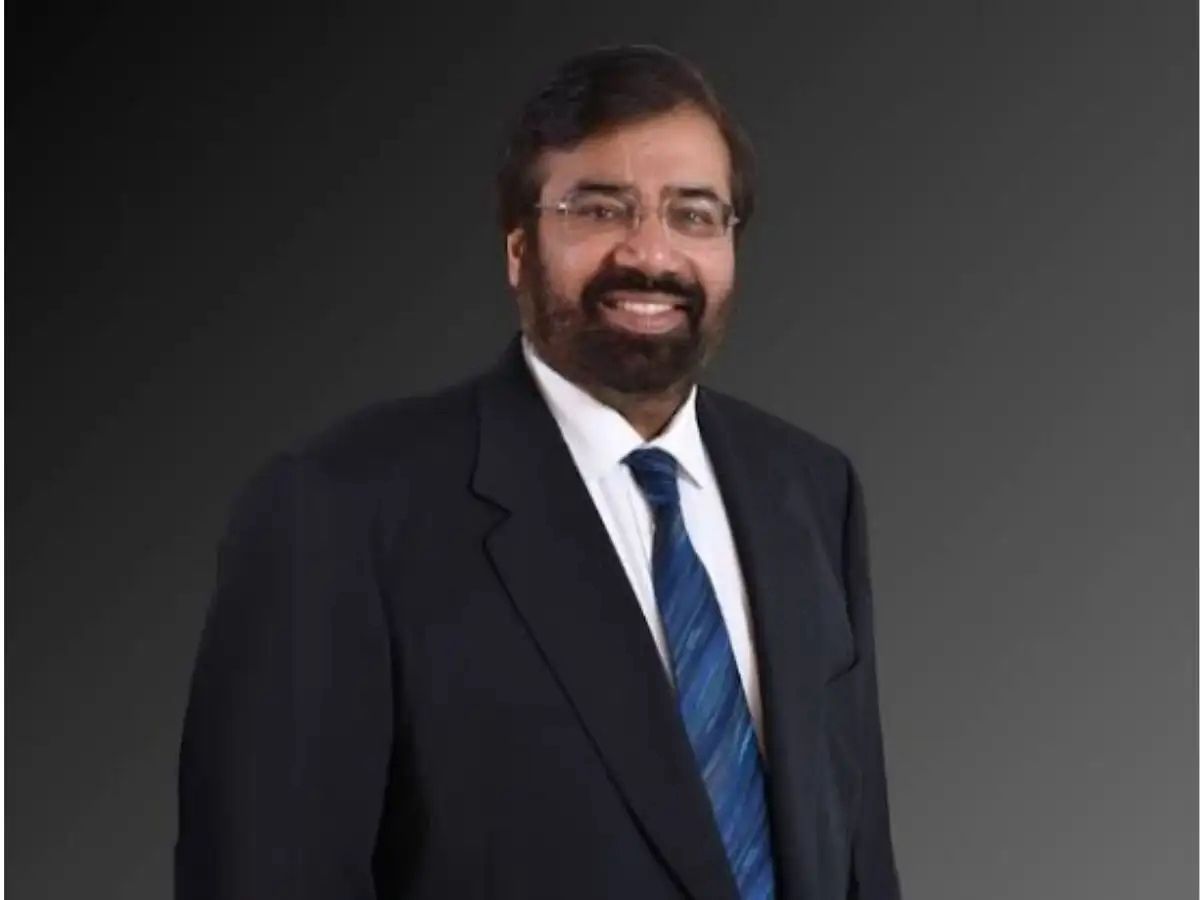
Industrialist Harsh Goenka questioned why Indian public hoardings remain dominated by politicians and film stars, contrasting it with China's practice of featuring scientists on giant public screens. In an August 31, 2026 statement on social media, Goenka emphasized that public figures celebrated today shape future generations' aspirations.
Backed by official public commentary, prominent industrialist Harsh Goenka has sparked a national debate over why India’s public advertising spaces bypass scientists and educators in favor of politicians and actors.
Igniting a widespread conversation regarding societal role models and public messaging, RPG Group Chairman Harsh Goenka has publicly challenged India's prevailing billboard culture. According to statements monitored on August 31, 2026, Goenka took to social media to contrast domestic public displays with international practices, pointing out that while China actively features scientists on giant public screens, Indian urban landscapes remain overwhelmingly saturated with political figures and film celebrities.
The critique underscores a broader philosophical question about cultural priorities, institutional recognition, and the underlying messages transmitted to younger generations across public infrastructure.
Evaluating Cultural Priorities, Aspirations, and Public Spaces
Analyzing the impact of visual dominance in public squares involves assessing what values societies project onto their citizens. According to commentary shared by industrial leaders and cultural observers, key considerations include:
The Power of Aspiration: Goenka emphasized that what a society chooses to celebrate publicly directly influences what children and young adults aspire to become.
Alternative Nation-Builders: The critique advocates for shifting public visibility toward foundational contributors—such as scientists, teachers, doctors, and technological innovators—who drive long-term national progress.
Juxtaposing Global Models: Highlighting practices in nations like China, the discussion points to the strategic use of giant public screens to honor academic and scientific excellence rather than commercial or political branding.
Broader Cultural Context: The remarks arrived amid growing public discussions surrounding popular culture, including recent viral debates over technology integration and automated novelties across Indian retail and civic sectors.
Why It Matters
The practical implications of what a society chooses to display on public billboards extend deeply into youth psychology, educational motivation, and national identity. For policymakers, urban planners, and municipal corporations, rethinking public advertising spaces offers an opportunity to inspire scientific curiosity and academic excellence among students. For citizens and consumers navigating commercialized urban environments, shifting toward merit-based public recognition fosters a culture that values intellectual achievement alongside entertainment and politics.
Key Facts at a Glance
Commentator: Harsh Goenka, Chairman of RPG Group.
Core Comparison: China’s utilization of giant public screens for scientists versus India's reliance on political and cinematic billboards.
Proposed Honorees: Scientists, teachers, doctors, innovators, and foundational nation-builders.
Underlying Thesis: Public visibility shapes future generational aspirations and career choices.
FAQ Section
What did Harsh Goenka say about public hoardings in India?
Harsh Goenka questioned why Indian public billboards and giant screens are predominantly occupied by politicians and film stars, arguing that nation-builders like scientists and teachers should be featured instead.
How do public displays in China compare to India according to the remarks?
According to the commentary, China actively utilizes public giant screens to honor scientists, whereas Indian public spaces are largely saturated with political and entertainment figures.
Why is public visibility considered important for young people?
Industry leaders and educators argue that what a society chooses to celebrate publicly shapes the aspirations, career goals, and role models of children and growing generations.
Where can the original statements and public reactions be reviewed?
The original commentary and ensuing public discussions are archived on digital platforms including The Economic Times and social media networks.
Source: The Economic Times, Harsh Goenka X Post Archive, LiveMint