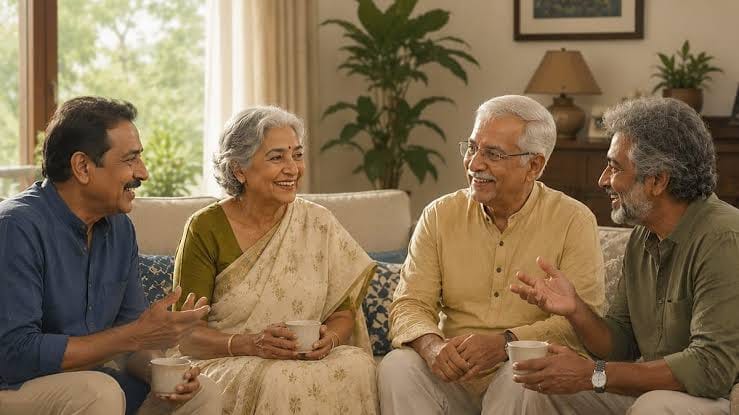
India’s senior living sector is set to attract over Rs 13,000 crore in investments, driving market valuation from Rs 30,000 crore to over Rs 1 lakh crore by 2030. According to Colliers India, organized inventory will quadruple to 100,000 units, with expansion led by Tier II/III cities and spiritual hubs.
NEW DELHI — Driven by a growing elderly population and changing socio-economic structures, India’s senior living real estate sector is entering a phase of rapid growth. Developers, operators, and institutional investors are set to deploy more than Rs 13,000 crore into senior living projects over the next three to four years. According to real estate advisory firm Colliers India, this massive capital deployment is expected to quadruple the market size from its current valuation of approximately Rs 30,000 crore to cross Rs 1 lakh crore by 2030.
The primary keyword senior living project developments are shifting from a niche residential category into a structured, institutional-grade asset class. This transition is supported by a rising preference among elderly citizens for independent, professionally managed, and healthcare-linked housing solutions.
Market Expansion and Capital Inflow
Data released by Colliers India shows that organised senior living inventory currently stands at approximately 25,000 units across the country, translating to a low penetration rate of roughly 1.3 percent. With capital commitments totaling over Rs 13,000 crore announced since 2025, the sector is slated to add nearly 75,000 new units. This expansion will increase the organized supply to approximately 100,000 units by 2030, bringing the overall penetration rate closer to 4 percent.
The overall demand for dedicated senior housing is projected to reach 30 lakh units by 2030, up from the current demand of 20 to 22 lakh units. India’s elderly demographic—individuals aged 60 and above—is expanding steadily and is expected to reach 340 million by 2050.
Strategic Shift to Tier II, Tier III Cities, and Spiritual Hubs
While Tier I metro cities have historically accounted for the majority of senior housing, developers are increasingly turning toward non-metro locations. Colliers estimates that 30 to 40 percent of all upcoming senior living project launches will take place in Tier II and III cities, as well as prominent spiritual destinations.
Locations emerging as primary development hubs include:
Southern & Western Centers: Coimbatore, Puducherry, and Vadodara.
Northern Centers: Dehradun and Khopoli.
Spiritual Hubs: Ayodhya, Vrindavan, and Tirupati.
These regional centers offer lower acquisition costs, lower living expenses, calmer environments, and improving medical care infrastructure, making them preferred choices for retirees.
Corporate Players and Strategic Partnerships
Major real estate developers and specialized eldercare operators are aggressively expanding their portfolios through joint ventures and independent developments:
Antara Senior Care: The Max India subsidiary is planning a development pipeline of 1.5 million square feet annually to construct 8 to 10 new senior living communities over the next five years, while expanding its Care Home capacity to 1,200 beds.
Shremoha: A joint venture platform between the Shrem Group and Age Care Labs' Emoha Elder Care has partnered with Tru Realty to deliver 250 residences at the Kekarav project in Pune, alongside a multigenerational partnership with KREEVA in Gurugram.
Lloyds Realty: Developing a 143-acre integrated township in Khopoli, Maharashtra, featuring dedicated senior living and healthcare facilities.
Pioneer Urban: Constructing a 164-unit senior housing project named 'Advait' across 2.6 acres in Gurugram.
Official Statements
"India's senior living market is entering a period of accelerated growth, driven by strong demographic shifts and evolving socio-economic dynamics," said Badal Yagnik, Chief Executive Officer and Managing Director at Colliers India. "With a rapidly expanding elderly population and rising demand for professionally managed senior housing and care solutions, the market presents significant long-term growth opportunities."
"The future of senior living is not about care alone but about creating places where people can continue to live with purpose, independence and meaningful human connections," stated Saumyajit Roy, Co-founder and CEO of Emoha Elder Care.
According to industry analysts, developers are increasingly integrating specialized healthcare, continuous care facilities, and technology-driven services—such as emergency monitoring and medical concierge services—directly into residential offerings.
Why It Matters
The growth of organized senior housing marks a shift in Indian urban living. For citizens and retirees, modern senior communities offer independent living options with structured medical support and social engagement, reducing reliance on informal care networks.
For real estate investors and developers, the sector provides stable, long-term returns backed by demographic demand, insulating capital from traditional economic cycles. For local economies in Tier II and III cities, these developments boost local health services and generate demand for skilled healthcare and hospitality professionals.
Key Facts at a Glance
Investment Commitments: Over Rs 13,000 crore to be deployed in senior housing projects in the next 3 to 4 years.
Market Valuation: Projected to increase fourfold from Rs 30,000 crore to cross Rs 1 lakh crore by 2030.
Inventory Expansion: Organized housing supply to grow from 25,000 units to approximately 100,000 units by 2030.
Geographic Expansion: 30 to 40 percent of upcoming project launches located in Tier II/III cities and spiritual destinations.
Penetration Growth: Sector penetration expected to rise from 1.3 percent to nearly 4 percent.
Frequently Asked Questions (FAQ)
What is driving the growth of the senior living market in India?
Growth is driven by India's expanding elderly demographic, nuclear family structures, higher disposable incomes, and increasing demand for active, independent living communities backed by on-demand healthcare.
How does a senior living project differ from a regular residential project?
A senior living project is custom-designed for adults aged 55 and older, featuring age-friendly architecture (such as anti-skid flooring and emergency response systems), non-step access, continuous medical care, shared dining, and dedicated recreational facilities.
Which cities are emerging as major hubs for senior living developments?
Key emerging hubs include Tier II and III cities such as Coimbatore, Dehradun, Vadodara, Puducherry, and Khopoli, alongside major spiritual destinations including Ayodhya, Vrindavan, and Tirupati.
What is the projected market size of Indian senior housing by 2030?
According to report estimates from real estate firm Colliers India, the market will cross Rs 1 lakh crore by 2030, expanding four times from its current base of Rs 30,000 crore.
Source: Official releases from Colliers India, corporate disclosures from Max India / Antara Senior Care, and announcements by Age Care Labs (Emoha Elder Care).