The central government has formed a high-level committee headed by Pankaj Kumar Singh to address North Bengal hill issues. Announced by Union Home Minister Amit Shah in Siliguri alongside Chief Minister Suvendu Adhikari, the panel aims to secure a lasting political solution within the Indian Constitution.
A high-level committee is established to pursue a permanent political solution for the hill areas of West Bengal.
SILIGURI: In a significant political development, Union Home Minister Amit Shah announced the formation of a special high-level committee to negotiate and secure a permanent resolution to long-standing issues concerning the hill areas of West Bengal. The announcement came on August 22, 2026, following an extensive stakeholder meeting held in Siliguri. The collaborative initiative brings together central leaders, state administrators, and prominent regional representatives to address complex questions of identity and constitutional recognition.
High-Level Stakeholder Consultations in Siliguri
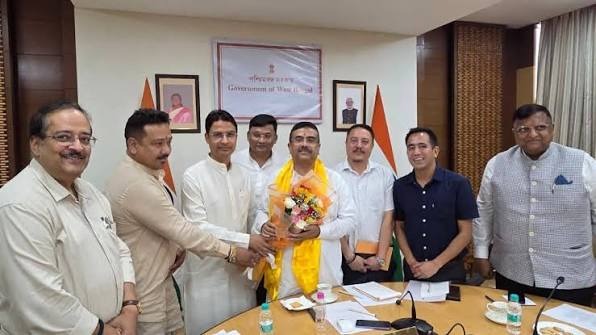
The high-level deliberations took place under the chairmanship of Union Home Minister Amit Shah, with the participation of West Bengal Chief Minister Suvendu Adhikari and key regional delegates. Discussions centered on the historical grievances of the hill population, focusing on demands related to cultural identity, regional autonomy, and constitutional safeguards.
To finalize the operational modalities and framework of the permanent solution, an intermediary committee has been constituted under the leadership of former deputy National Security Advisor and interlocutor Pankaj Kumar Singh. The panel is tasked with bridging gaps between local political factions and the central government to formulate actionable recommendations.
Roadmap for Regional Stability and Development
During the consultations, central leaders assured participants that community demands would be reviewed sympathetically under the framework of the Constitution of India. To guarantee that pending developmental hurdles are cleared, authorities committed to allocating adequate financial support from the central exchequer.
The resolution mechanism aims to prevent political deadlock and foster sustainable economic growth across Darjeeling, Kalimpong, and surrounding hill tracts. Local businesses, tourism operators, and residents stand to benefit from long-term administrative stability, which has faced periodic disruptions due to historic agitations.
Official Sources Section
Details regarding the formation of the committee and administrative decisions were outlined according to official announcements and press releases from the Press Information Bureau (PIB) and News on Air.
"According to official announcements from the Ministry of Home Affairs and regional briefings, a committee chaired by former deputy National Security Advisor Pankaj Kumar Singh has been established to finalize the modalities for a permanent political solution in the North Bengal hills."
Why It Matters
Reaching a permanent political and administrative accord in North Bengal is critical for regional peace, economic development, and social harmony. Resolving core identity and governance demands safeguards the livelihoods of local citizens and strengthens administrative cohesion between state and federal institutions.
Key Facts at a Glance
Committee Head: Former deputy National Security Advisor Pankaj Kumar Singh.
Key Leadership Involved: Union Home Minister Amit Shah and West Bengal Chief Minister Suvendu Adhikari.
Core Objective: Establish a permanent political solution and address identity recognition under the Constitution of India.
Stakeholder Representation: Included regional leaders from the Gorkha Janmukti Morcha (GJM), GNLF, and local legislative representatives.
Frequently Asked Questions
Why was the new committee formed for North Bengal?
The committee was formed to address long-standing political, social, and identity demands of the hill population and to formulate a permanent political solution.
Who is leading the newly formed committee?
The panel is chaired by former deputy National Security Advisor and interlocutor Pankaj Kumar Singh.
Which leaders participated in the Siliguri meeting?
The meeting was led by Union Home Minister Amit Shah and West Bengal Chief Minister Suvendu Adhikari, alongside MPs, local legislators, and heads of various hill political organizations.
What are the primary goals of the administrative initiative?
The initiative aims to resolve regional autonomy concerns, provide targeted central funding, and achieve lasting stability in Darjeeling and surrounding areas.
Summary:
Source: Press Information Bureau (PIB)