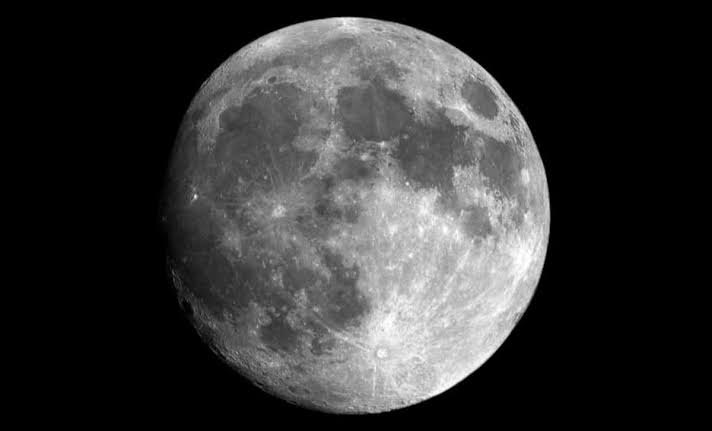
ISRO has detected strong evidence of subsurface water-ice within permanently shadowed craters near the Moon's south pole using Chandrayaan-2's radar instrument. The discovery provides vital resources for future lunar bases and reinforces India's leading role in modern space exploration.
NEW DELHI — The Indian Space Research Organisation (ISRO) has uncovered significant scientific evidence pointing to the presence of subsurface water-ice hidden beneath permanently shadowed craters near the Moon's south polar region.
The findings, published following advanced radar analysis of data collected by the Chandrayaan-2 orbiter, reshape our understanding of lunar composition. By identifying potential water-ice reserves in deep-freeze craters where temperatures plummet to minus 248 degrees Celsius, the discovery provides critical resources for future crewed lunar exploration and base construction.
Radar Polarimetry and Subsurface Volatiles
The latest insights were derived using the Dual Frequency Synthetic Aperture Radar (DFSAR) instrument onboard the Chandrayaan-2 orbiter. Scientists analyzed "doubly shadowed craters" located within permanently shadowed regions (PSRs) that never receive direct sunlight.
According to official ISRO press releases, mission disclosures, and scientific updates:
Radar Methodology: Researchers applied advanced radar polarimetric techniques—examining Circular Polarization Ratio (CPR) and Degree of Polarization (DOP) values—to distinguish genuine ice signatures from surface roughness.
Target Craters: The analysis identified strong ice scattering signatures beneath the floors of multiple doubly shadowed craters in the south polar region, most notably within a 1.1-kilometer-wide crater inside the Faustini basin.
Morphological Evidence: Radar findings are supported by distinctive lobate-rim structures, indicating impacts that excavated ice-rich material from beneath the lunar regolith.
Sustaining Exploration: The confirmed presence of accessible water-ice validates the feasibility of In-Situ Resource Utilization (ISRU) for upcoming lunar missions.
Official Sources Section
Quote Section
According to statements released by ISRO scientists regarding the lunar radar findings:
"These findings provide important new insights into the distribution of lunar polar volatiles and have significant implications for future lunar exploration missions, including the identification of potential ice-bearing regions for future landing and resource utilization activities."
Why It Matters
For international space agencies, aerospace engineers, and strategic planners, localized lunar water-ice is the ultimate commodity for deep space exploration. Water can be converted into drinking supplies, breathable oxygen, and hydrogen rocket fuel, allowing future astronauts to "live off the land" rather than launching every kilogram from Earth at enormous financial cost.
Key Facts at a Glance
Space Agency: Indian Space Research Organisation (ISRO).
Mission Source: Chandrayaan-2 Orbiter (DFSAR instrument).
Key Discovery: Subsurface water-ice signatures in doubly shadowed craters near the lunar south pole.
Strategic Impact: Crucial for In-Situ Resource Utilization (ISRU) and future crewed lunar bases.
FAQ Section
What did Chandrayaan-2 discover on the Moon?
Chandrayaan-2 data revealed strong evidence of subsurface water-ice hidden inside permanently shadowed craters near the Moon's south pole.
How was the subsurface ice detected?
Scientists used the orbiter's Dual Frequency Synthetic Aperture Radar (DFSAR) and advanced radar polarimetric methods to analyze scattering signatures and polarization values.
Why is water-ice important for future Moon missions?
Lunar water can be extracted and converted into drinking water, breathable oxygen, and hydrogen rocket fuel, making long-term human space exploration sustainable.
Where can researchers review official ISRO mission data?
Official scientific papers, mission updates, and press releases are published directly on the ISRO and academic research portals.
Source: ISRO, NASA Science, NDTV, India Today