While the exterior branding looks completely identical, McDonald's locations in India feature a entirely customized menu with zero beef or pork products. Operating distinct, segregated kitchens, the chain drives high transaction volumes through unique local creations like the McAloo Tikki, sourcing over 90% of its ingredients from domestic agricultural networks.
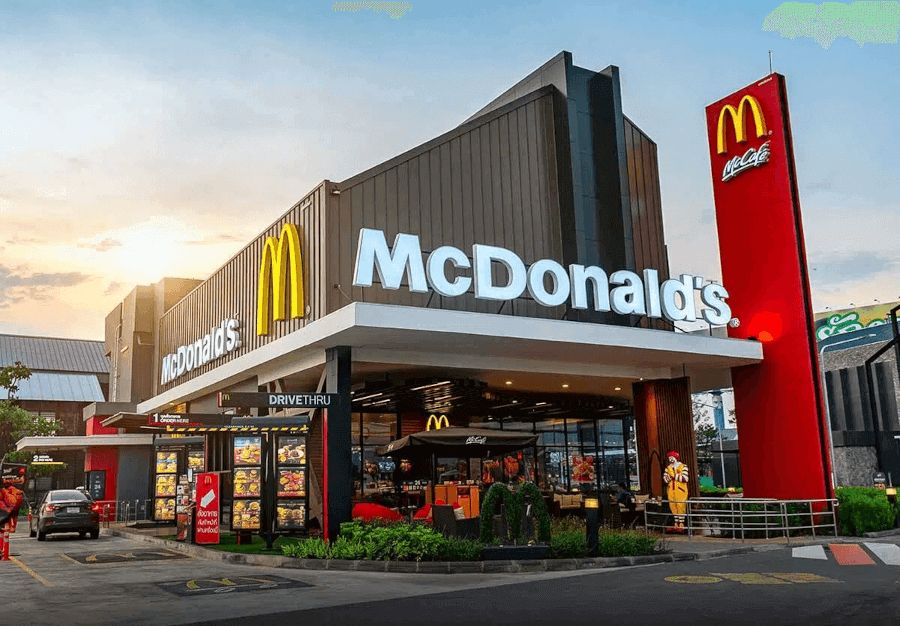
NEW DELHI — The physical storefronts, Golden Arches, and standardized layouts of McDonald’s outlets operating across India present an immediate sense of familiarity to international travelers. However, a closer look at the actual operational framework reveals a radically distinct culinary reality. Facing specific cultural dynamics, religious dietary guidelines, and a deeply rooted vegetarian consumer base, the fast-food giant has completely overhauled its traditional supply chain and menu architecture to sustain its expansion across the South Asian nation.
The evolution of the India-specific menu marks a case study in localized corporate strategy, orchestrated by regional master franchisees Connaught Plaza Restaurants (operating in northern and eastern regions) and Westlife Foodworld (managing western and southern territories). By entirely eliminating beef and pork from its corporate kitchens, the brand has substituted global fixtures with chicken, fish, and an expansive lineup of proprietary vegetarian items. This strategic pivot highlights how international corporations must fundamentally adapt their core assets to capture massive, culturally distinct consumer markets successfully.
The Dual-Kitchen System and the Elimination of Traditional Mainstays
The structural blueprint of McDonald’s operations in India relies heavily on strict segregation protocols to satisfy the religious and cultural sensitivities of the local population.
According to statutory corporate disclosures and operational guidelines published by Westlife Foodworld, every localized restaurant operates a meticulously segregated dual-kitchen architecture. Staff members working the assembly lines follow distinct color-coded uniforms, separate cooking utensils, and dedicated deep-frying stations to ensure that vegetarian items never come into contact with meat products. This rigid operational division is a regulatory and social necessity in a nation where a massive segment of the purchasing public adheres to strict lacto-vegetarian diets.
From Potatoes to Paneer: Breaking Down the Regional Flavors
For a consumer looking at the display boards in Mumbai or New Delhi, the primary options look entirely different from Western equivalents. The menu focuses on elevated spice profiles and regional dairy substitutes.
The Anatomy of Local Bestsellers
Instead of the standard Big Mac, the flagship item is the Maharaja Mac, which utilizes dual grilled chicken patties seasoned with local spices. However, the true volume drivers for the business sit within the vegetarian columns.
The domestic culinary inventory prioritizes four highly successful localized configurations:
The McAloo Tikki: A distinct burger featuring a spiced potato and peas patty, coated in breadcrumbs and served with sweet tomato mayonnaise, designed to mirror traditional Indian street food.
The McSpicy Paneer: Utilizing thick blocks of traditional Indian cottage cheese (paneer), breaded in a spicy batter and fried to cater to local texture and heat preferences.
The Veg Pizza McPuff: A rectangular savory pastry shell stuffed with a mix of tomato sauce, mozzarella, carrots, peas, and sweet corn.
Localized Breakfast Protocols: Incorporating regional items alongside standard egg offerings during early morning operations to match regional breakfast staples.
Supply Chain Realities and Agrarian Impact
The localized menu has also altered agricultural infrastructure across several Indian states. To maintain uniformity in its potato-based products, the company had to build new agricultural supply networks from scratch.
"According to corporate logistics briefs and agricultural supplier reports, the requirements for specific processing-grade potatoes led to long-term contract farming partnerships in Gujarat. Regional cooperatives state that localized sourcing has substantially insulated farmers from seasonal market volatility."
By training local cultivators to grow specific processing varieties like the Santana and Innovator potatoes, the fast-food enterprise created a highly resilient domestic sourcing framework. Company filings indicate that over 90% of all raw ingredients used across Indian outlets—including dairy proteins, lettuce, and specialized spice blends—are procured directly from domestic agricultural suppliers, bypassing expensive import channels and supporting local agrarian sectors.
Why It Matters
For international travelers and culinary observers, the sharp contrast within India's quick-service restaurant industry illustrates the power of corporate adaptation. It proves that global brand consistency does not require a rigid, identical menu, but can instead thrive by embracing local customs.
For investors, agricultural businesses, and retail market analysts, the success of this menu overhaul underscores the immense value of hyper-localization. By realigning its global supply chain to match the cultural boundaries of the Indian consumer, the enterprise has unlocked sustainable revenue growth, proving that entering complex emerging markets requires deep structural flexibility.
Key Facts at a Glance
Total Menu Redirection: McDonald's locations across India do not serve any beef or pork products, relying entirely on chicken, fish, and vegetarian proteins.
Strict Segregation: Kitchens utilize completely separate preparation zones, fryers, and utensils to keep vegetarian and non-vegetarian foods strictly divided.
The Spiced Flagship: The brand's famous Big Mac is replaced by the Maharaja Mac, made with spiced chicken or veg patties.
Domestic Sourcing: Over 90% of all ingredients, including specialty potatoes grown in Gujarat, are sourced directly from domestic Indian farmers and processors.
Frequently Asked Questions
What is the equivalent of the Big Mac on the Indian menu?
The closest equivalent is the Maharaja Mac, which features a similar double-decker structure but uses spiced chicken patties or a premium veg formulation instead of beef.
Are the french fries served in India completely vegetarian?
Yes, according to official company ingredient listings, the fries in India are cooked in 100% vegetable oil and contain no animal-based flavorings or extracts.
Who manages the McDonald's brand operations across India?
Operations are split between two regional master franchisees: Connaught Plaza Restaurants Private Limited (CPRL) in the North and East, and Westlife Foodworld Limited in the South and West.
Official Sources Section:
Corporate governance reports and financial statements published by Westlife Foodworld.
Menu ingredient specifications and allergen declarations maintained by McDonald's India.
Agricultural supply chain case studies archived by the Ministry of Food Processing Industries, Government of India.
Retail franchise market logs tracked by the Ministry of Consumer Affairs, Food and Public Distribution.