Major European index futures—including the Euro Stoxx 50, DAX, and FTSE contracts—show steady trading volumes across continental exchanges. Driven by institutional hedging demands and updated corporate earnings outlooks, these centrally cleared derivatives continue to provide vital liquidity and risk-management capabilities for global market participants.
European equity index futures, including the Euro Stoxx 50, DAX, and FTSE contracts, reflect resilient trading volumes amid shifting macroeconomic indicators.
Tracking European Index Futures Dynamics
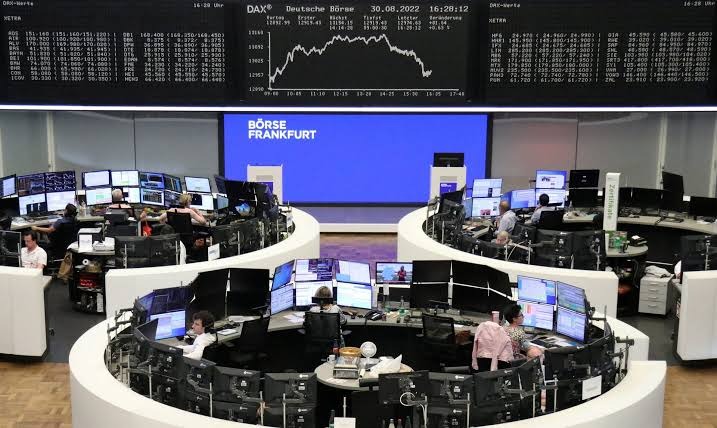
FRANKFURT / LONDON — European benchmark derivatives, including the Euro Stoxx 50, DAX, and FTSE index futures, demonstrated consistent liquidity patterns during recent trading sessions. As institutional investors evaluate corporate profitability trajectories and evolving interest rate expectations, these derivative contracts serve as primary instruments for portfolio hedging and risk management.
According to market analytics reports, the Euro Stoxx 50 futures contract (STXEc1) continues to function as a core barometer for Eurozone blue-chip sentiment. Concurrently, Frankfurt-traded DAX futures (FDXc1) and London-indexed FTSE contracts (FFIc1) reflect regional adjustments as market makers price in sector-specific adjustments across manufacturing, finance, and technology verticals.
Market Liquidity and Hedging Volatility
The structural demand for European index derivatives remains supported by systemic hedging requirements among institutional asset managers. Trading desks report steady order flow across front-month and quarterly expiry contracts, minimizing slippage during periods of intraday price discovery.
Financial analysts note that stability in underlying equity indices—bolstered by modest upward revisions in corporate earnings projections across Eurozone and UK markets—has helped anchor derivative pricing ranges, keeping implied volatility metrics within historically balanced corridors.
Official Sources Section
According to market data updates and exchange operational releases from the Deutsche Börse Group and derivative platforms like Eurex, index futures trading metrics are continuously monitored to ensure transparent price settlement. Reference pricing and historical data feeds are cataloged via institutional analytics providers including Investing.com Euro Stoxx 50 Tracker and Barchart Futures Monitoring.
Quote Section
"According to officials, the continuous liquidity and robust volume across major European index futures underscore the market's ongoing reliance on transparent, centrally cleared derivative mechanisms for risk mitigation."
Why It Matters
For institutional investors, corporate treasuries, and portfolio managers, efficient access to liquid index futures provides vital flexibility to hedge equity exposure against macroeconomic shocks. Stable contract pricing directly influences risk management strategies, cost of capital, and cross-border asset allocation decisions for global funds operating within European markets.
Key Facts at a Glance
Primary Benchmarks: Euro Stoxx 50 (STXEc1), DAX (FDXc1), and FTSE (FFIc1) futures.
Core Function: Institutional portfolio hedging, directional speculation, and price discovery.
Execution Venues: Regulated European derivatives platforms including Eurex and affiliated exchange desks.
Settlement Structure: Centrally cleared cash-settled contracts across multiple expiry cycles.
FAQ Section
What do Euro Stoxx 50 futures track?
Euro Stoxx 50 futures track the underlying performance of leading blue-chip corporations spanning multiple sectors across the Eurozone.
Why are DAX and FTSE futures important for investors?
DAX and FTSE futures allow market participants to hedge or gain targeted exposure to the German and UK equity markets, respectively, utilizing standardized contracts.
Where are these index futures primarily traded and cleared?
Major European index derivatives are traded and centrally cleared through established electronic exchanges and clearinghouses, such as the Deutsche Börse-operated Eurex network.
How do market participants utilize these derivative contracts?
Institutional investors primarily use index futures for risk management, portfolio rebalancing, and hedging against short-term market volatility.
Source: Deutsche Börse Group, Eurex Exchange, Investing.com Euro Stoxx 50 Tracker, Barchart Futures Monitoring