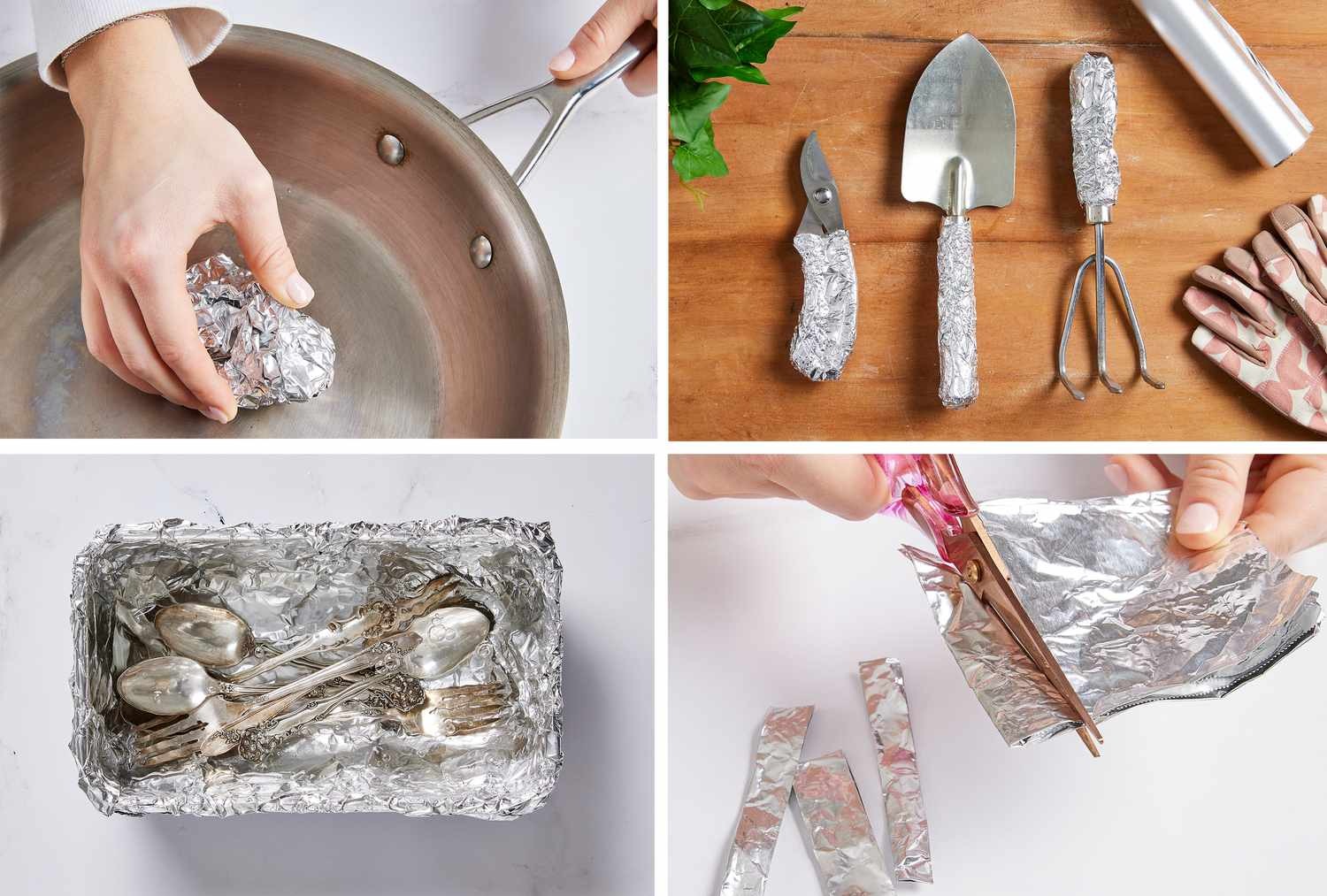
Recent studies by global energy and agricultural organizations show that finding ways to reuse aluminium foil at home can significantly reduce municipal waste and household expenses. Practical methods include using crumpled foil as heavy-duty pan scrubbers, building window heat shields, creating garden pest barriers, and compressing scraps into large balls for optimal recycling.
LONDON — A compilation of environmental lifecycle assessments and energy efficiency research has highlighted how simple circular habits can dramatically reduce household carbon footprints. Specifically, studies from global energy agencies and agricultural institutions show that integrating ways to reuse aluminium foil can play a key role in reducing municipal waste. As governments and municipal bodies push for stricter waste-reduction policies in 2026, researchers argue that shifting away from a single-use mindset toward creative secondary applications of household materials is essential.
This technical overview details seven scientifically backed, highly practical ways to reuse aluminium foil in daily life to conserve energy, cut shopping bills, and reduce landfill contributions.
The Rising Footprint of Single-Use Kitchen Waste
Aluminium production is highly resource-intensive, requiring bauxite mining and massive electrical inputs. However, data from the European Aluminium Foil Association (EAFA) shows that recycling or extending the life of existing foil saves up to 95% of the energy needed to produce virgin material. Despite its high recyclability, millions of tons of consumer foil end up in global landfills annually.
By cleaning and maintaining used sheets, consumers can directly lower their household's environmental footprint.
7 Proven Ways to Reuse Aluminium Foil
1. Cleaning Residue as an Heavy-Duty Utensil Scrubber
Instead of reaching for single-use plastic sponges, consumers can crumple lightly used, rinsed foil into a tight ball. The rough metallic texture makes it an exceptional scrubber for cast-iron skillets, stainless steel pots, barbecue grills, and traditional Indian tawas.
Important Note: To avoid permanent damage, do not use this method on non-stick, ceramic, or Teflon-coated cookware, as the metal will scratch the protective layer.
2. Repelling Agricultural Pests in Home Gardens
For urban gardeners, reflective barriers offer a chemical-free pest control solution. Placing thin strips of cleaned, used foil around the base of potted herbs or vegetable beds confuses flying pests. According to a study published in the Journal of Sustainable Agriculture, reflective aluminium mulch effectively deters aphids, thrips, and whiteflies by disrupting their visual navigation systems, helping plants thrive without artificial pesticides.
3. Creating Window Heat Shields During Peak Summer
One of the most effective ways to reuse aluminium foil is to build seasonal radiant barriers. Taping clean sheets of used foil to sun-facing window panes with the reflective, shiny side facing outward helps reflect intense solar radiation away from the home. According to data verified by the U.S. Department of Energy (DOE), installing temporary radiant foil barriers can lower home cooling costs by 5% to 10% in hot climates.
4. Preserving and Storing Non-Acidic Food Leftovers
Clean, unruptured foil sheets can easily be hand-washed, dried, and used a second or third time to wrap dry leftovers, bread, rotis, or snacks. A comprehensive lifecycle assessment published in ScienceDirect confirms that multiple-use cycles for household foil generate a significantly lower net environmental impact than immediate disposal or incineration.
Best Practice: Avoid wrapping highly acidic foods such as tomatoes, citrus, or vinegar-heavy dishes as the acids can corrode the metal, causing trace amounts of aluminium to transfer to the food.
5. Shaping Makeshift funnels for Dry Ingredients
Rather than purchasing plastic kitchen gadgets, a sheet of used foil can be rolled and molded into a rigid cone. This creates an excellent, zero-cost funnel for transferring spices, flour, sugar, lentils, or grains into jars and narrow-mouth containers. Because dry ingredients leave no sticky residue, the foil funnel can easily be folded flat and stored for future use.
6. Maximizing Radiator and Heater Efficiency in Winter
In colder climates, used foil acts as an effective heat reflector. Attaching a flat sheet of foil to a piece of cardboard shiny side facing inward and positioning it directly behind a space heater or radiator panel prevents warmth from absorbing into cold masonry walls. A controlled thermodynamic study conducted at the University of Salford’s Energy House Labs proved that this method substantially improves indoor temperature retention and lowers heating energy consumption.
7. Compact Scrap Balling for Efficient Recycling
When a piece of foil is finally too torn or dirty to reuse aluminium foil directly, it should never be discarded as loose scraps. Loose, small flakes of metal easily slip through sorting machinery at regional recycling facilities and end up in the landfill stream. Instead, consumers should continuously press small pieces together into a solid, compact metal ball. Once the ball reaches a minimum diameter of three inches, regional sorting machines can easily identify and route it to the metal recycling line.
Official Sources Section
The data and guidelines regarding the thermodynamic, agricultural, and lifecycle benefits of reusing aluminium foil have been compiled using official reports from the U.S. Department of Energy, research releases from the European Aluminium Foil Association (EAFA), and independent ecological publications in ScienceDirect.
Quote Section
Environmental advocacy officials stress that consumer behavioral changes are critical to municipal waste management.
"Extending the operational lifespan of high-embodied-energy materials like aluminium is a fundamental pillar of modern waste management. When households systematically find ways to reuse aluminium foil, they collectively prevent thousands of tons of metal from being unnecessarily buried in municipal landfills."
— According to officials at regional environmental protection agencies
Why It Matters
Incorporating these practices into a daily routine directly reduces the need to purchase disposable plastic wraps, sponges, and single-use insecticides. Beyond direct pocket-book savings on household supplies and energy utility costs, practicing circular resource management reduces greenhouse gas emissions associated with mining raw bauxite ore and refining primary aluminium.
Key Facts at a Glance
Energy Savings: Recycling or reusing aluminium saves up to 95% of the energy required for virgin manufacturing.
Pest Deterrent: Reflective foil mulch reduces aphid and thrips infestations by confusing their visual navigation.
Climate Shield: Properly placed foil window barriers reflect solar radiation, cutting summer cooling expenses by 5% to 10%.
Recycling Rule: Scraps should be compressed into a single ball at least 3 inches wide so recycling machines can detect them.
FAQ Section
Is it safe to reuse aluminium foil that has touched food?
Yes, provided the foil is washed with mild dish soap, rinsed thoroughly, and dried completely. However, if the foil has been exposed to raw meat, seafood, heavy grease, or is heavily charred, it should be thoroughly cleaned and sent directly to the metal recycling stream instead of being reused for food storage.
Can I clean aluminium foil in the dishwasher?
Yes. If you have flat, unwrinkled sheets of foil, you can secure them in the top rack of your dishwasher or wash them by hand. However, hand-washing is generally recommended to prevent the thin sheets from tearing under high-pressure water jets.
Why shouldn't I use aluminium foil to clean non-stick pans?
Aluminium is a hard metal that acts as an abrasive. While it easily strips burnt food off cast iron or stainless steel, it will scrape off the delicate chemical coatings (such as Teflon or ceramic) of non-stick pans, ruining their non-stick properties.
Source: Technical reports published by the U.S. Department of Energy (DOE), official resource recycling guidelines from the European Aluminium Foil Association (EAFA), and agricultural studies archived on ScienceDirect.