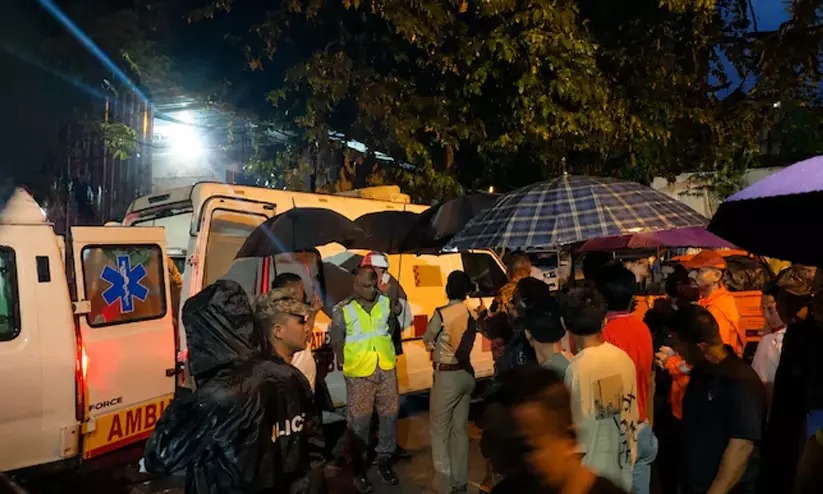
A suspected methane gas explosion triggered a major landslide and tunnel collapse at Patel Engineering’s Samardung project site in South Sikkim. The disaster left several personnel dead and trapping workers deep underground. Multi-agency rescue operations are underway, hampered by toxic gas accumulation, poor visibility, and challenging terrain.
NAMCHI — A severe industrial accident unfolded on Monday afternoon at an under-construction tunnel of the Teesta Stage-VI Hydroelectric Project near Samardung in Sikkim's Namchi district, according to official reports. The disaster struck when a suspected accumulation of underground methane gas triggered an explosion and subsequent landslide, sealing portions of the passage. The infrastructure project, managed by Patel Engineering in conjunction with the National Hydroelectric Power Corporation (NHPC), became the site of an intensive emergency response as multi-agency teams rushed to locate trapped personnel.
Initial accounts indicate that a routine inspection team alongside project workers was inside the 7-kilometer shaft when the blast occurred. While a number of individuals managed to escape or were safely evacuated, rescue efforts faced immediate hurdles due to high concentrations of toxic fumes, low oxygen levels, and the ongoing risk of secondary structural cave-ins.
Multi-Agency Rescue Operations and Toxic Hazards
According to district administration updates, specialized response units—including the National Disaster Response Force (NDRF), the State Disaster Response Force (SDRF), local police, and fire services—were immediately deployed to the site. However, initial rescue entries had to be temporarily halted after primary responders experienced severe breathing difficulties and dizziness from exposure to toxic methane gas.
To counter these hazardous conditions, specialized reinforcement teams equipped with advanced gas-resistant safety gear and breathing apparatuses were mobilized from neighboring West Bengal. Ambulances and medical personnel remain stationed at the project portal to triage survivors as search operations continue through the night.
Official Sources Section
Information regarding the casualties, entrapment estimates, and rescue coordination has been released through official statements by the Sikkim Chief Minister’s Office, district administration briefings, and corporate disclosures.
"According to officials, rescue operations are continuing under extreme caution, with specialized teams utilizing gas-protective equipment to penetrate the affected sections of the tunnel safely."
Further administrative updates and safety compliance reviews are managed through the Government of Sikkim and corporate filings submitted via BSE Limited.
Why It Matters
For workers, families, and local communities in the region, the tragedy highlights the severe subterranean risks associated with large-scale hydroelectric construction in fragile Himalayan terrain. For investors and corporate stakeholders in Patel Engineering and NHPC, the incident raises critical questions regarding geological risk assessment, underground gas monitoring protocols, and stringent enforcement of on-site safety standards.
Key Facts at a Glance
Location: Samardung, Namchi District, Sikkim.
Project: Teesta Stage-VI Hydroelectric Project (constructed by Patel Engineering).
Cause: Suspected methane gas accumulation leading to a blast and tunnel landslide.
Response Teams: NDRF, SDRF, local police, fire services, and specialized teams from West Bengal.
Frequently Asked Questions
What caused the accident at the Samardung tunnel project?
Authorities reported that a suspected accumulation of underground methane gas triggered an explosion, resulting in a landslide that blocked sections of the under-construction tunnel.
Which agencies are leading the rescue operations?
Operations are being spearheaded by the National Disaster Response Force (NDRF) and State Disaster Response Force (SDRF), supported by local administration, police, and specialized technical teams.
Why have rescue efforts been delayed or complicated?
Rescue efforts have faced significant challenges due to toxic methane gas fumes, low oxygen levels, poor visibility, and the constant risk of further structural instability.
Which company is executing the hydroelectric project?
The project is being constructed by Patel Engineering for the National Hydroelectric Power Corporation (NHPC).
Source: Government of Sikkim, BSE Limited, District Administration Briefings