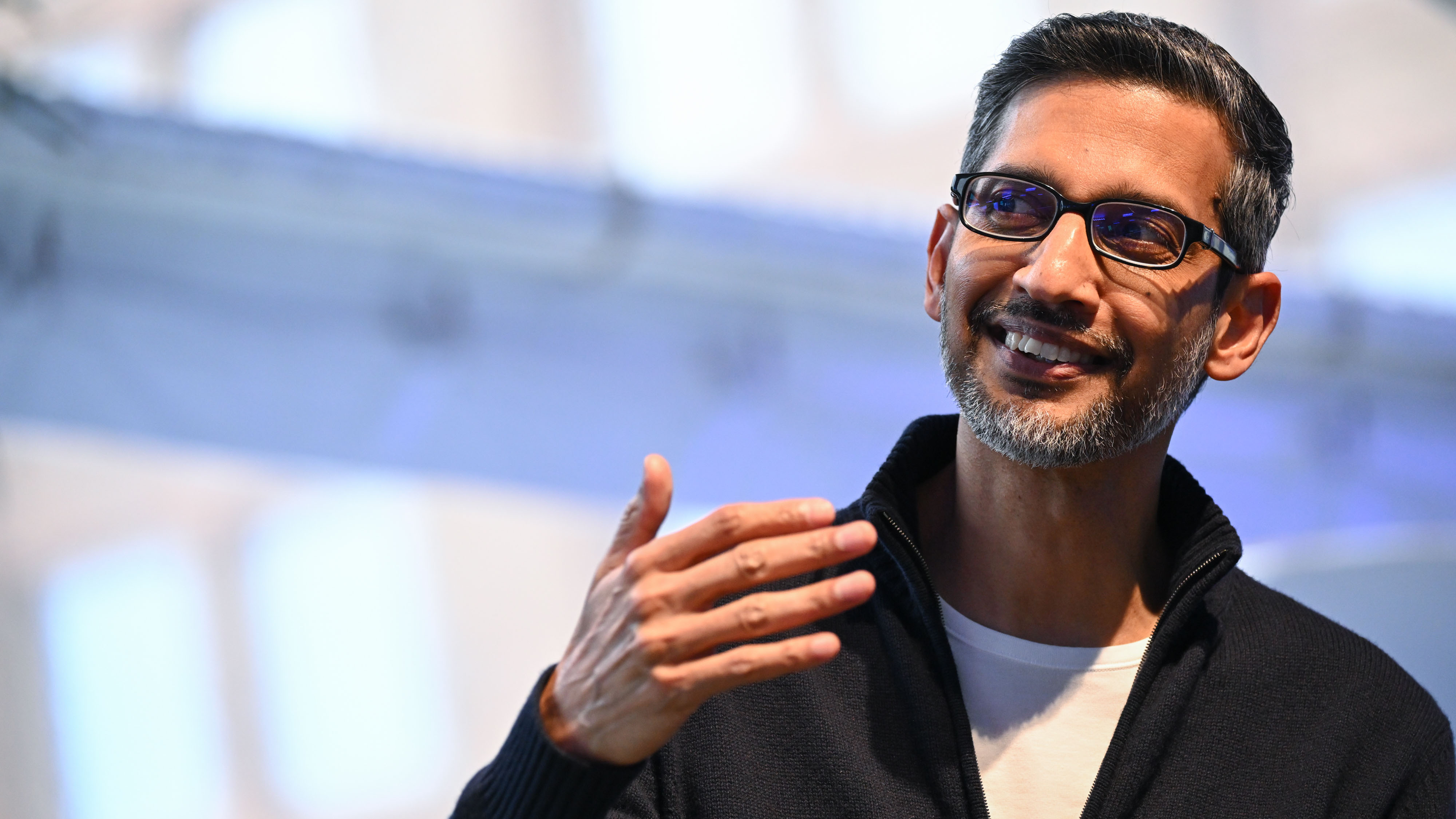
Google and Alphabet CEO Sundar Pichai has emphasized that his optimism for the future relies on human ingenuity rather than raw technological power. As AI advances rapidly, Pichai argues that human ethics, governance, and structural retraining programs are essential to ensure automation serves as a beneficial tool for global society.
MOUNTAIN VIEW, California — Alphabet Inc. and Google CEO Sundar Pichai has issued a strong reminder regarding the primary driver of global innovation, positioning human potential above software capabilities. In a widely circulated commentary on the future of artificial intelligence (AI) and corporate responsibility, Pichai clarified his fundamental worldview on technological progress.
"I'm optimistic, not because I believe in technology, but because I believe in people," Pichai stated, emphasizing that machines are merely extensions of human intent. The statement comes at a critical juncture for the global technology market, as corporate investments in large language models, automated systems, and hyper-scale data infrastructure reach record heights, prompting deep societal debates over employment security, ethical alignment, and digital safety.
The Human Element Over Machine Autonomy
According to official broadcast transcripts from a CBS News 60 Minutes interview, which were recently highlighted across major corporate leadership forums, Pichai argued that the current global fascination with AI capabilities often overlooks the true source of innovation. While acknowledging that AI represents the "most profound technology" humanity is actively developing—comparing its societal impact to the discovery of fire or electricity—he noted that the ultimate trajectory of these tools depends entirely on human values.
Google executives have mirrored this sentiment across corporate briefings, asserting that artificial intelligence should serve as a collaborative partner rather than an algorithmic replacement for human labor. Pichai pointed out that past technological revolutions led by the United States succeeded not because of the tools themselves, but because human ingenuity, institutional regulation, and training programs were deployed to harness those tools for broad social benefit.
Practical Implications for Global Workers and Investors
The emphasis on human-centric development carries direct structural consequences for enterprise operations, market regulators, and the global labor force:
Workforce Development Mandates: Corporate filings indicate that Alphabet is heavily prioritizing workforce retraining programs. This acknowledges that while AI will automate repetitive analytical tasks, it creates an unprecedented demand for complex human oversight, emotional intelligence, and qualitative decision-making.
The Rise of Ethical AI Systems: Tech investment metrics show that institutional investors are increasingly evaluating software firms based on their adherence to strict AI safety guidelines and transparent data sourcing, rather than raw computational performance.
Infrastructure Pressures: The physical footprint of the digital boom is facing real-world limits. Tech companies are navigating severe constraints regarding water consumption, land usage, and electrical grid capacity required to power next-generation data facilities.
Industry analysts tracking macro corporate trends state that these environmental and regulatory boundaries will require deep human creativity and diplomatic negotiation to resolve, proving that computing power alone cannot overcome physical societal limits.
Balancing Bold Innovation with Institutional Regulation
During official public policy addresses, Pichai called upon competing technology firms to advance AI systems "boldly and responsibly." Google has actively engaged with international regulatory bodies, including the European Union and U.S. federal agencies, to establish standardized frameworks governing automated systems.
According to company statements, the enterprise strategy relies on demonstrating real-world utility in crucial public sectors. Google is currently deploying localized AI solutions to accelerate medical research for life-saving cures, optimize climate tracking models for tracking regional wildfires, and provide tailored digital assistants for educators to personalize classroom instruction.
Official Sources Section
The corporate declarations, policy statements, and strategic insights outlined in this report originate directly from the following verified entities:
Quote Section
"I'm optimistic. Not because I believe in technology, but because I believe in people and the sheer power of human ingenuity."
— Sundar Pichai, CEO of Google and Alphabet Inc., during an official media address
"According to officials familiar with Alphabet's long-term product roadmap, internal design parameters have pivoted toward building 'human-in-the-loop' architectures, ensuring that final accountability for automated outputs remains explicitly with human operators."
— Enterprise Tech Analyst, analyzing regional software development standards
Why It Matters
For enterprise businesses and investors, Pichai’s philosophy signifies that long-term commercial value lies in developing software that enhances human capability rather than rendering human oversight obsolete. For everyday citizens and workers, it provides reassurance that the tech industry's top leadership views human judgment, creative problem-solving, and ethical intuition as irreplaceable components of the digital economy. Pragmatically, this stance accelerates public demand for corporate accountability, pushing tech giants to invest heavily in community retraining, sustainable engineering, and transparent safety standards.
Key Facts at a Glance
Core Philosophical Stance: Google CEO Sundar Pichai reaffirmed that human intent, empathy, and decision-making dictate the success of innovation, stating his optimism resides in people rather than technology.
Profound Technological Shift: Pichai classified artificial intelligence as the most transformative technology in human history, exceeding the historical impacts of electricity and fire.
Real-World Deployments: Alphabet is focusing its AI applications on critical public infrastructure, specifically targeting medical research, climate disaster management, and educational equity.
Structural Workspace Adjustments: The corporate ecosystem is pivoting toward building comprehensive workforce retraining models to handle digital transitions smoothly.
Physical Infrastructure Constraints: The rapid expansion of massive data centers faces significant operational friction due to high water usage and immense electrical power demands.
FAQ Section
What is the context behind Sundar Pichai's quote about being optimistic about people?
Sundar Pichai shared this perspective during high-level discussions regarding the rapid adoption of artificial intelligence. He clarified that while machines evolve quickly, human ethics, creativity, and structural management are what ultimately steer technology toward positive outcomes.
How does Google view the relationship between AI and human workers?
According to official company positions, Google views AI as a collaborative tool designed to assist humanity. The company acknowledges that while job roles will shift, human judgment remains necessary to manage automated systems safely and effectively.
What real-world problems is Google attempting to solve using AI?
Google is currently using its computational systems to tackle complex public sector challenges, including accelerating the discovery of medical cures, modeling and mitigating wildfire disasters, and providing automated, hyper-personalized support tools for teachers.
What are the primary challenges facing the tech industry's expansion?
Beyond software development, tech firms face major physical bottlenecks. The construction of new data centers requires substantial land, massive amounts of cooling water, and high energy consumption, leading to pushback from municipal governments and environmental regulators.
Why is regulation important to Google's AI strategy?
Pichai has repeatedly urged global tech organizations to develop AI boldly but responsibly. Google supports government regulation because uniform legal frameworks ensure that competitive technological development does not compromise user safety, national security, or economic stability.
Source: CBS News 60 Minutes Archives, Alphabet Inc. Corporate Communications, The Times of India Technology Desk.