




Loading market data...
ADVERTISEMENT

Latest Top News
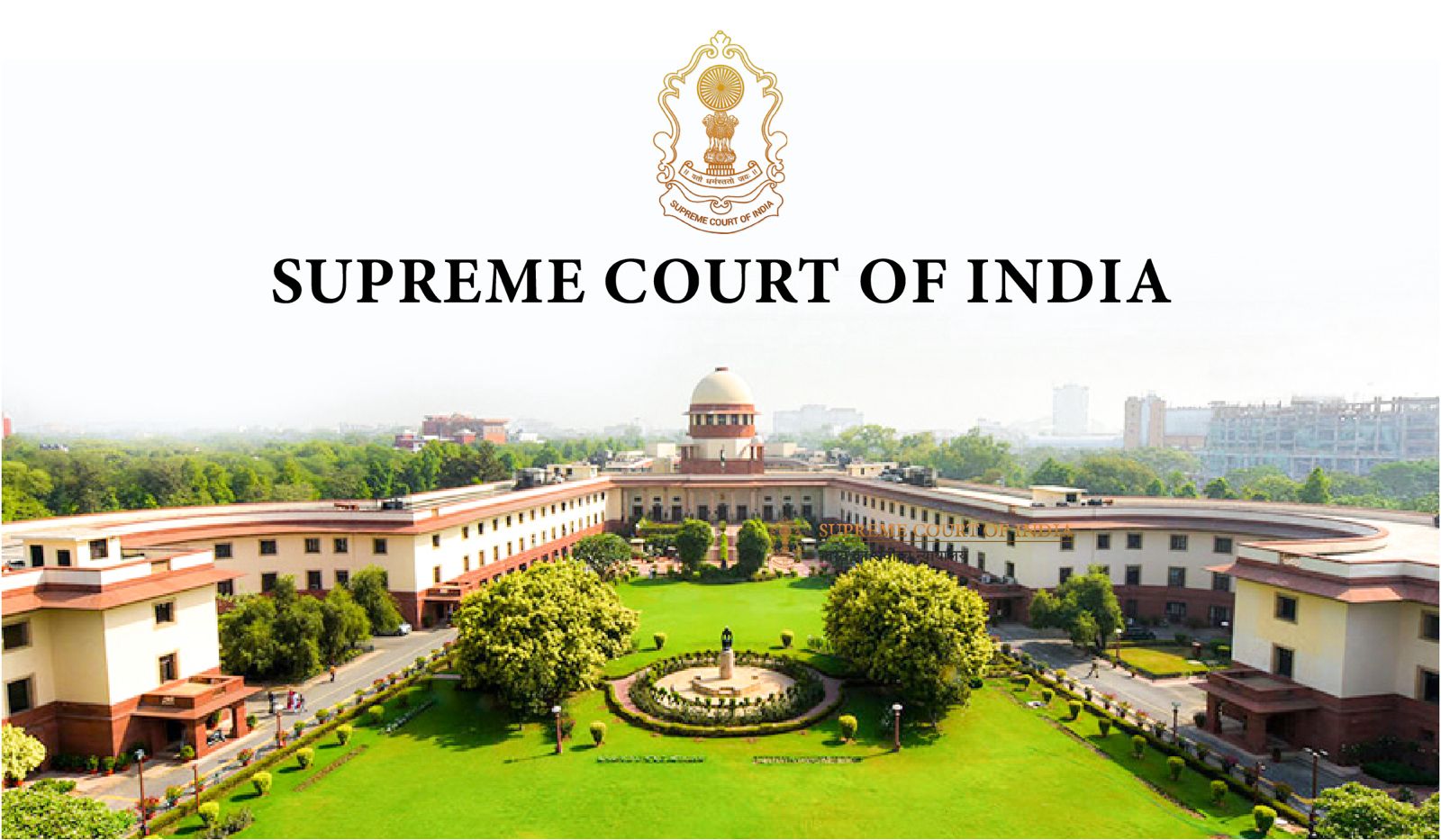
Supreme Court To Hear Challenge Against IT Rules On Government Fact Check Unit
The Supreme Court of India has agreed to examine the Union Government’s petitions challenging the Bombay High Court’s 2024 judgment that struck down provisions of the IT Rules enabling the creation of a government-run Fact Check Unit (FCU). The Court declined to stay the High Court’s ruling at this stage.
Stay Ahead – Explore Now! Rappid Valves Secures Rs 180.5 Million Contract From BHEL for Navy Ships
ADVERTISEMENT

Latest Updates

Global Markets Surge Higher in Pivotal Pre-Market...
16 Jun 2026, 07:57 AM
Tokenomics 2.0 Frameworks Deployed to Battle Risin...
16 Jun 2026, 07:48 AM
Siri AI in iOS 27 Introduces Onscreen Awareness an...
16 Jun 2026, 06:20 AM
FOMO TO FMA - Global Uncertainty Meets Indian Opti...
16 Jun 2026, 06:53 AM
Starlink New Satellite Tech Hits India National Se...
16 Jun 2026, 06:14 AMADVERTISEMENT

Top Stories
Global Markets Surge Higher in Pivotal Pre-Market...
16 Jun 2026, 07:57 AM
Tokenomics 2.0 Frameworks Deployed to Battle Risin...
16 Jun 2026, 07:48 AM
Siri AI in iOS 27 Introduces Onscreen Awareness an...
16 Jun 2026, 06:20 AM