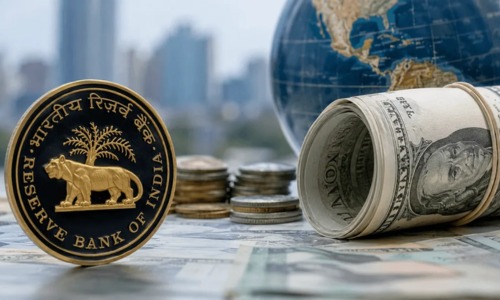
The Reserve Bank of India conducted USD/INR sell-buy swaps to drain surplus banking liquidity, pushing the one-year implied forward rate up 18 basis points to 3.34%. The intervention effectively tackles record cash surpluses in the financial system while driving notable upward adjustments across near-term forward premiums.
Mumbai — The Reserve Bank of India ($\text{RBI}$) likely executed short-term dollar-rupee sell-buy swaps to drain surplus cash from the domestic banking system, pushing forward premiums significantly higher across multiple tenures. Disclosed through foreign exchange market reports in September 2026, the central bank’s aggressive liquidity management intervention triggered an immediate upward repricing in forward yields. The one-year implied rate surged 18 basis points to close at 3.34%, while three-month and six-month yields climbed sharply as traders recalibrated positions to absorb the sudden tightening of short-term rupee funds.
Mechanics of Sell-Buy Swaps and Liquidity Drains
According to foreign exchange dealers and market analysts, the Reserve Bank of India stepped into the spot and forward markets to conduct sell-buy foreign exchange swaps—selling dollars to commercial banks for rupees with a pre-agreed forward purchase obligation. This transaction structure temporarily pulls rupees out of circulation, offsetting record banking system liquidity surpluses that recently swelled past 11 trillion rupees following substantial foreign capital inflows.
By utilizing FX swaps instead of permanent cash reserve ratio ($\text{CRR}$) hikes, the central bank minimized structural pressures on bank net interest margins. However, the immediate absorption of rupees through near-term tenures (spanning one to two months) drove up annualized forward premiums as banks scrambled to cover their forward dollar receivables and adjust short-term funding allocations.
Impact on Corporate Hedgers, Foreign Investors, and Banks
For corporate treasuries, importers, and exporters, the spike in forward premiums alters hedging economics for foreign currency exposures. Importers locking in future dollar purchases face elevated hedging costs, while exporters benefit from higher annualized returns on forward sales. For commercial banks and institutional investors, managing liquidity through central bank swaps underscores the delicate balance between curbing inflationary risks from excess cash and maintaining orderly domestic debt yields.
Official Sources Section
Details concerning central bank intervention parameters, forward yield movements, and liquidity metrics are based on market intelligence reports, foreign exchange trading desks, and policy updates published by the Reserve Bank of India.
Quote Section
According to officials, proactive liquidity management operations are calibrated continuously to ensure monetary stability and align short-term interest rates with broader macroeconomic objectives.
Why It Matters
Deploying foreign exchange swaps allows the central bank to sterilize massive cash surpluses without disrupting permanent credit growth, safeguarding macroeconomic stability amid volatile global capital flows.
Key Facts at a Glance
The Reserve Bank of India utilized USD/INR sell-buy swaps to absorb surplus liquidity from commercial banks.
The one-year implied forward rate climbed 18 basis points to 3.34% following the intervention.
Three-month and six-month onshore forward yields registered sharp increases across trading desks.
Operations targeted record banking liquidity surpluses exceeding 11 trillion rupees.
FAQ Section
Why did the RBI conduct USD/INR sell-buy swaps?
The central bank utilized swaps to temporarily drain excess rupee liquidity from the banking system without resorting to permanent cash reserve ratio hikes.
How do sell-buy swaps impact forward premiums?
When the RBI sells dollars spot and buys them back forward, it tightens near-term rupee availability, causing forward premiums and implied yields to rise.
What was the movement in key benchmark tenures?
The one-year implied rate rose by 18 basis points to 3.34%, while three-month and six-month yields recorded notable upward adjustments.
Source: Reserve Bank of India, Inter-bank Foreign Exchange Market Data