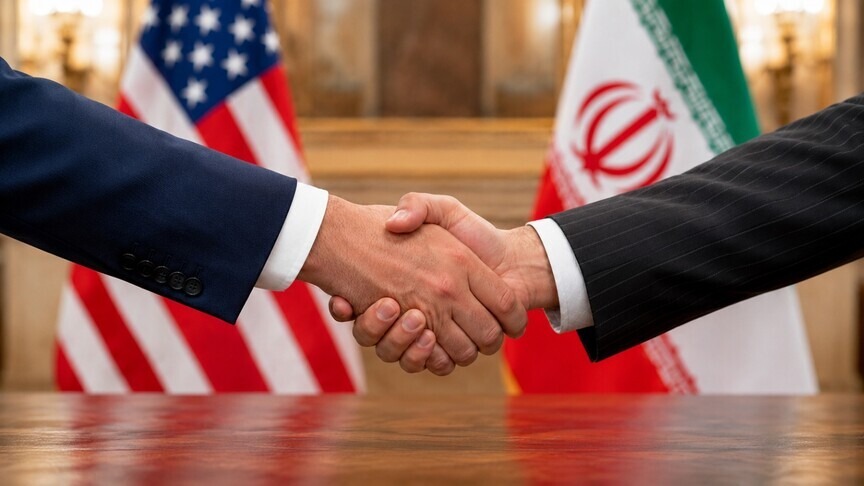
The Swiss Foreign Ministry confirmed that the scheduled Friday U.S.-Iran talks at the Bürgenstock resort will not take place as planned. The delay follows the cancellation of trips by U.S. Vice President JD Vance and Pakistani Prime Minister Shehbaz Sharif, though 2,000 Swiss troops remain deployed to secure the venue.
BERN — Technical implementation talks between the United States and Iran at the Bürgenstock alpine resort will not take place as planned on Friday, June 19, 2026. According to an official regulatory briefing distributed by the Swiss Federal Department of Foreign Affairs (FDFA), complex logistical scheduling conflicts and sudden changes in delegate availability forced an immediate adjustments to the highly anticipated summit. The Swiss Foreign Ministry emphasized that while both adversarial nations remain fully committed to the newly ratified "Islamabad Memorandum of Understanding," the face-to-face working sessions in Switzerland require rescheduling to align multi-lateral tracking teams.
High-Level Cancellations Disrupt Alpine Summit Logistics
The sudden change in scheduling follows consecutive, high-profile adjustments from the key negotiating delegations. Originally billed as a monumental diplomatic assembly, the event's scope was modified after U.S. President Donald Trump and Iranian President Masoud Pezeshkian completed the formal signing of the 14-point framework agreement digitally earlier in the week.
The technical follow-up talks faced structural delays late Thursday night. The White House confirmed that U.S. Vice President JD Vance canceled his planned flight to Central Switzerland. Concurrently, Pakistani administrative logs indicated that Prime Minister Shehbaz Sharif, acting as a lead co-mediator alongside the State of Qatar, also canceled his physical journey to the luxury mountaintop resort.
According to Swiss protocol coordinators, attempting to synchronize a highly sensitive, multi-lateral peace layout without the primary political heads present proved operationally unviable for a Friday launch.
Severe Security Mandates Remain Active in Nidwalden
Despite the disruption to the diplomatic calendar, the Swiss Federal Council has maintained its strict security ring around the Bürgenstock complex over Lake Lucerne. The luxury resort remains closed to the public, with all civilian hotel and spa reservations canceled at short notice through Sunday to preserve the integrity of the secure zone.
The Swiss Department of Defense verified that its localized defensive framework remains operational:
Troop Deployment: Approximately 2,000 Swiss Armed Forces personnel are actively patrolling the perimeter.
Airspace Restrictions: A strict military no-fly zone remains actively enforced over the canton of Nidwalden until June 20.
Access Control: Maritime routes and funicular transit lines leading up the mountain ridges are entirely restricted.
Swiss facilitators clarified that keeping the infrastructure guarded allows security teams to host the technical groups immediately once a revised timeline is finalized by the mediating desks in Islamabad and Doha.
Stiff Rhetoric and Verification Hurdle Backdrops
The logistical delay coincides with a sharp escalation in political warnings exchanged between Washington and Tehran. Following the digital finalization of the framework, which immediately lifted the U.S. naval blockade and reopened the strategic Strait of Hormuz, conservative factions in both capitals have expressed deep skepticism.
In Tehran, Parliament Speaker Mohammad Bagher Ghalibaf warned that any American violation of the memorandum would face a "crushing response," noting that Iran is closely following guidance from Supreme Leader Mojtaba Khamenei.
Conversely, senior U.S. administration officials openly briefed reporters that they expect Iran "will lie and cheat" during the upcoming 60-day negotiation window. The U.S. Treasury Department's issuance of immediate crude oil sanctions waivers has sparked intense debate in Congress, with critics arguing the White House surrendered leverage before resolving long-term nuclear enrichment controls.
| Strategic Treaty Element | Immediate Operational Status | Macro Strategic Implication |
| Strait of Hormuz | Reopened to international shipping | Stabilizes global Brent crude oil near $74 |
| U.S. Naval Blockade | Formally lifted by CENTCOM | Restores commercial maritime access to Iranian ports |
| Bürgenstock Negotiations | Postponed on Friday | Delays technical talks on nuclear enrichment limits |
Official Sources Section
The diplomatic notifications, security parameters, and delegate schedules detailed in this report are compiled from official statutory notices released by the Swiss Federal Department of Foreign Affairs (FDFA). Military airspace logs and troop details are verified via the Swiss Federal Department of Defence, Civil Protection and Sports (DDPS). U.S. administrative decisions are drawn from press briefings archived by the White House Press Office.
Quote Section
"According to officials from the Swiss Federal Department of Foreign Affairs, the postponement of the Friday working session is strictly a matter of diplomatic scheduling and multi-lateral logistics. Representatives stated that Switzerland remains completely ready to act as a neutral facilitator, providing secure, world-class grounds to support long-term peace frameworks in Western Asia."
Why It Matters
The delay of the Bürgenstock talks shows how fragile high-stakes international diplomacy can be, even after a historic ceasefire framework is signed. While the immediate reopening of the Strait of Hormuz has successfully averted an energy crisis, the technical talks are vital to solving the core disputes over nuclear enrichment and sanctions. Any prolonged delay in getting negotiators into the same room risks letting political hardliners in both countries harden their stances, which could unravel the progress made toward regional stability.
Key Facts at a Glance
Talks Postponed: The Swiss Foreign Ministry confirmed that the U.S.-Iran negotiations at Bürgenstock will not start on Friday.
Vance Cancels Trip: U.S. Vice President JD Vance canceled his flight to Switzerland, citing unfinalized logistics.
Mediators Absent: Pakistan's Prime Minister Shehbaz Sharif also scrapped his planned trip to the alpine summit.
Security Intact: Over 2,000 Swiss soldiers and a strict no-fly zone remain active around the resort to protect the venue.
Immediate Terms Active: The broader ceasefire stands, with the Strait of Hormuz open and U.S. naval blockades lifted.
FAQ Section
Why were the Friday talks at Bürgenstock canceled by the Swiss?
The Swiss Foreign Ministry adjusted the schedule because key high-level delegates, including U.S. Vice President JD Vance and Pakistani Prime Minister Shehbaz Sharif, canceled their trips due to unfinalized logistics.
Does this postponement mean the U.S.-Iran peace deal has failed?
No. The underlying Islamabad Memorandum of Understanding remains active and digitally signed. Immediate steps, like lifting the naval blockade and reopening the Strait of Hormuz, are still in effect.
Will the Bürgenstock resort reopen to the public since the talks are delayed?
No. The Swiss government is keeping the strict security ring, 2,000 troops, and no-fly zone active through Sunday to ensure the venue is ready once a new date is set.
Source: Official press circulars, security bulletins, and diplomatic notifications issued by the Swiss Federal Department of Foreign Affairs, the Swiss Armed Forces, and the White House Press Desk.