




Loading market data...
ADVERTISEMENT

Latest Top News
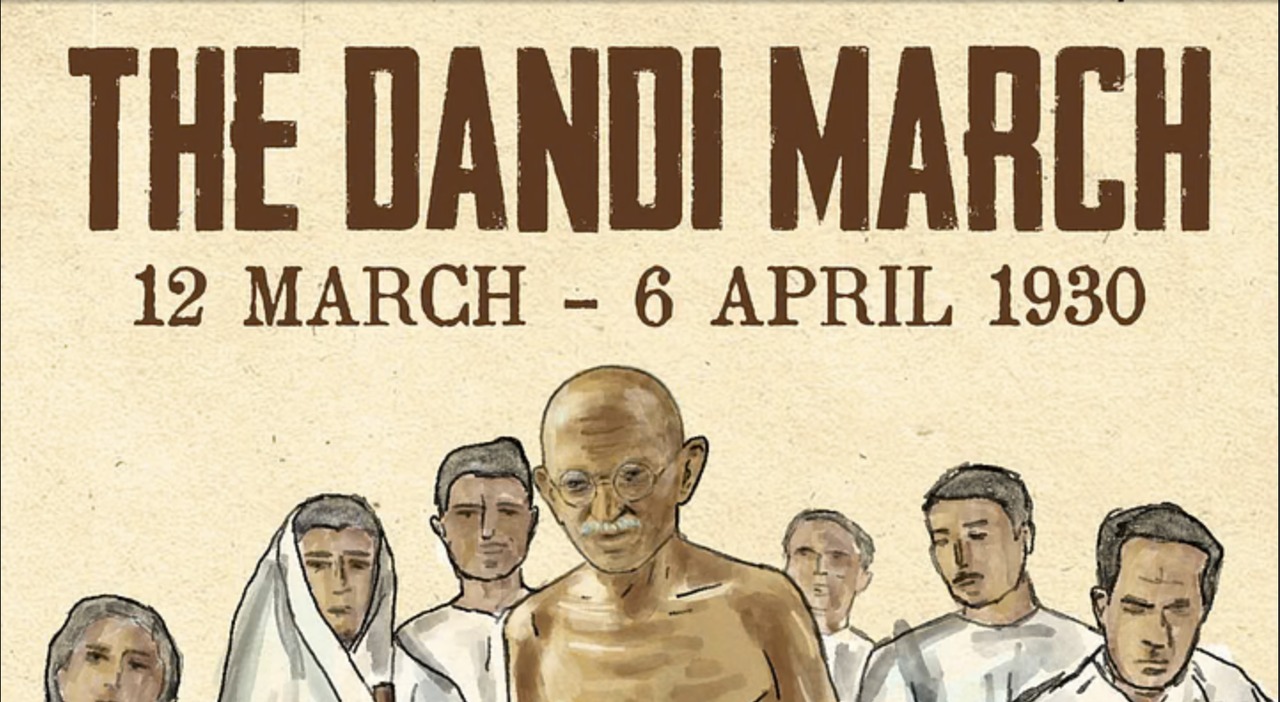
Symbolic Dandi March Connects Youth With India’s Independence History
A symbolic Dandi March was organized in Delhi to commemorate Mahatma Gandhi’s historic 1930 Salt March. The event brought together leaders, activists, and citizens to honor India’s freedom struggle, while highlighting the relevance of Gandhian values of non-violence, self-reliance, and civil resistance in today’s socio-political context.
Stay Ahead – Explore Now! Rohit Sharma Sets New Record As India's Most Senior Men's ODI Cricketer
ADVERTISEMENT

Latest Updates

From Silt to Sustainability: BMC Starts Rejuvenati...
15 Jun 2026, 02:01 PM
Jharkhand Secures GI Tags for Bhagaiya Silk and Tr...
15 Jun 2026, 02:24 PM
Reel Deal: Mumbai International Film Festival 2026...
15 Jun 2026, 10:07 PM
Nepal Tea Trade: Factories Shut Down Over India’s...
15 Jun 2026, 10:03 PM
Motorola’s Foldable Fold-Off: Which New Razr Fits...
15 Jun 2026, 09:59 PMADVERTISEMENT

Top Stories
From Silt to Sustainability: BMC Starts Rejuvenati...
15 Jun 2026, 02:01 PM
Jharkhand Secures GI Tags for Bhagaiya Silk and Tr...
15 Jun 2026, 02:24 PM
Reel Deal: Mumbai International Film Festival 2026...
15 Jun 2026, 10:07 PM