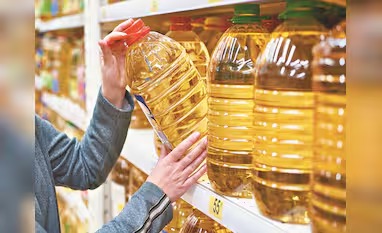
Severe port congestion and overflowing storage tanks have delayed vessel unloading by up to 10 days across India. Consequently, major domestic refiners are curbing edible oil purchase commitments for the October–December period to clear excess accumulated inventory and stabilize supply chain flows.
MUMBAI — An unprecedented surge in vegetable oil imports has created massive logistical bottlenecks across major Indian import hubs, delaying vessel unloading operations by up to 10 days. Industry officials revealed on Monday, September 7, 2026, that coastal storage tanks have reached maximum operational capacity following aggressive buying sprees driven by festive demand and substitutions for disrupted Black Sea sunflower oil. The resulting congestion has forced domestic refiners and trading houses to scale back forward purchases for the upcoming October–December delivery window to clear backlog inventories and stabilize local supply chains.
Port Bottlenecks and Storage Strain
Heavy cargo inflows across key coastal terminals have overwhelmed regional storage infrastructure, directly impacting vessel turnaround times.
Berth Delays: Shore tanks are operating near full capacity, causing unloading delays of up to 10 days for incoming palm oil and soyoil carriers.
Inventory Overhang: Unprecedented import volumes through recent months have left domestic pipelines heavily stocked, reducing immediate appetite for fresh overseas orders.
Logistical Adjustments: Port operators and logistics providers are scrambling to clear stacked containers and pipeline networks to restore normal vessel scheduling.
Market Dynamics and Refiner Strategy
Market analysts note that the sudden pause in forward bookings marks a sharp tactical pivot for the world's leading edible oil buyer. Having capitalized on narrow price differentials between crude palm oil and soyoil earlier in the season—alongside hedging against potential Black Sea trade route vulnerabilities—Indian refiners are now prioritizing inventory liquidation. Reducing import commitments for the final quarter of the year is expected to rebalance domestic wholesale prices and ease the immense pressure currently facing major port infrastructure on both the western and eastern coasts.
Official Sources Section
Quote Section
"According to industry officials and trade association reports, rising domestic edible oil stocks and severe port congestion have prompted Indian refiners to curb their purchase orders for the October–December period."
Why It Matters
For domestic consumers and retail markets, the stabilization of excessive port inventories prevents localized supply shocks and helps regulate cooking oil prices ahead of peak festive consumption cycles. For international commodity exporters, India's temporary pullback from forward bookings signals a cooling off period after months of aggressive inventory accumulation.
Key Facts at a Glance
Indian port congestion has delayed edible oil vessel unloading by up to 10 days.
Shore tanks have reached peak capacity following aggressive preceding import months.
Refiners are scaling back purchase commitments for the October–December delivery window.
Market data and trade observations are tracked by Reuters and the Solvent Extractors' Association of India (SEA).
FAQ Section
Why are Indian ports experiencing edible oil unloading delays?
Intense import volumes have filled shore-based storage tanks to capacity, creating severe logistical backlogs and delaying vessels by up to 10 days.
How is the port congestion impacting future import decisions?
Refiners are curbing new purchase orders for the October–December window to liquidate existing domestic stock overhangs.
Which organizations monitor these import and trade trends?
Market movements and port metrics are closely monitored by Reuters and the Solvent Extractors' Association of India (SEA).
What triggered the surge in recent vegetable oil purchases?
Buying was accelerated by festive stocking demands, shifting price spreads, and precautionary hedging against Black Sea supply disruptions.
Source: Reuters, Solvent Extractors' Association of India (SEA), Ministry of Consumer Affairs, Food and Public Distribution