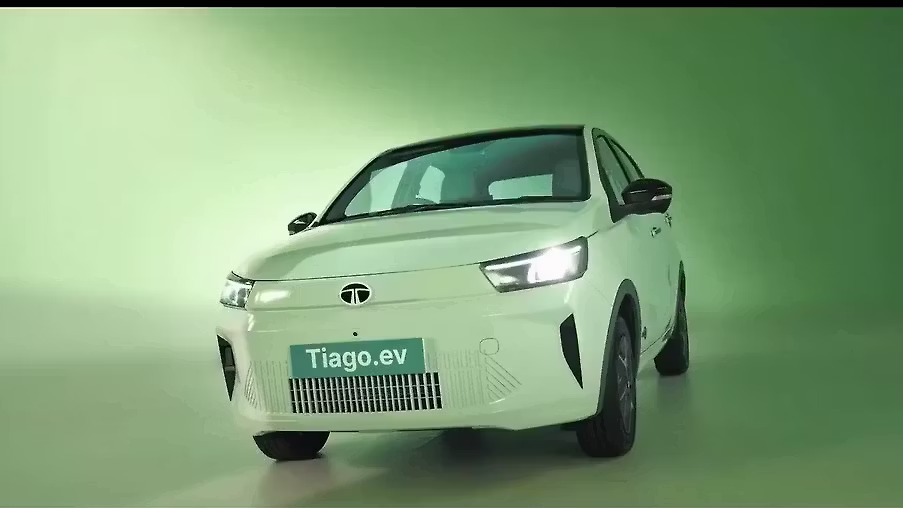
Tata Motors is offering the Tiago EV with a Battery-as-a-Service (BaaS) option priced at ₹4.69 lakh, significantly lowering the upfront purchase cost by separating the battery ownership from the vehicle. Under this model, buyers pay a reduced initial price and subscribe to a monthly battery lease, making electric vehicle ownership more accessible to budget-conscious buyers while Tata retains battery ownership and manages replacement, charging infrastructure access, and lifecycle costs.
Breaking Down The BaaS Model
The Battery-as-a-Service option for the Tata Tiago EV allows customers to purchase the car for ₹4.69 lakh substantially lower than the standard on-road price of the electric hatchback, which typically exceeds ₹8 lakh depending on variant and city. The key difference is that the buyer does not own the battery pack, which accounts for nearly 40% of an EV's total cost. Instead, the battery remains Tata Motors' property, leased to the customer on a monthly subscription basis.
How The Monthly Subscription Works
Buyers opting for BaaS pay a fixed monthly fee to use the battery, with the subscription covering not just access to the battery itself but also benefits like battery health monitoring, guaranteed performance thresholds, and in some cases, preferential access to Tata's charging network. The monthly lease amount varies based on usage patterns, kilometres driven per month, and the subscription plan chosen at the time of purchase. This structure converts a large upfront capital expense into a manageable operating expense, similar to how telecom users pay for data plans rather than buying network infrastructure.
Who Benefits Most From BaaS
The ₹4.69 lakh entry price makes the Tiago EV accessible to first-time EV buyers, fleet operators, and urban commuters who may not have the liquidity to pay the full vehicle cost upfront but can comfortably manage a monthly subscription. For commercial users like ride-hailing drivers or delivery fleets, BaaS eliminates the risk of battery degradation affecting resale value, since the battery is never owned in the first place. Tata handles replacements and upgrades, reducing downtime and maintenance uncertainty.
The Fine Print And Long-Term Costs
While the BaaS model lowers the entry barrier, buyers need to calculate total cost of ownership over the vehicle's lifespan. Depending on the monthly lease fee and usage duration, the cumulative subscription cost could eventually exceed the upfront battery cost in a traditional purchase. However, BaaS offers peace of mind around battery warranty, performance guarantees, and the option to exit or upgrade without worrying about battery disposal or resale complications.
Why Tata Is Pushing This Model
For Tata Motors, BaaS is both a customer acquisition tool and a strategic play to build a recurring revenue stream. By retaining ownership of batteries, Tata can optimize battery lifecycles, repurpose used packs for stationary storage, and develop a closed-loop ecosystem that enhances sustainability credentials. It also helps de-risk EV adoption by addressing the biggest consumer concern battery replacement cost and longevity.
Tiago EV BaaS Essentials
- Tata Tiago EV available with Battery-as-a-Service option priced at ₹4.69 lakh
- BaaS separates battery ownership from vehicle purchase, reducing upfront cost significantly
- Buyers pay a monthly subscription to lease the battery instead of owning it outright
- Subscription covers battery access, health monitoring, and performance guarantees
- Model makes EV ownership accessible to budget buyers, fleet operators, and urban commuters
- Total cost of ownership depends on monthly lease fee and usage duration
- Tata Motors retains battery ownership, enabling lifecycle optimization and sustainability gains
Sources: Tata Motors official BaaS program details, EV industry reports, automotive media coverage June 2026