Tata Group’s battery subsidiary, Agratas, is developing proprietary technology to manufacture lithium iron phosphate (LFP) cells at its Sanand plant in Gujarat. Spurred by tighter Chinese technology export curbs, the move strengthens domestic supply chains for electric vehicles and grid energy storage while reducing reliance on foreign licensing.
SANAND, India — Agratas Energy Storage Solutions, the battery manufacturing subsidiary of Tata Group, is developing proprietary technology to manufacture lithium iron phosphate (LFP) battery cells. The strategic pivot comes as Beijing enforces strict export restrictions on critical battery manufacturing know-how, pushing Indian industrial conglomerates toward domestic technological self-sufficiency.
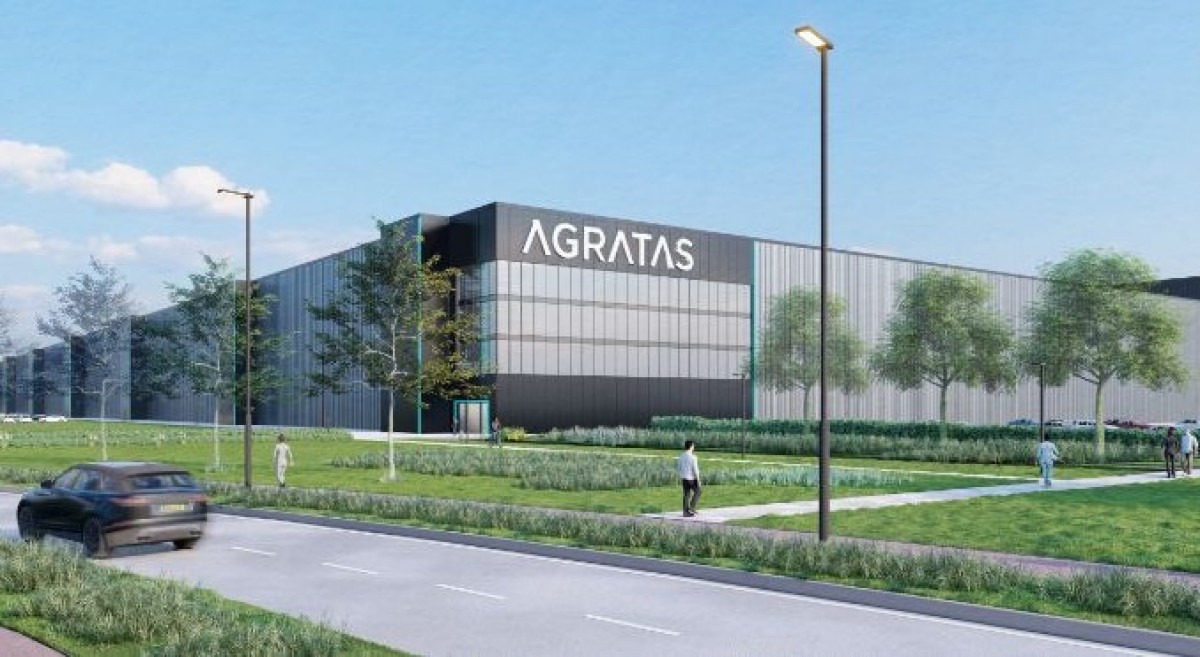
According to industry sources, Agratas is constructing a pilot production line for LFP cells at its upcoming gigafactory in Sanand, Gujarat. The move marks the first time Tata Group is engineering its own cell technology from scratch, reducing long-term reliance on overseas technology licenses and foreign joint ventures to power its electric vehicle (EV) and energy storage systems.
China Export Restrictions Drive Pivot to In-House Research
The decision to develop LFP technology internally follows an operational assessment by Agratas executives that securing licensing agreements with Chinese technology leaders is no longer viable under current export regulations. China, which controls over 80 percent of global lithium-ion cell manufacturing capacity and raw material processing, has progressively tightened restrictions on the transfer of advanced battery IP and production equipment to foreign entities.
Indian conglomerates across the automotive and green energy sectors—including Reliance Industries and JSW Group—have faced similar hurdles in negotiating technology licensing deals with overseas suppliers. Developing LFP chemistry independently requires additional upfront research and capital expenditure, but it secures long-term intellectual property rights and insulates manufacturing operations from geopolitical trade frictions.
To refine manufacturing workflows and validate early LFP production batches, Agratas has assembled an international engineering team consisting of specialists from India, South Korea, and China at the Sanand facility.
Dual Chemistry Strategy: LFP and NMC Cell Production
Agratas plans to produce both LFP and nickel manganese cobalt (NMC) battery cells at its flagship Sanand plant. The dual-chemistry approach allows the company to address distinct market segments:
Lithium Iron Phosphate (LFP): LFP cells offer lower material costs, longer cycle life, and higher thermal stability. These cells are ideally suited for urban electric passenger cars, commercial fleet vehicles, and stationary grid-scale energy storage projects.
Nickel Manganese Cobalt (NMC): NMC cells provide higher energy density, enabling longer driving ranges required for premium and luxury electric vehicles.
While Agratas previously secured technology partnerships for NMC cell development, building LFP technology from the ground up allows the company to customize battery architectures specifically for high-ambient-temperature environments in South Asia and regional export markets.
R&D Investments and Global Gigafactory Network
To support its cell technology roadmap, Agratas is investing over $400 million in a dedicated research and development center in Bengaluru. The R&D hub focuses on advanced cell chemistries, including LFP and lithium manganese iron phosphate (LMFP) formulations, alongside battery management software.
Concurrently, Agratas is progressing with construction on two commercial-scale gigafactories:
Sanand Facility (Gujarat, India): Target operational readiness for initial NMC production by early 2027, followed by LFP cell commercialization.
Somerset Facility (Bridgwater, UK): A 40 GWh production plant scheduled to commence operations by mid-2027.
The initial commercial output from both facilities will supply battery packs to Tata Motors Passenger Vehicles and its UK subsidiary, Jaguar Land Rover (JLR), starting with the upcoming all-electric Range Rover SUV.
Impact on Citizens, Auto Buyers, and Energy Transition
The development of a domestic battery cell ecosystem delivers practical benefits across economic sectors:
EV Consumers: Domestic production of LFP cells lowers vehicle manufacturing costs, making electric cars and two-wheelers more affordable for mass-market buyers.
Automotive Industry: Establishes a local supply chain resilient against global trade disruptions, reducing foreign exchange exposure for Indian vehicle makers.
Renewable Energy Sector: Local availability of LFP batteries supports grid-scale storage installations, helping balance solar and wind power generation across national power grids.
Official Sources Section
Details regarding Agratas' manufacturing plans, capital commitments, and technology initiatives have been documented through corporate statements and industry disclosures:
Corporate strategy releases published by the Tata Group.
Operational updates and project releases published by Agratas.
Industrial investment disclosures monitored by the Ministry of Heavy Industries.
Official Statement
According to officials familiar with internal corporate planning, the initiative to engineer cell technology internally aligns with Tata Group's broader strategy to establish an end-to-end electric mobility and renewable energy supply ecosystem in India.
"According to officials, developing proprietary LFP cell technology ensures long-term operational autonomy, protects supply chains from foreign trade restrictions, and accelerates the rollout of affordable clean transport solutions across domestic and global markets."
Why It Matters
Tata’s push for in-house lithium cell technology marks a critical milestone in India’s transition toward clean energy self-reliance. By overcoming foreign technology export barriers, Agratas secures a foundational role in localized battery supply chains, reducing import dependence and positioning Indian manufacturing at the forefront of global energy storage technology.
Key Facts at a Glance
Initiative: Tata’s Agratas unit developing in-house lithium iron phosphate (LFP) cell technology.
Primary Trigger: Tightening Chinese export restrictions on battery manufacturing know-how.
Manufacturing Base: Pilot line under construction at Sanand, Gujarat, alongside a $400 million R&D facility in Bengaluru.
Global Capacity: Gigafactories under development in Sanand (India) and Somerset (UK).
Commercial Applications: Electric passenger vehicles, luxury SUVs, and stationary grid energy storage.
Frequently Asked Questions (FAQ)
What is Agratas, and what does it manufacture?
Agratas is the global battery business of the Tata Group, focused on designing, developing, and manufacturing sustainable lithium-ion battery cells (LFP and NMC) for electric mobility and energy storage applications.
Why is Agratas developing its own battery technology instead of licensing it?
Strict export restrictions imposed by China on advanced battery manufacturing know-how made foreign licensing deals unviable, prompting Agratas to build proprietary technology to ensure self-sufficiency.
Where are Agratas' battery manufacturing facilities located?
Agratas is constructing major battery gigafactories in Sanand, Gujarat (India), and Bridgwater, Somerset (United Kingdom).
What is the difference between LFP and NMC batteries?
LFP (Lithium Iron Phosphate) batteries are cheaper, safer, and longer-lasting, making them ideal for standard EVs and grid storage. NMC (Nickel Manganese Cobalt) batteries offer higher energy density for longer driving range in premium electric vehicles.
Source: Corporate announcements from the Tata Group, official technology disclosures from Agratas, and policy guidelines from the Ministry of Heavy Industries.