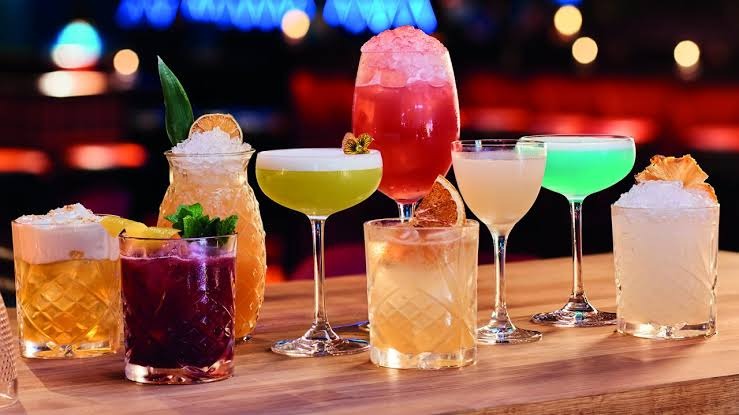
Multi-course cocktail tasting menus are transforming high-end mixology into an intimate, structured culinary journey. By utilizing micro-portions, low-ABV ingredients, and advanced kitchen techniques, modern bars are successfully offering complex drink flights without overwhelming the guest's palate.
As experimental mixologists push past traditional wine pairings, multi-course cocktail tasting menus are redefining high-end hospitality.
NEW DELHI / BENGALURU: For decades, fine dining multi-course tasting menus have relied on carefully curated wine pairings to complement complex food. Today, a growing vanguard of progressive bars and specialized underground tasting spaces are challenging that paradigm by introducing multi-course cocktail flights. Spanning anywhere from three to nine structured courses, these avant-garde drink progressions raise a critical question for modern consumers and culinary operators: Can cocktails truly sustain an entire tasting menu without overwhelming the palate?
Blurring the Line Between Bar and Kitchen
The integration of mixology into structured tasting formats represents a fundamental shift in how beverage programs operate. Rather than pumping out high-volume, standardized drinks for a busy main bar, specialized mixologists are adopting kitchen-style techniques—such as clarification, centrifugation, fermentation, and rotary evaporation—to craft intricate, low-volume elixirs.
Venues experimenting with these formats, from intimate speakeasies in global capitals to niche underground tasting rooms in urban centers like Delhi, Bengaluru, and Goa, design drinks with deliberate flavor sequencing. Much like a chef curating a sequence of courses, beverage directors map out acidity, body, and alcohol content to ensure guests can experience multiple drinks without immediate sensory fatigue.
Navigating the Alcohol and Volume Dilemma
The most prominent hurdle facing multi-course cocktail menus is alcohol volume. Traditional cocktail portions, if multiplied across a five-to-nine-course seating, would easily exceed safe and comfortable consumption limits.
To counter this, modern mixologists have drastically altered portion sizes, serving micro-cocktails or "copitas" ranging between 30ml and 60ml per course. Furthermore, many drink menus lean heavily into low-ABV (alcohol-by-volume) profiles, utilizing fortified wines, house-made shrubs, fermented teas, and complex botanical distillates. This scaling allows guests to complete a multi-stage sensory journey while keeping total ethanol intake comparable to—or even lower than—a standard wine pairing.
Economic Realities and Creative Freedom
For hospitality operators, executing a cocktail tasting menu is rarely a high-margin commercial strategy. The format demands intensive labor, expensive equipment, long preparation times for house-made ingredients, and high staff-to-guest ratios.
However, industry consultants emphasize that these specialized menus serve a vital role in creative expression and brand differentiation. While standard bars focus on speed and efficiency to serve the mass palate, tasting sessions offer intimate settings—usually capped at 4 to 10 guests per seating—fostering direct interaction between the bartender and the consumer.
Official Sources Section
Insights regarding the operational framework, consumer trends, and design methodology of multi-course beverage programs were outlined according to industry analyses and statements from professional mixology consultants.
"According to beverage operators and hospitality consultants, tasting menus allow bartenders to express themselves far beyond the constraints of a high-volume main bar, offering guests an interactive space to discover intricate flavor progressions," stated hospitality development specialists.
Why It Matters
As consumer preferences shift toward experiential dining and low-volume, high-craft drinking habits, traditional bar formats are evolving. Cocktail tasting menus provide a blueprint for how beverage programs can transition from simple drink dispensers into narrative-driven, culinary-adjacent art forms.
Key Facts at a Glance
Format Structure: Multi-course tasting flights typically range from 3 to 9 courses.
Portion Control: Drinks are scaled down into micro-servings (often 30ml to 60ml) to manage alcohol consumption.
Technique Integration: Menus frequently feature kitchen-derived methods like clarification, fermentation, and sous-vide infusions.
Seating Capacity: To maintain quality and interaction, these experiences are usually restricted to intimate groups of 4 to 10 guests.
Frequently Asked Questions
Do cocktail tasting menus have too much alcohol?
Not necessarily. Professional mixologists use micro-portions and incorporate low-ABV ingredients, fortified wines, and complex non-alcoholic distillates to keep overall alcohol consumption manageable across the flight.
How do cocktail tasting menus differ from standard bar service?
While standard bar service prioritizes speed, efficiency, and crowd-pleasing classics, tasting menus focus on storytelling, precise flavor sequencing, and labor-intensive mixology techniques in an intimate setting.
Are these menus paired with food?
Some formats function as standalone beverage progressions, while others are structured as direct multi-course food and cocktail pairings designed to mirror traditional fine-dining tasting menus.
Why are cocktail tasting sessions usually restricted to small groups?
Due to the intense labor required to prepare specialized ingredients and the need for close interaction between the bartender and guests, seatings are typically limited to small groups of 4 to 10 people.
Source: Mint Lounge Industry Analysis