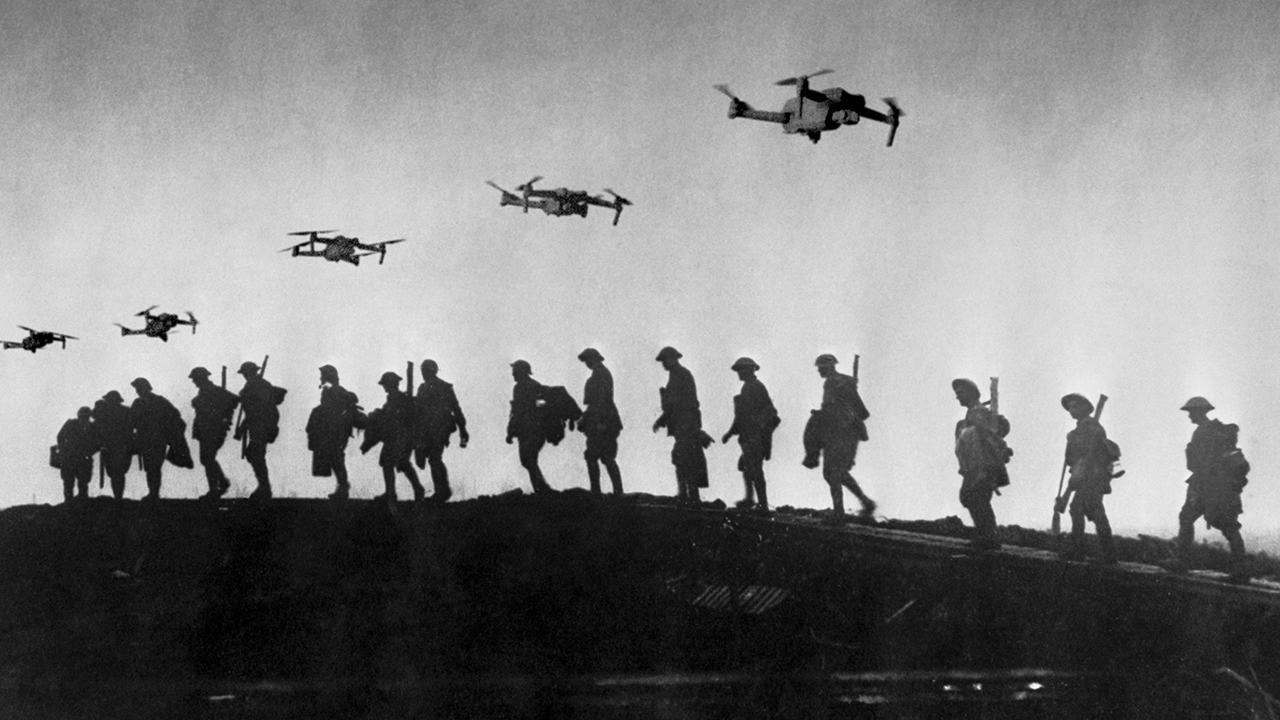
Advancements in artificial intelligence, low-cost autonomous defense systems, and real-time surveillance are fundamentally altering global military strategy. By eliminating operational surprise and inflating the material cost of invasion, modern technology acts as a powerful strategic deterrent, making state aggression economically and militarily unviable for sovereign nations.
GENEVA / WASHINGTON — International security agencies and defense policy institutes report in 2026 that rapid technological shifts are fundamentally reshaping global deterrence models. Military strategists and foreign policy analysts assert that smart tech is making war a dumber choice for sovereign states, as persistent sensor networks and algorithmic intelligence drastically reduce the element of strategic surprise while escalating the political and economic penalties of armed aggression.
The Shift in Strategic Deterrence and Battlefield Visibility
For decades, military planners relied on physical dominance, operational concealment, and massive artillery stockpiles to achieve swift strategic victories. However, the integration of distributed sensor networks, commercial satellite imagery, and predictive machine-learning models has virtually eliminated battlefield stealth.
Defense research highlights that real-time target recognition and low-cost autonomous interceptors allow smaller defending forces to neutralize high-cost conventional assets, such as heavy armor and naval vessels, at a fraction of their manufacturing cost. Consequently, military planners increasingly acknowledge that smart tech is making war a dumber choice, given that traditional offensive maneuvers now incur extreme material losses without guaranteeing territorial control.
Asymmetric Costs and Economic Disruption
Beyond direct battlefield dynamics, modern warfare carries immediate economic consequences enforced by automated intelligence. Cyber tracking platforms, international banking integration, and real-time supply chain telemetry allow global trade alliances to execute rapid, targeted sanctions within hours of a conflict's commencement.
The global market for AI-powered autonomous defense systems—projected to expand from $16.48 billion in 2026 toward $34 billion by 2030—reflects a defensive pivot toward early threat detection and automated air defense. When defensive systems cost significantly less to deploy than the offensive missiles or armored formations required to penetrate them, the financial math of military conquest breaks down. Industry analysts note that smart tech is making war a dumber choice precisely because offensive campaigns yield diminishing strategic returns against automated, resilient defense grids.
Algorithmic Escalation and International Safety Frameworks
While high-tech deterrence raises the barrier to invasion, it introduces new risks regarding crisis management and compressed decision cycles. The Stockholm International Peace Research Institute (SIPRI) and United Nations bodies have noted that algorithmic decision-support platforms reduce response times for military commanders, increasing the potential for miscalculation during high-stakes standoff situations.
International dialogues, including the UN Global Dialogue on AI Governance, are actively establishing international standards to maintain human oversight in command structures. Defense scholars emphasize that as autonomous systems become pervasive, maintaining diplomatic channels becomes essential to ensure that smart tech is making war a dumber choice rather than an accidental trigger for unplanned escalation.
Official Sources Section
Developments regarding artificial intelligence governance and autonomous defense capabilities are documented through public disclosures, international summits, and research publications:
United Nations International Telecommunication Union (ITU): Releases from the Annual AI Governance Report outline framework standards for autonomous systems and international security risks.
Stockholm International Peace Research Institute (SIPRI): Research papers evaluating the impact of military artificial intelligence on nuclear stability and crisis management.
International Committee of the Red Cross (ICRC): Official position papers regarding humanitarian law compliance and lethal autonomous weapons systems.
Quote Section
According to official research published by international security analysts:
"The integration of real-time data processing and autonomous defense capabilities alters the traditional calculus of warfare. When offensive assets can be tracked and intercepted with high precision at low cost, the strategic utility of conventional military aggression declines sharply."
Why It Matters
For citizens and taxpayers, the shift toward tech-driven deterrence influences how national defense budgets are allocated, prioritizing cybersecurity, software infrastructure, and counter-drone systems over heavy industrial weaponry. For global markets and supply chains, the reduced viability of conquest protects international trade routes and deters state-level disruptions, fostering greater stability for investors and commercial enterprises.
Key Facts at a Glance
Enhanced Transparency: Real-time satellite telemetry and AI data analytics eliminate tactical surprise, exposing force movements prior to engagement.
Asymmetric Defense: Low-cost autonomous drones and interceptors can routinely neutralize multi-million-dollar armor and naval assets.
Market Expansion: AI-powered defense system expenditure is rising rapidly, driven by demand for automated threat detection and counter-UAS platforms.
Governance Focus: Global bodies like the UN are establishing frameworks to enforce human oversight over automated military decision tools.
Frequently Asked Questions (FAQ)
How does smart technology act as a conflict deterrent?
Smart tech provides persistent surveillance and rapid automated targeting, making offensive operations highly visible, predictable, and costly for an invading force.
What role do autonomous drones play in modern military cost dynamics?
Small autonomous drones and C-UAS interceptors cost a fraction of traditional tanks, aircraft, or ships, allowing defenders to inflict massive financial and material losses on aggressors.
Does military AI increase the risk of accidental conflict?
Fast decision-making algorithms reduce reaction times for human commanders. International frameworks are being designed to mandate human oversight to prevent accidental escalation.
Source: Official research reports and policy briefs published by the United Nations ITU AI Governance Desk, strategic analysis papers from the Stockholm International Peace Research Institute, and military technology assessments by the International Committee of the Red Cross.