Samsung launched new AI appliances in India utilizing Google Gemini and SmartThings integrations. Vice President Ghufran Alam confirmed the product rollout targets rising consumer demand for automated domestic hardware. Artificial intelligence models now account for half of regional sales as management forecasts double-digit growth during the upcoming festive retail season.
Samsung
is folding Google Gemini into its Bespoke lineup as AI-enabled devices approach
half its regional appliance sales.
NEW DELHI -
Samsung rolled out a new lineup of AI-powered Bespoke appliances in India on
Tuesday, betting that Indian households are ready to pay a premium for smart,
connected home devices. Ghufran Alam, the company's Vice President of Digital
Appliances, confirmed the launch, describing a deeper push to weave Google
Gemini and Samsung's own SmartThings platform into everyday hardware like
refrigerators, washing machines, air conditioners to cater to its customers right
as the festive shopping season kicks into gear.
From
Standalone Devices to Connected Ecosystems
The shift
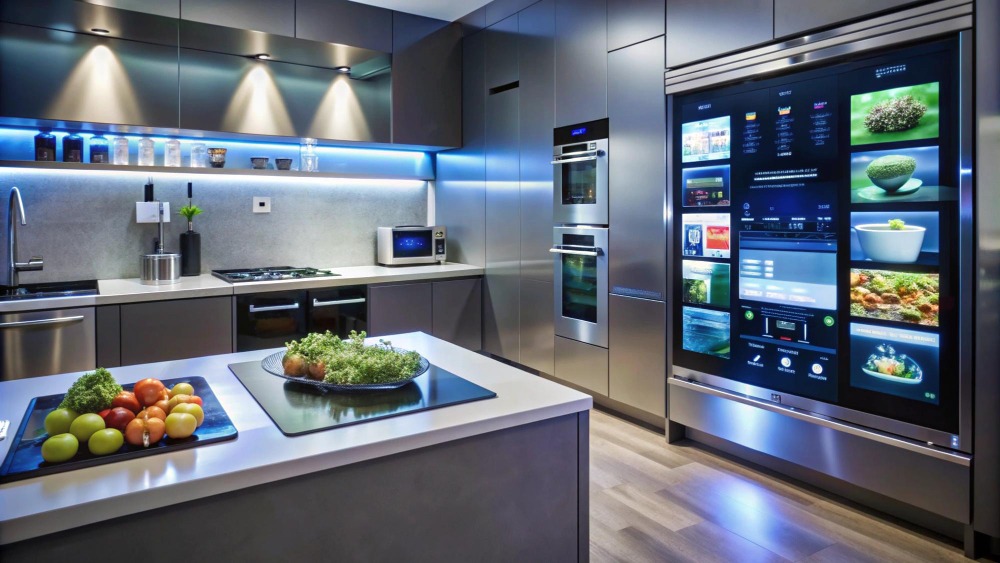
here isn't really about any single appliance. It's about connection. Samsung
has been steadily moving away from devices that just do one job in isolation,
and toward hardware that talks to each other through SmartThings. The new
Bespoke units come with Google Gemini and Vision AI built in, letting users
issue voice commands and have multiple appliances respond and adjust in sync.
Refrigerators
are a good example of how far this has come. Earlier models could recognize
around 35 different food items using onboard cameras. The newer ones push well
past that limit, tracking inventory with considerably sharper computer vision.
The numbers
suggest the shift is landing. Samsung says its active SmartThings user base in
India has grown 30 percent recently, and AI-enabled appliances now make up
close to 50% of the company's total regional appliance sales.
Betting
on Resilience Despite Inflation
Premium
hardware isn't cheap, and retail inflation hasn't gone away. Still, Samsung's
own disclosures suggest the luxury appliance segment is holding up better than
the broader consumer market. Management is projecting double-digit volume
growth for the latter half of the fiscal year which seems to be a fairly
bullish call given the macroeconomic headwinds facing discretionary spending
more broadly.
Alam pointed
to something specific driving the design choices: Indian climate conditions.
The lineup, he said, is built with local weather patterns in mind rather than
adapted from a generic global template. On the data side, Samsung says the
ecosystem runs on its Knox security framework, which is meant to keep household
data such as usage patterns, voice commands, appliance activity locked down as
more devices start talking to each other.
What
Officials Are Saying
According to
public corporate disclosures, Vice President Ghufran Alam stated: "At
Samsung, we are not just imagining the future of AI; with the integration of
Galaxy AI, Vision AI, and Bespoke AI through our SmartThings ecosystem, we are
bringing Future Living into Indian homes."
Key Facts
at a Glance
- Hardware rollout: New AI-enabled Bespoke
appliance lineup launched in India
- Software integration: Google Gemini, Vision AI and
SmartThings power voice and automated control
- Sales impact: AI-enabled units now drive
roughly 50% of regional appliance revenue
- User growth: Active SmartThings user base up
30%
- Outlook: Management projects
double-digit sales growth in H2 of the fiscal year
FAQ
Q: How
does Gemini actually work with these appliances?
A: It powers natural language processing, so users can give conversational
voice commands that get carried out across connected devices through the
SmartThings app.
Q: What
does SmartThings actually do?
A: It's Samsung's centralized hub for smart appliances allowing devices to sync
and automate routines, like adjusting the AC based on whether a room is
occupied.
Q: Why is
Samsung pushing AI hardware so heavily in India specifically?
A: Premium AI-enabled appliances carry higher margins, and the segment already
accounts for half of Samsung's regional appliance sales. The company sees this
optimistic trend to continue as middle-class disposable income rises.
SOURCE: Samsung Corporate Newsroom / SmartThings / The Economic Times