The Jammu and Kashmir government has approved ₹10 crore for the restoration of the historic Rattan Garh Fort in Bhaderwah, Doda district. Announced by Chief Minister Omar Abdullah, the project aims to preserve the architectural landmark, enhance visitor infrastructure, and expand the Chenab Valley's heritage tourism economy.
Aiming to protect regional heritage and expand local tourism circuits, the administration greenlights a comprehensive multi-crore restoration project in Bhaderwah.
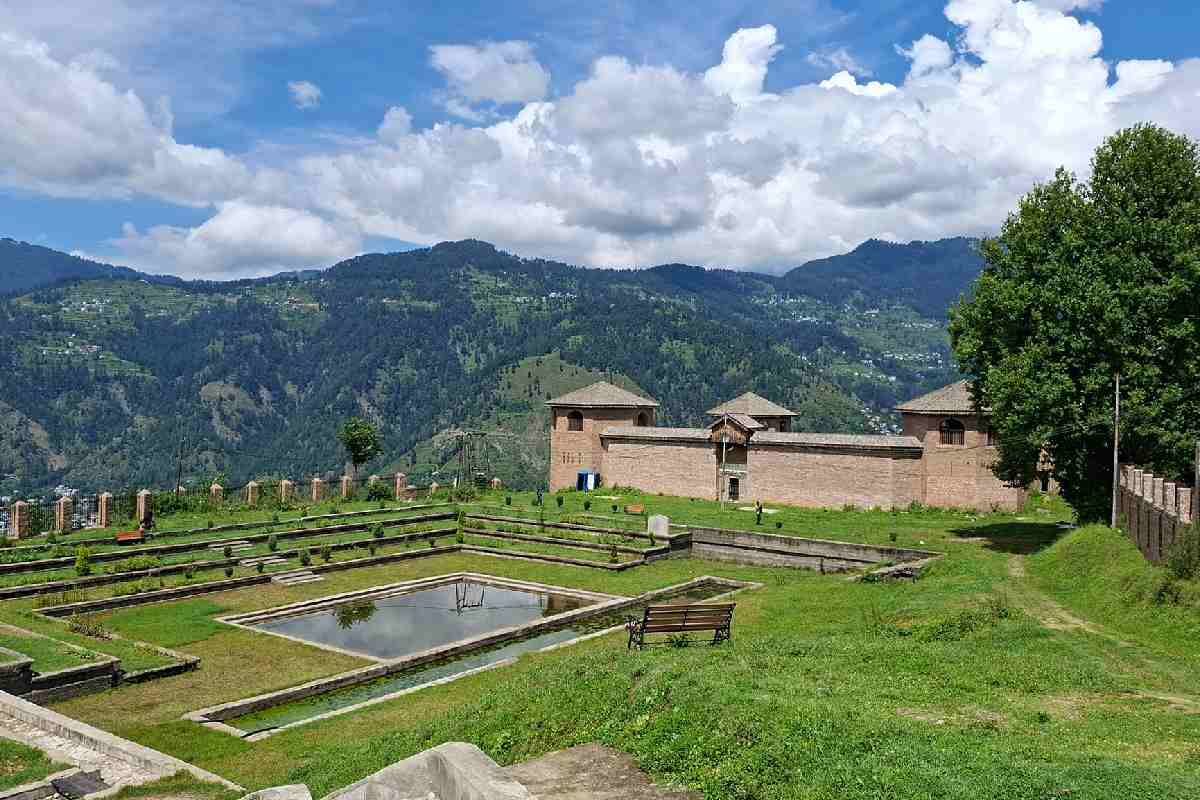
In a significant move to safeguard architectural landmarks and stimulate regional economic activity, the Jammu and Kashmir Government has officially approved ₹10 crore for the comprehensive repair and restoration of the historic Rattan Garh Fort in Bhaderwah, Doda district. Announced by Chief Minister Omar Abdullah on Sunday, August 9, 2026, the vital funding package is designed to revitalize the centuries-old fortification, improve visitor access, and establish the Chenab Valley as a premier destination for cultural heritage tourism.
Architectural Conservation and Project Scope
Constructed originally in 1733 by Raja Methni Pal and later serving as a historic holding site during freedom struggles, the Rattan Garh Fort—often referred to locally as the Bhaderwah Fort—features a distinctive layout comprising upper tower blocks and octagonal ramparts. Over the decades, environmental wear and changing administrative use have necessitated structural interventions.
Key facets of the approved restoration plan outlined by state authorities include:
Structural Rehabilitation: Specialized masonry work to repair weathered ramparts, protect ancient stone facades, and stabilize historical watchtowers.
Visitor Infrastructure Upgrades: Developing pathways, illumination, and interpretive signage to ensure safe and educational access for incoming travelers.
Tourism Integration: Linking the fort directly into the broader Chenab Valley tourism circuit to encourage extended visitor stays and support local commerce.
Impact on Local Communities, Travelers, and Regional Economy
The infusion of ₹10 crore into heritage conservation carries substantial practical implications for local residents, small business owners, and cultural tourists. By transforming the historic site into an upgraded tourist attraction, the initiative is projected to drive higher visitor footfall, spurring employment in local hospitality, transport, and guided services. For travelers, the restoration opens up a well-maintained window into the rich historical legacy of the region, blending scenic mountain landscapes with authentic architectural heritage.
Why It Matters
Investing in the restoration of historical monuments preserves indigenous architectural identity while creating sustainable economic drivers for rural and semi-urban regions. Heritage tourism projects successfully bridge cultural preservation with modern economic development.
Key Facts at a Glance
Project Location: Rattan Garh Fort (Bhaderwah Fort), Bhaderwah, Doda District.
Approved Financial Outlay: ₹10 crore for repair and structural renovation.
Key Objective: Conserving architectural heritage and boosting the Chenab Valley tourism circuit.
Announced By: Chief Minister Omar Abdullah.
FAQ Section
What is the primary purpose of the ₹10 crore allocation for Rattan Garh Fort?
The funds are allocated to repair, restore, and structurally safeguard the historic fort while upgrading visitor facilities to promote heritage tourism in Bhaderwah.
Who announced the approval of the restoration project?
The project approval was announced by Jammu and Kashmir Chief Minister Omar Abdullah.
Where is the Rattan Garh Fort located?
The fort is situated on a flat-topped hillock overlooking the scenic Bhaderwah Valley in the Doda district of Jammu and Kashmir.
Where can stakeholders track further updates regarding the fort's restoration timeline?
Official progress reports and administrative tenders can be monitored through the Official Jammu and Kashmir Tourism Department Portal.
Source: Government of Jammu and Kashmir, Press Information Bureau (PIB), Jammu and Kashmir Tourism Department, Kashmir Life