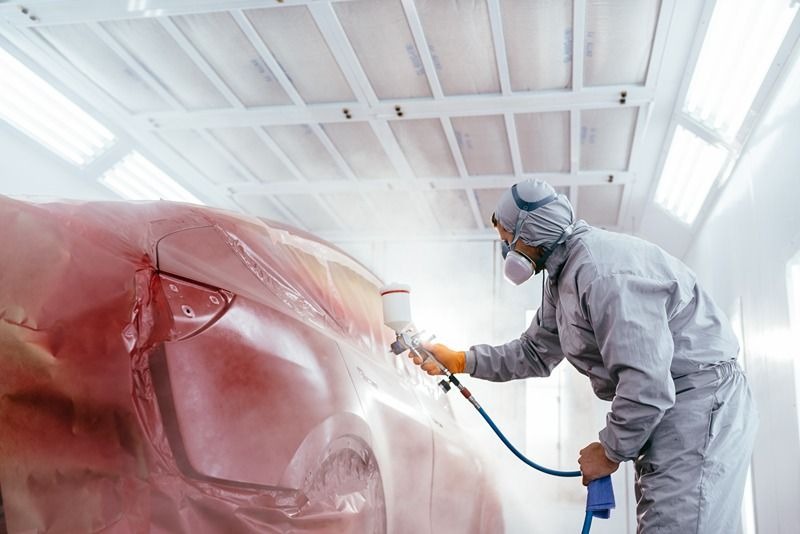
Advanced steel coatings are transforming vehicle durability to counter the unique corrosion challenges posed by electric vehicles and ethanol fuels. By deploying sophisticated zinc-aluminum-magnesium alloy treatments and molecular-level barriers, manufacturers are safeguarding structural integrity, extending operational lifespans, and ensuring safety across next-generation automotive platforms.
NEW DELHI — As the global automotive landscape undergoes a profound transformation toward electrification and green alternative fuels, the science of vehicle manufacturing is confronting unique material preservation challenges. Industry metallurgists, specialized coating developers, and steel manufacturers are deploying advanced zinc-aluminum-magnesium and multi-layered molecular steel coatings to combat accelerated corrosion risks. Unveiled through recent technical disclosures and industry roundtables in July 2026, these high-performance surface treatments are redefining structural durability, ensuring that modern cars and commercial fleets withstand aggressive chemical exposures and high-voltage operational demands.
The Corrosion Challenge in the EV and Ethanol Era
According to material scientists and industrial engineering reports, traditional rust-prevention methods are no longer sufficient given the changing chemical and structural realities of modern transportation. Electric vehicles (EVs) introduce distinct corrosion vulnerabilities due to sensitive battery enclosures, high-voltage electrical architecture, and concentrated micro-climates that trap moisture and road de-icing salts.
Simultaneously, the rapid scaling of high-blend ethanol and alternative biofuels introduces aggressive chemical environments within fuel systems and powertrain components. Advanced steel coatings utilize nano-technology and reactive ion-intelligent formulations to establish molecular-level barriers, preventing premature degradation without adding excessive weight or compromising the structural integrity of the chassis.
Technological Innovations in Surface Engineering
The latest iteration of protective metal finishing moves far beyond standard galvanization. Industry leaders in steel manufacturing, including prominent material developers such as ArcelorMittal Nippon Steel (AM/NS) India, have emphasized the deployment of complex metallic coatings that deliver cathodic protection even along cut edges and stressed joints.
Technical evaluations indicate that these advanced coatings incorporate specific metallic alloys that react with atmospheric elements to form a stable, highly adherent passivation layer. This innovation is critical for safeguarding structural members that must support heavy battery packs while enduring constant mechanical stress, humidity, and chemical exposure from alternative fuel combustion byproducts.
Official Sources Section
Quote Section
"According to official material science experts and industrial researchers, the integration of advanced zinc-aluminum-magnesium coatings is vital for mitigating aggressive corrosion triggers unique to high-voltage electric platforms and alternative biofuel systems."
Why It Matters
For vehicle owners, commercial transport operators, and automotive investors, enhanced steel durability translates directly into extended vehicle lifespans, reduced maintenance overhead, and higher resale values. As clean mobility mandates drive the adoption of EVs and sustainable fuels, robust anti-corrosion solutions safeguard structural safety and prevent costly systemic failures across both passenger and commercial segments.
Key Facts at a Glance
Core Innovation: Advanced multi-layered zinc-aluminum-magnesium steel coatings.
Primary Drivers: Accelerated corrosion risks from high-voltage EV battery environments and aggressive chemical properties of ethanol-blended fuels.
Protective Mechanism: Molecular-level passivation layers offering superior edge and structural protection.
Industry Impact: Extends vehicle lifespan, reduces maintenance costs, and ensures structural safety.
FAQ Section
Why do electric vehicles require advanced steel coatings?
Electric vehicles feature sensitive high-voltage electrical components, battery enclosures, and mixed-metal interfaces that are highly susceptible to moisture and salt-induced electrochemical corrosion.
How do ethanol-blended fuels impact vehicle materials?
High-blend ethanol and alternative biofuels can introduce aggressive chemical environments that accelerate degradation in untreated fuel systems and internal powertrain components.
What makes modern steel coatings different from traditional galvanization?
Next-generation coatings use advanced alloy combinations—such as zinc, aluminum, and magnesium—infused with nanotechnology to provide self-healing properties and molecular-level barrier protection.
Where can industry professionals review official technical standards for automotive coatings?
Detailed material specifications and engineering guidelines are accessible through bodies like SAE International and major steel producer research portals such as ArcelorMittal Nippon Steel (AM/NS) India.
Source: ArcelorMittal Nippon Steel (AM/NS) India, Society of Automotive Engineers (SAE International), Ministry of Heavy Industries, Government of India