




Loading market data...
ADVERTISEMENT

Latest Top News
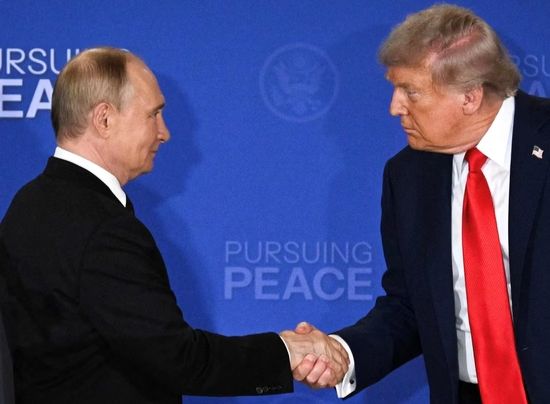
Trump Rejects Putin Proposal To Move Iran’s Enriched Uranium To Russia
Russian President Vladimir Putin proposed transferring Iran’s enriched uranium to Russia to defuse tensions and end the U.S.-Israel conflict with Tehran. President Donald Trump rejected the plan during a phone call this week, citing strategic concerns. The uranium stockpile remains a critical issue in the broader Middle East nuclear standoff.
Stay Ahead – Explore Now! Duck in a Jersey Steals the Show as World Cup Fever Sweeps Mexico
ADVERTISEMENT

Latest Updates

PMC Imposes Alternate-Day Water Supply and Bans Co...
16 Jun 2026, 10:11 AM
First Commercial Flight Lands at Jewar as Noida Ai...
16 Jun 2026, 10:03 AM
Navitas Solar Set to Invest ₹15 Billion in Gujarat...
16 Jun 2026, 10:07 AM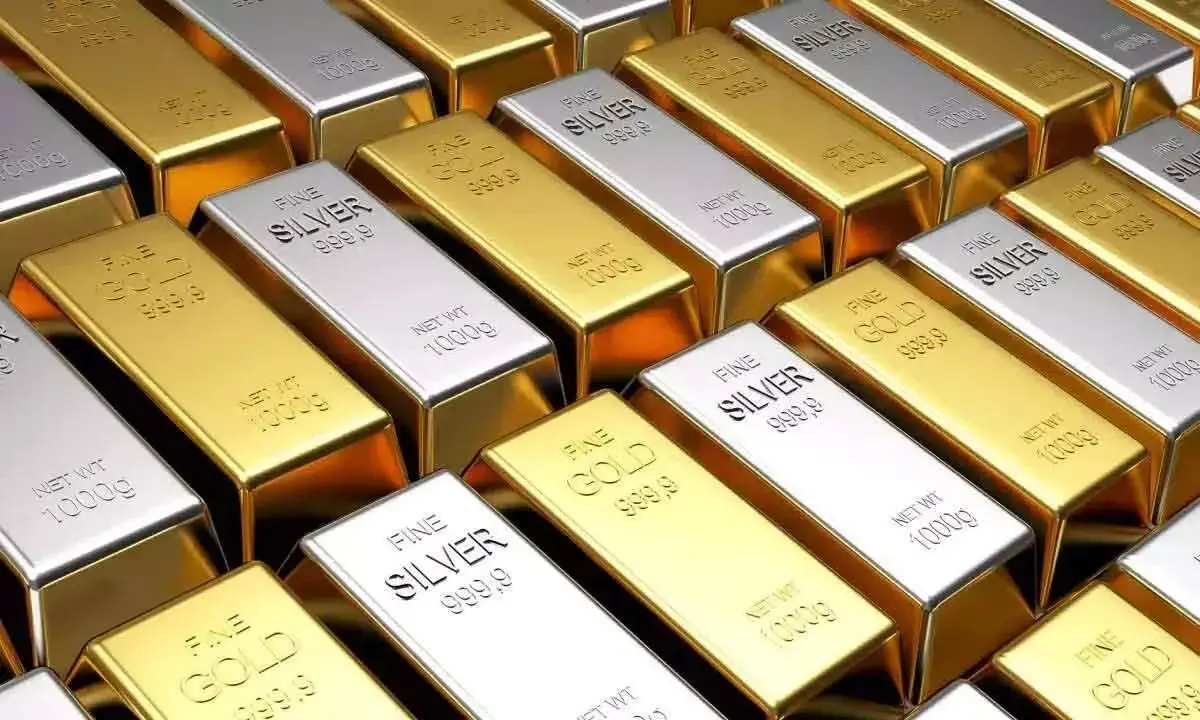
MCX Gold Rate Steady Above ₹1.53 Lakh While Silver...
16 Jun 2026, 09:58 AM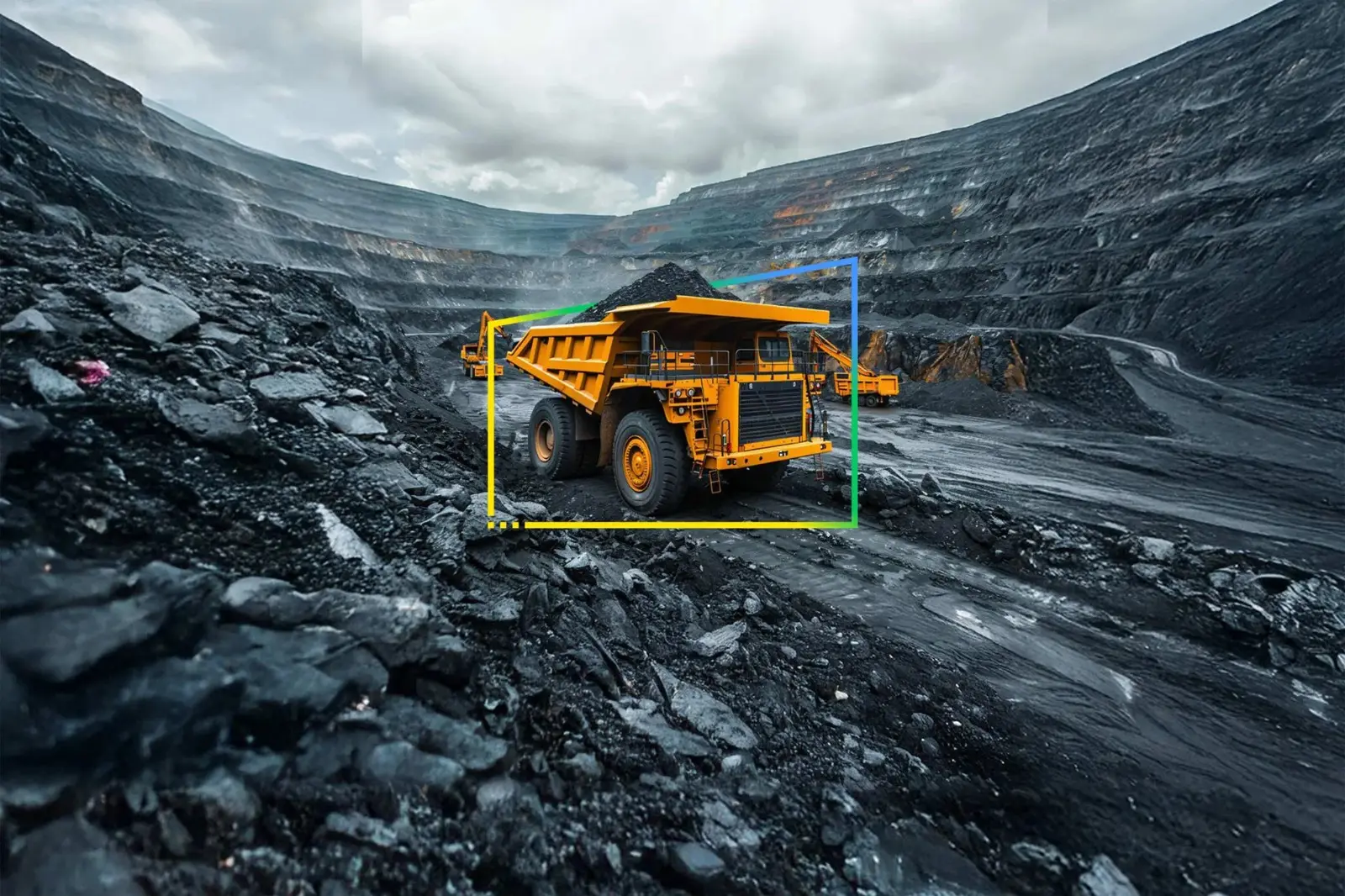
India’s Coking Coal Demand Forecast to Reach 116 M...
16 Jun 2026, 09:55 AMADVERTISEMENT

Top Stories
PMC Imposes Alternate-Day Water Supply and Bans Co...
16 Jun 2026, 10:11 AM
First Commercial Flight Lands at Jewar as Noida Ai...
16 Jun 2026, 10:03 AM
Navitas Solar Set to Invest ₹15 Billion in Gujarat...
16 Jun 2026, 10:07 AM