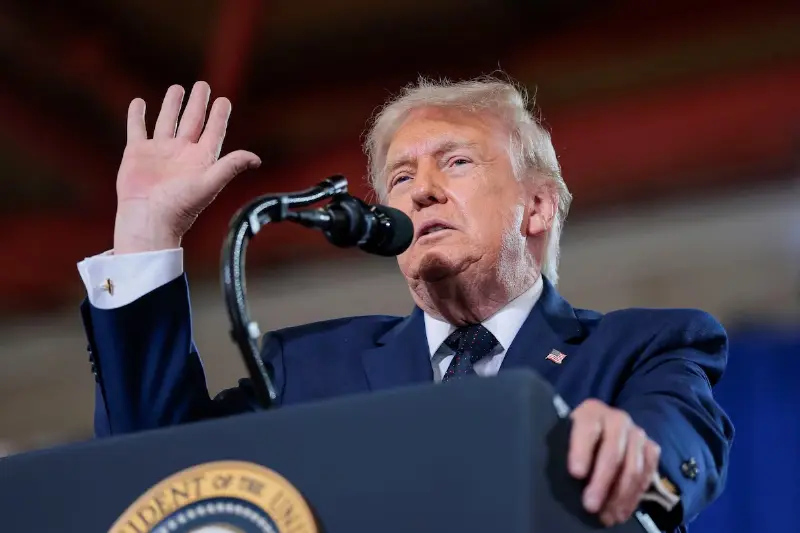
US President Donald Trump has said a deal with Iran to end the war, including reopening the Strait of Hormuz, is “largely negotiated,” framing it as a memorandum of understanding that now awaits final touches. The prospective agreement follows weeks of Pakistan-led mediation and high-level calls with Israel and key Gulf and regional leaders. It aims to halt hostilities, restart oil flows and set up time-bound talks on Iran’s nuclear programme and sanctions relief.
Trump announced on social media that “final aspects and details” of the deal are being discussed and will be unveiled “shortly,” without giving a timeline. He said he had spoken with leaders from Saudi Arabia, the UAE, Qatar, Pakistan, Turkey, Egypt, Jordan and Bahrain, as well as separately with Israel, suggesting a broad regional alignment behind the framework. Iran, meanwhile, has publicly described the emerging text as a “framework agreement,” while state-linked outlets have pushed back on some of Trump’s more optimistic framing.
What The Draft Deal Reportedly Includes
Regional officials say the outline would see an official declaration ending the war, the reopening of the Strait of Hormuz to global shipping, and the lifting of the US blockade on Iranian ports. Within roughly 30–60 days, negotiators would then hold focused talks on Iran’s nuclear programme and sanctions, with Tehran insisting that ending hostilities and securing sanctions relief remain core priorities. Nuclear issues, Iranian officials stress, are not part of the immediate ceasefire text.
Mixed Signals From Tehran
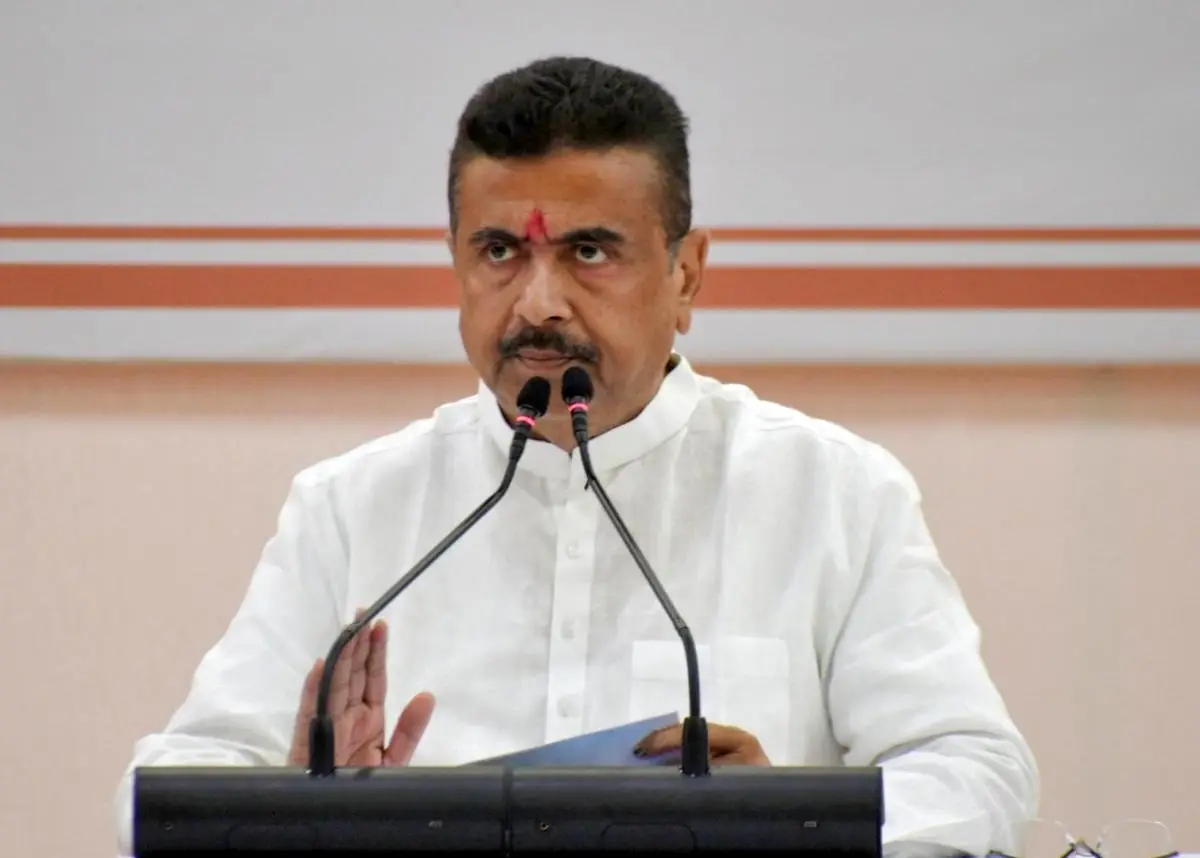
Iranian state media and officials confirm that the strait and sanctions are on the table, but have questioned Trump’s portrayal that an agreement is almost done. Outlets close to the Revolutionary Guard insist that control and management of the Strait of Hormuz will remain with Iran, and have called some US claims “inconsistent with reality,” highlighting that key points on assets, compensation and sequencing of steps are still contested.
Why Hormuz Matters For Global Markets
The Strait of Hormuz is one of the world’s most critical energy chokepoints, and its partial closure during the conflict has disrupted oil flows, pushed up freight and insurance costs, and rattled global markets. Even a framework that reopens the route and pauses attacks would ease immediate supply fears, though traders will watch closely to see if any deal is durable and verifiable on the ground.
Peace Framework Watchpoints
- Trump says a peace deal with Iran, including opening the Strait of Hormuz, is “largely negotiated”
- Draft framework would end hostilities, reopen the strait and lift the US port blockade, with 30–60 days of nuclear talks to follow
- Iran calls the text a “framework agreement” but disputes claims that a near-final deal is in place
- State-linked Iranian media insist control of the strait will remain with Tehran
- Oil markets and shippers are focused on whether any agreement actually restores safe, reliable passage through Hormuz
Sources: International and US media reports on Trump’s statement, Pakistan-led mediation details, and Iranian and regional official commentary on the emerging Iran–US framework and Strait of Hormuz reopening