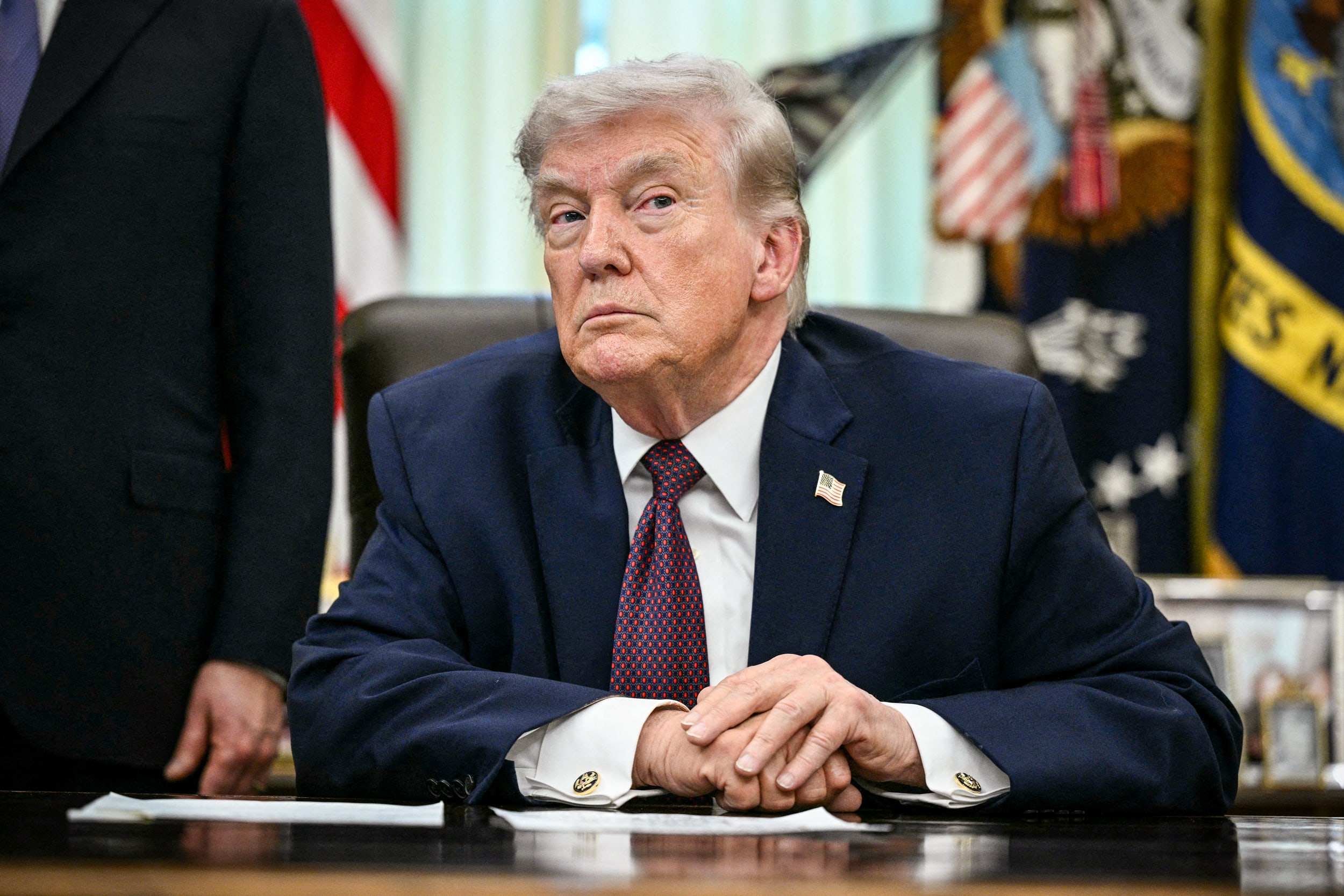
U.S. President Donald Trump has issued a stark warning to Israeli Prime Minister Benjamin Netanyahu, stating Israel could be left to face Iran alone if it continues independent military escalations. The warning successfully forced a bilateral halt to hostilities on June 8, as Washington seeks to preserve regional peace talks.
WASHINGTON — U.S. President Donald Trump has explicitly warned Israeli Prime Minister Benjamin Netanyahu that Israel could find itself isolated in its military confrontation with Iran if it continues independent retaliatory strikes. The unprecedented diplomatic warning comes amid high-level White House efforts to safeguard a fragile regional truce and finalize an extensive bilateral accord with Tehran, following months of direct military conflict.
The strategic friction peaked on Monday after a rapid, high-stakes exchange of airstrikes and ballistic missiles between Israel and Iran threatened to ignite a full-scale regional war.
Presidential Directives and Last-Minute Military Notices
According to detailed media disclosures verified by administration officials, President Trump issued the strong caution during a tense phone exchange with Prime Minister Netanyahu. The communication followed a series of Israeli strikes targeting military and infrastructure installations inside Iran, which Israel initiated with only minimal advance notification to the United States.
"I told Bibi, you'd better be careful what you do, because you could be left alone against Iran very soon," President Trump stated during a subsequent televised interview with Israel's Channel 12 Network.
White House aides confirmed that the administration was notified of the initial Israeli retaliatory strikes only after local missiles were already mid-flight toward their targets. Following intense diplomatic pressure from Washington and coordinated mediation from five regional nations—including Egypt, Saudi Arabia, Turkey, Pakistan, and Qatar—both Israel and Iran announced an official halt to offensive operations on June 8, 2026.
Diverging Strategic Goals Threaten Historic Alliance
The recent diplomatic strain marks a visible fracture in what began as a highly coordinated defense partnership. The broader conflict commenced on February 28, 2026, when the United States and Israel launched massive, synchronized operations targeting Iranian assets, passing its 100th day this week.
| Milestone / Conflict Timeline (2026) | Primary Strategic Event / Operational Outcome | Global Economic Impact Metrics |
| February 28 | U.S. and Israel launch joint strikes against Iran | Global crude prices surge past baseline averages |
| April Ceasefire | Initial pause enacted; permanent peace talks commence | Brief stability returns to maritime transport lanes |
| Early June | Israel strikes Beirut targets; Iran fires ballistic missiles | Shipping insurance premiums spike across Asia-Europe |
| June 8 | Trump issues warning; bilateral cessation of fire achieved | Energy markets stabilize on anticipated truce |
The current geopolitical friction stems from fundamentally divergent domestic priorities. Diplomatic sources note that while the U.S. administration requires a conclusive end to Middle Eastern hostilities to stabilize energy markets and deliver a major foreign policy victory, the Israeli leadership views continuous security operations as essential to neutralizing immediate cross-border threats from Iranian-backed groups like Hezbollah in southern Lebanon.
Commercial and Energy Market Consequences
The volatile military situation continues to exert substantial influence on global corporate operations, consumer energy pricing, and international trade routes. Since the start of the conflict, Iran has maintained stringent maritime controls over the Strait of Hormuz, a critical bottleneck for international oil and natural gas shipments.
The persistent threat of escalation has caused a prolonged rise in global fuel prices, directly impacting manufacturing costs, airline logistics, and retail consumer expenditures worldwide. Financial analysts note that while the newly brokered June 8 pause has temporarily relieved pressure on energy futures, long-term market stability remains entirely dependent on whether Washington can successfully convert the current truce into a legally binding, long-term international agreement.
Official Sources Section
The direct diplomatic statements, operational tallies, and geopolitical developments detailed in this report are sourced from official broadcast interviews on Israel's Channel 12 News, regulatory briefings provided by the White House Press Office, and diplomatic statements released through the Iranian Foreign Ministry.
Supplemental operational data and regional mediation details were compiled from official disclosures verified by The Broadway League security analysts and the state media agencies of mediating regional governments.
Executive Commentary
"According to officials familiar with the discussions, five prominent regional countries involved in mediation efforts between the United States and Iran explicitly requested that Washington apply direct pressure on the Israeli cabinet to prevent a broader escalation that would permanently disrupt ongoing peace negotiations."
Why It Matters
The explicit warning issued by the White House marks a fundamental shift in the modern U.S.-Israel security alliance. By making future American defense support conditional on diplomatic compliance, the administration is reshaping how secondary states approach regional deterrence.
For international businesses, global consumers, and financial investors, this firm diplomatic stance decreases the likelihood of a catastrophic energy trade shutdown in the Persian Gulf, providing a clearer path toward global economic stabilization.
Key Facts at a Glance
Direct Presidential Warning: President Trump cautioned Prime Minister Netanyahu that Israel faces total military isolation against Iran if it ignores U.S. de-escalation directives.
Late Operational Notice: The White House confirmed it received notice of Israel's recent retaliatory strikes only after local missiles were already in the air.
Bilateral Truce Enacted: Both Israel and Iran formally halted active military operations on June 8 following intense, multi-nation diplomatic interventions.
100 Days of Conflict: The ongoing crisis originated from coordinated military operations initiated by the United States and Israel on February 28, 2026.
Economic Bottleneck: Iran maintains active maritime control over the critical Strait of Hormuz, leaving global energy prices highly sensitive to any further outbreaks of violence.
Frequently Asked Questions (FAQ)
What exactly did President Trump say to Prime Minister Netanyahu regarding Iran?
President Trump explicitly stated to Netanyahu: "You better be careful, or you will be on your own very soon," emphasizing that the U.S. could withhold military backing if Israel unilaterally escalates the conflict.
When did the current war between the U.S., Israel, and Iran begin?
The active conflict officially began on February 28, 2026, when the United States and Israel carried out large-scale, coordinated military strikes against targets inside Iran.
Did Israel call off any planned military actions after the U.S. warning?
Yes. According to regional intelligence reports, Prime Minister Netanyahu canceled a planned, large-scale air strike against Iranian territory after receiving direct pressure from the Trump administration.
Is the conflict between Israel and Hezbollah in Lebanon included in this ceasefire?
No. Prime Minister Netanyahu explicitly confirmed that Israeli defense operations targeting Iranian-backed Hezbollah positions in southern Lebanon will continue independently of the truce with Tehran.
How are regional countries involved in resolving the conflict?
Five regional nations—Egypt, Saudi Arabia, Turkey, Pakistan, and Qatar—are actively working with the United States to mediate a permanent peace agreement between Washington and Tehran.
Source: The White House Press Office, Ministry of Foreign Affairs of the Islamic Republic of Iran, Israel Channel 12 Archives