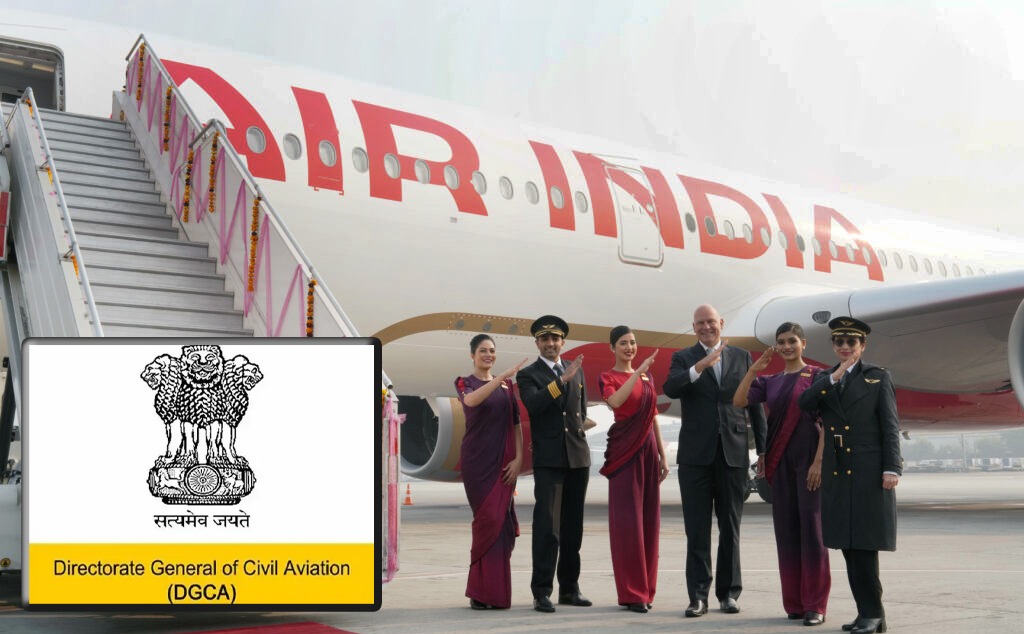
India’s flagship carrier, Air India, is under intense scrutiny following a damning audit by the Directorate General of Civil Aviation (DGCA), which uncovered 51 safety lapses across its operations. The findings, released today, come just weeks after the tragic crash of flight AI171 in Ahmed...
India’s flagship carrier, Air India, is under intense scrutiny following a damning audit by the Directorate General of Civil Aviation (DGCA), which uncovered 51 safety lapses across its operations. The findings, released today, come just weeks after the tragic crash of flight AI171 in Ahmedabad that claimed 260 lives, raising urgent questions about the airline’s safety culture and operational oversight.
Key Findings from the DGCA Audit
- Training Gaps for Boeing Pilots
- Recurrent training deficiencies were identified among Boeing 787 and 777 pilots.
- Several pilots failed to complete mandatory monitoring duties before periodic evaluations.
- Simulators used for training at Category C airports were found to be unapproved or below qualification standards.
- Operational Breaches and Crew Fatigue
- A Milan–Delhi flight operated by a Boeing 787 exceeded flight-duty limits by 2 hours and 18 minutes.
- Four international flights flew with fewer than the required number of cabin crew, violating safety norms.
- The rostering system failed to alert when minimum crew thresholds weren’t met.
- Aircraft Maintenance and Emergency Equipment
- Planes were operated without proper emergency equipment checks.
- Engine parts were not replaced on schedule, and some maintenance records were allegedly forged.
- One aircraft was grounded after DGCA found overdue emergency slide inspections.
- Leadership and Accountability Gaps
- No chief pilots were assigned for the Airbus A320 and A350 fleets, leading to poor oversight.
- Training documentation showed inconsistencies, and door/equipment checks lacked procedural compliance.
- Notices were issued to senior executives, including the Director of Flight Operations and Director of Training, citing 29 systemic lapses.
- Route Assessment and Simulator Standards
- Air India failed to conduct proper route assessments for challenging airports.
- Simulators used for training lacked alignment with real-world aircraft configurations, compromising pilot preparedness.
Air India’s Response and Regulatory Action
- Air India stated it was fully transparent during the audit and will submit a detailed corrective action plan within the DGCA’s stipulated deadlines.
- Seven “Level I” breaches must be resolved by July 30, while 44 other non-compliances are due by August 23.
- DGCA has initiated enforcement actions, which may include fines, suspensions, or license revocations for responsible personnel.
Context: A Sector Under Pressure
- The audit was not directly linked to the June crash, but its timing has intensified public and regulatory scrutiny.
- The airline, acquired by Tata Group in 2022, has expanded aggressively but continues to face passenger complaints about poor cabin conditions and service quality.
- Last year, Air India was fined $127,000 for insufficient oxygen supply on international flights.
Looking Ahead
The DGCA’s findings have triggered a broader conversation about aviation safety in India, especially as the country’s air traffic surges. With 56 regulatory audits planned this year and heightened public awareness, Air India’s next steps will be closely watched—not just by regulators, but by every passenger who boards its flights.
Sources: Hindustan Times, Financial Express, Reuters via Devdiscourse, Aviation Nexus